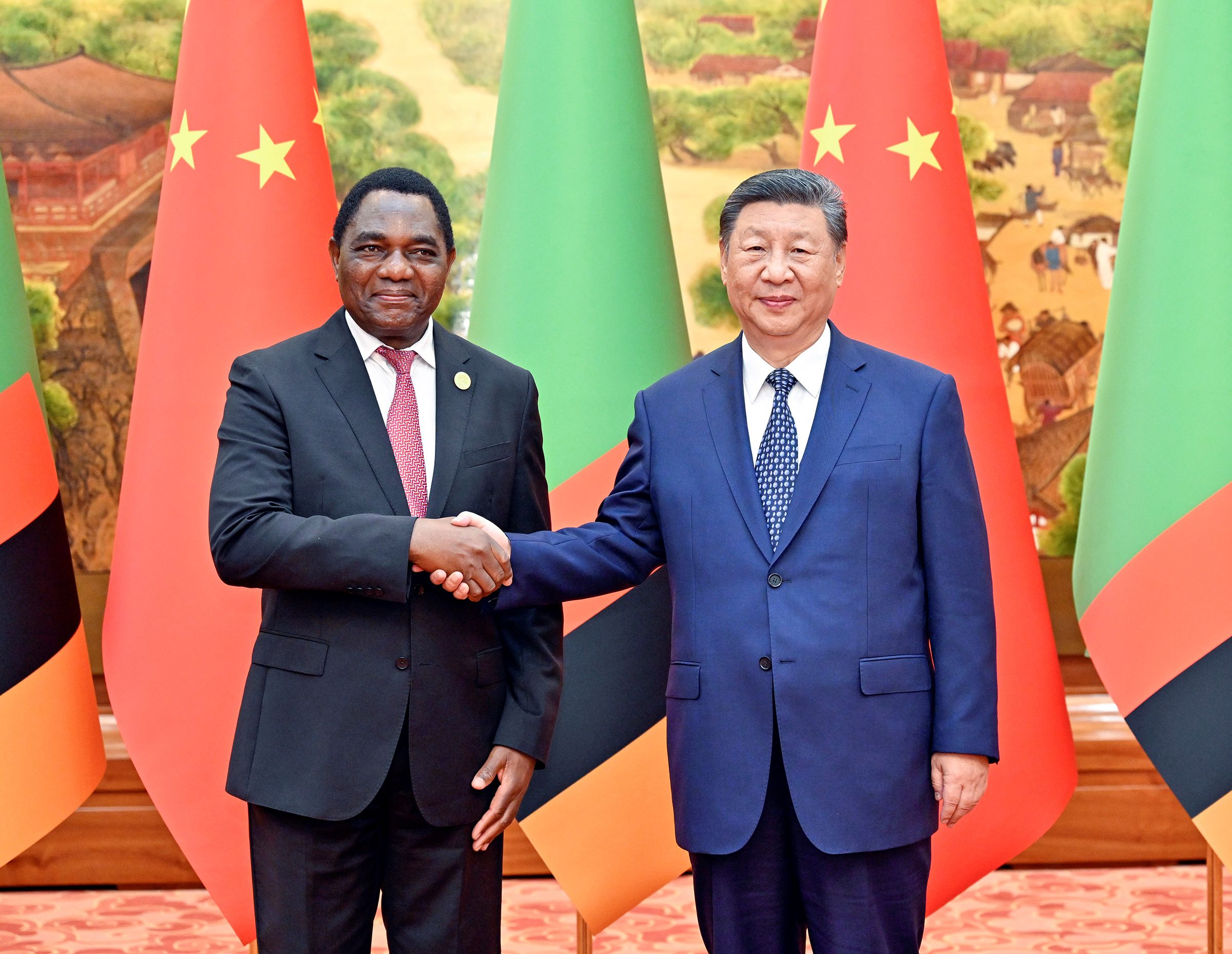
The news regarding the RightsCon 2026 cancellation has sent shockwaves through the global human rights community. Diplomatic pressure from Beijing has effectively silenced one of the most significant gatherings for digital freedom on the planet. This sudden postponement marks a profound shift in how nation-states leverage geopolitical influence to suppress international discourse.
What was intended to be a massive assembly of thousands of activists, technologists, and policymakers in Lusaka, Zambia, has instead become a case study in state-sponsored interference. The event's disruption suggests that the era of hosting unrestricted global debates is under threat.
The Mechanics of Interference in Zambia
According to Access Now, the nonprofit organization that organizes RightsCon, the disruption was not a result of local logistical failures. Instead, it was driven by targeted pressure from the People's Republic of China (PRC). Reports indicate that Chinese diplomats pressured the Zambian government to exclude participants from Taiwan to ensure the event could proceed as planned.
This ultimatum presented a clear choice for Zambian officials: permit the presence of Taiwanese civil society members or face diplomatic repercussions. The timing of the announcement was particularly abrupt, occurring only days before the conference was set to begin.
While the Zambian government cited "pending administrative and security clearances" as the official reason for the postponement, internal communications suggest a more calculated motive. Sources close to the organizers claim that Beijing sought to moderate specific topics, including:
-
Digital authoritarianism
-
Chinese-led disinformation campaigns
-
The global spread of surveillance technologies
This interference has already created a ripple effect across other international human rights gatherings in the region. For example, the UNESCO World Press Freedom Day conference, which was scheduled to coincide with RightsCon, was also forced to move its operations to Paris or online.
Economic Leverage and the RightsCon 2026 Cancellation
The ability of the Chinese government to influence Zambian policy is rooted in deep-seated economic ties. As China stands as Zambia's largest creditor, its influence over local infrastructure and development is unparalleled. This financial entanglement provides a potent toolkit for soft power coercion.
Evidence of this leverage is visible in recent, high-stakes transactions that occurred around the time of the RightsCon 2026 cancellation:
- A $1.5 billion deal was signed between the Zambia Development Agency and a Chinese state-owned construction firm just one week before the cancellation, aimed at expanding national power capacity.
- The Mulungushi International Conference Center, the intended venue for RightsCon, underwent a massive expansion in 2022, funded specifically by a $30 million grant from the Chinese government.
China remains a primary architect of Zambia's current infrastructure landscape. This makes any diplomatic move against Beijing a potential risk to critical national development projects.
A Shifting Landscape for Global Discourse
The disruption of such a massive event creates a "chilling effect" on any host nation attempting to facilitate controversial discussions regarding cyberattacks or state-sponsored censorship. When the venue itself is built with Chinese capital, the cost of hosting a debate on Chinese digital influence becomes prohibitively high for local administrations.
This represents more than just a scheduling conflict; it signals the end of an era where international forums could operate with relative immunity from powerful state actors. For years, organizers have conducted risk assessments to protect against surveillance and reprisal. However, the scale of recent interference suggests that geopolitical weight is now being used to bypass traditional diplomatic channels entirely.
As the boundaries of digital sovereignty continue to blur, the precedent set in Zambia serves as a warning. The era of "safe" hosting for discussions on state surveillance and disinformation may be closing. While organizers like Access Now have expressed a commitment to transformation rather than retreat, the fundamental challenge remains: maintaining a global platform for truth when the very ground upon which these conferences are built is under the influence of authoritarian interests.