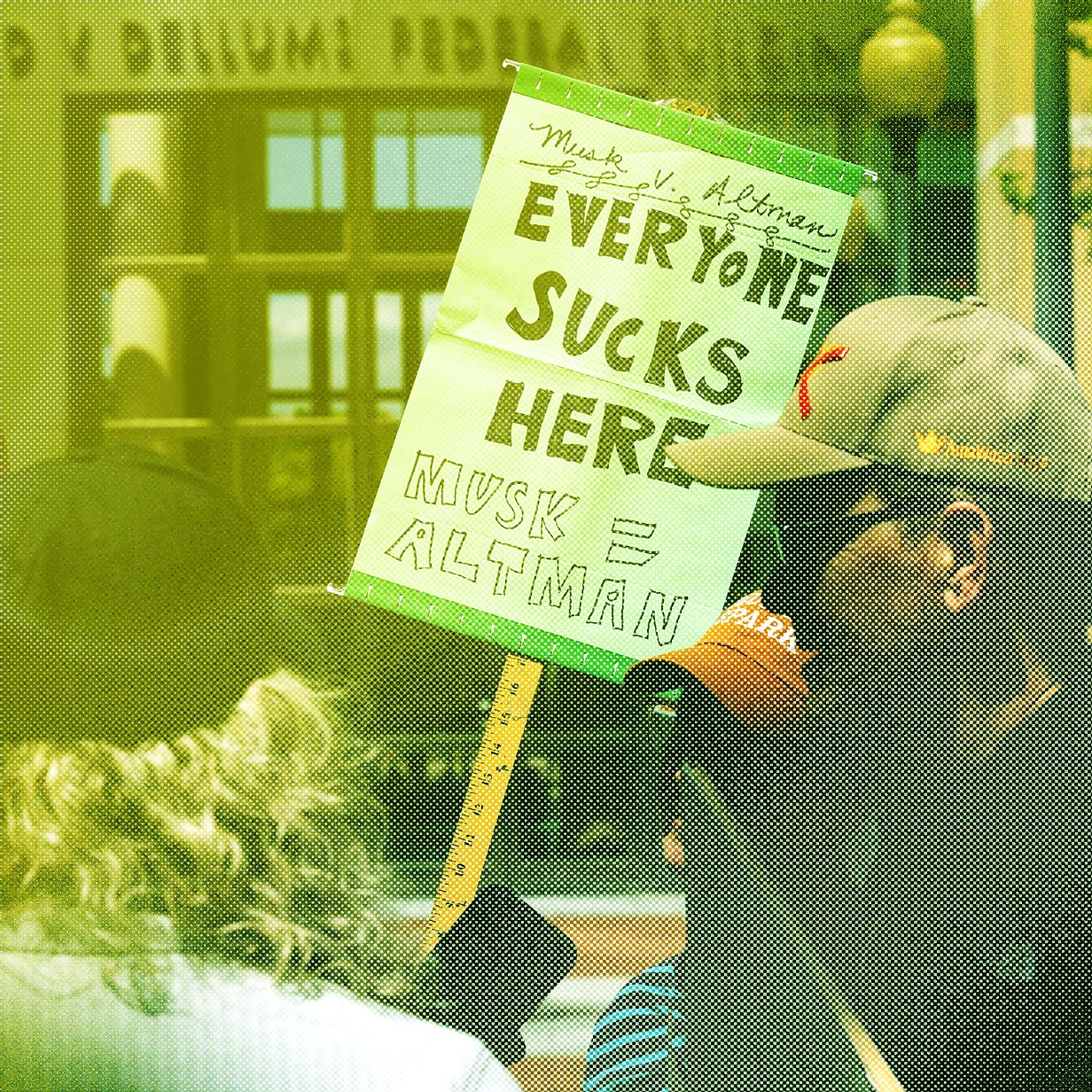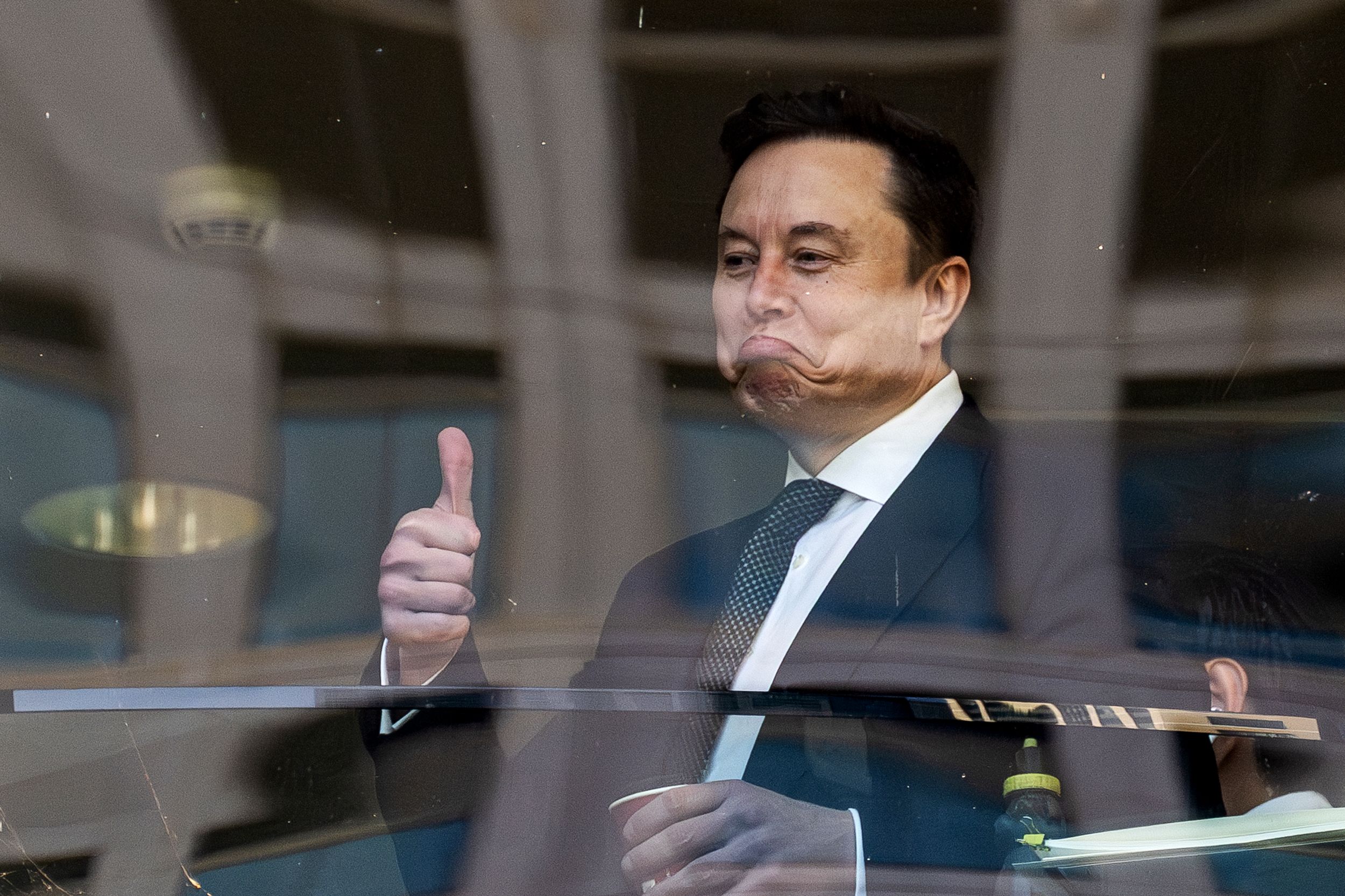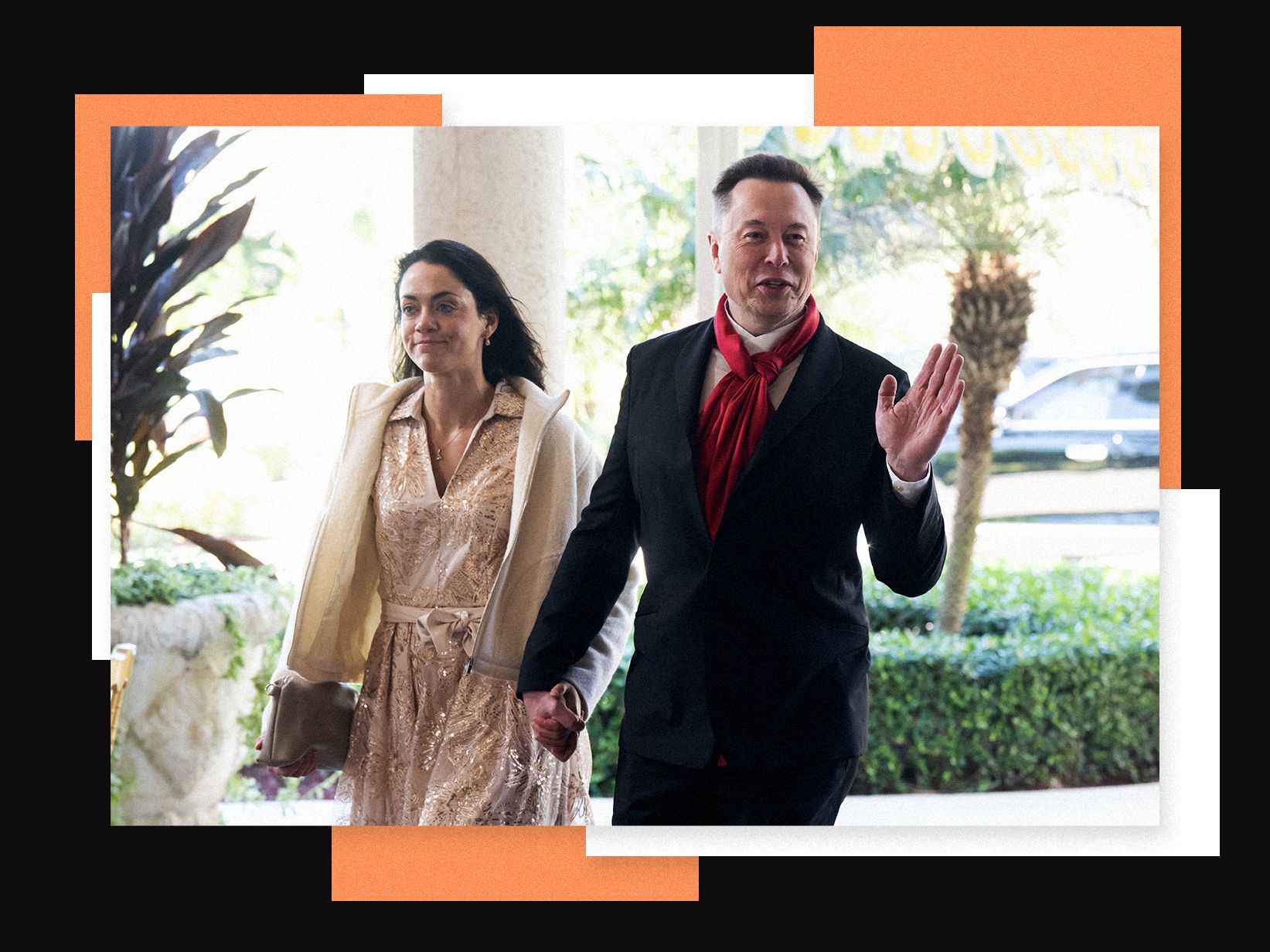
A single text message sent in February 2018 posed a question that would define the shifting loyalties within the early days of OpenAI: whether to remain "close and friendly" to the organization or begin a strategic disassociation. Recent revelations from the Musk v. Altman trial provide a startling look at how Shivon Zilis operated as Elon Musk’s OpenAI insider, acting as a critical, behind-the-scenes conduit between Musk and the company's leadership.
The Architect of Information Flow
Evidence presented in court suggests that Zilis functioned as a vital link during pivotal moments of restructuring within the AI pioneer. While serving as an advisor to OpenAI starting in 2016, she simultaneously held executive roles at Musk’s other ventures, including Neuralink and Tesla. This dual positioning allowed for a unique, if controversial, flow of information between the non-profit's board and Musk’s expanding empire.
The trial revealed that Zilis was deeply involved in high-level negotiations regarding the company's very foundation. In the summer of 2017, she acted as a messenger during discussions about how equity would be divided among the organization's founders. Her communications provided Musk with direct insights into the internal stances of leaders like Ilya Sutskever and Greg Brockman.
Key Aspects of Zilis’s Involvement
Her influence extended beyond simple reporting; she actively participated in the strategic maneuvering of the era. Notable elements of her role included:
- Acting as a liaison between Musk and OpenAI leadership after his departure from the board.
- Monitoring fundraising progress and technical milestones, such as AI video game development projects.
- Advising OpenAI CEO Sam Altman on how to manage communications with Musk during periods of high tension.
- Facilitating the movement of talent by coordinating discussions regarding recruiting personnel from OpenAI to Tesla.
Analyzing How Shivon Zilis Operated as Elon Musk’s OpenAI Insider
The role Zilis played was often that of a "communications manager" for some of the most powerful egos in Silicon Valley. When tensions flared—such as when Musk reacted angrily to news of a $20 billion valuation involving Microsoft—Zilis was the person Altman turned to for tactical advice. Her recommendation to "don't text back immediately" underscores her position as a stabilizing, yet deeply informed, intermediary.
This influence was not limited to managing conflict; it also involved the subtle shaping of institutional direction. Zilis expressed views in texts that mirrored Musk’s distrust of competitors, specifically targeting Google DeepMind’s Demis Hassabis. Her assertion that it was "fundamentally irresponsible" not to find ways to slow down certain technological paths suggests a level of involvement in the strategic philosophy of AI development that went well beyond her official capacity.
A Legacy of Blurred Lines
Despite the controversy surrounding her dual loyalties, Musk testified that Zilis never shared unauthorized sensitive information. However, the sheer volume of her involvement in operational tasks—ranging from security bids for shared office buildings to high-level equity discussions—paints a picture of an individual woven into the very fabric of the company's early operations.
The revelations brought to light by this trial challenge the traditional boundaries of corporate governance and transparency. While Zilis’s professional background is rooted in legitimate venture capital and technical expertise, her ability to operate within the intersection of Musk’s personal life and OpenAI’s boardroom created a period of unprecedented opacity.
As the AI industry moves toward more mature regulatory frameworks, the "insider" model represented by Zilis serves as a cautionary tale. The era of informal advisors wielding significant influence over the trajectory of Artificial General Intelligence (AGI) may be coming to an end. For the tech industry, the verdict on this trial will likely determine how much weight is given to the personal connections that once shaped the most consequential companies in the world.