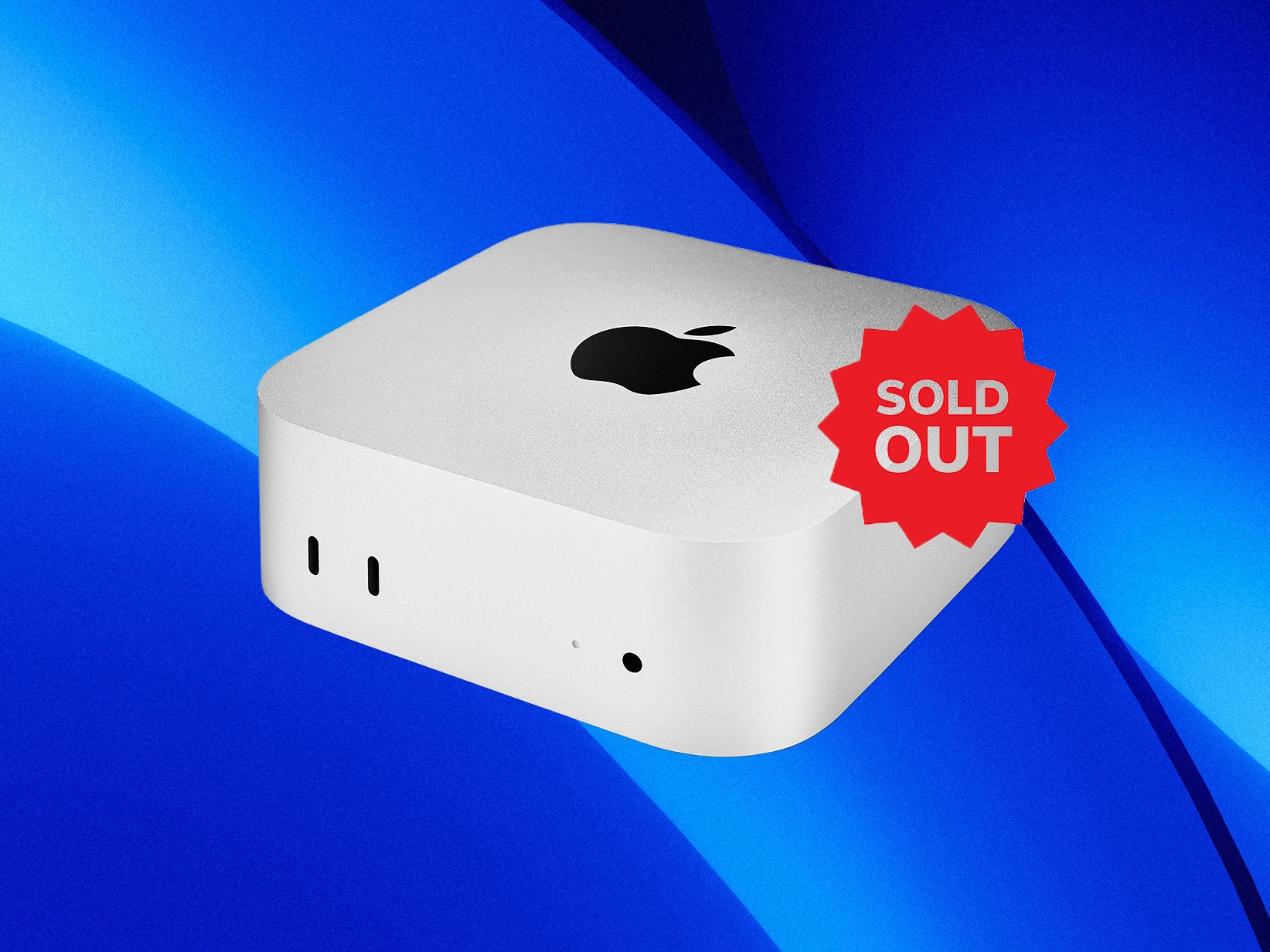
The convergence of generative AI and specialized hardware requirements is creating a significant bottleneck in Apple’s desktop supply chain. During a recent earnings call, CEO Tim Cook indicated that meeting the sudden surge in demand for the Mac Mini could take "several months." This shortage follows a period where developers identified the compact, screen-free desktop as an ideal platform for running complex, autonomous software agents.
The Agentic AI Boom and Mac Mini Scarcity
The rise of agentic AI has transformed the Mac Mini from a niche utility into critical development infrastructure. With the emergence of open-source tools like OpenClaw, developers are increasingly utilizing the Mac Mini and Mac Studio for their stable, dedicated computing environments. This shift in usage has led to what Cook described as "skyrockering demand" that currently outpaces Apple's production capabilities.
The impact on availability is already being felt across various hardware configurations. Reports indicate that certain high-memory models, specifically those featuring 512 GB of memory, have been pulled from the storefront entirely. As of recent weeks, even the base models of the Mac Mini have faced frequent stockouts, leaving many developers on extended waiting lists as they attempt to build out their local AI environments.
While the Mac division's revenue—roughly $8.4 billion this quarter—remains a fraction of the iPhone’s $57 billion, the growth trajectory is notable. The ability to provide a reliable, high-performance platform for AI tasks has turned a secondary product line into a primary driver of hardware scarcity.
Apple's Multi-Front Supply Challenge
The current hardware shortage is not restricted to the desktop segment, as Apple faces simultaneous pressures across its broader ecosystem. While the iPhone continues to drive massive revenue, supply constraints driven by advanced semiconductor shortages are limiting growth in that sector.
Additionally, the unexpected success of the new, more affordable MacBook Neo has added further strain to the company's logistics and manufacturing pipelines. Several key factors are currently impacting Apple's product availability:
- The rapid adoption of generative AI and agentic tools by developers and researchers.
- Supply limitations regarding advanced semiconductors required for the latest iPhone models.
- High consumer interest in the more accessible, colorful MacBook Neo laptop lineup.
- The discontinuation of specific high-capacity memory configurations within the Mac ecosystem.
A New Era of Leadership
This period of high-demand volatility coincides with a significant shift in corporate governance at Apple. The company is preparing for a major leadership transition as Tim Cook prepares to move into an executive chairman role later this year.
This shift will see John Ternus, the current senior vice president of hardware engineering, officially step into the CEO position on September 1. The transition from Cook to Ternus represents a pivotal moment for Apple's hardware roadmap and its ability to scale with modern software trends.
While the company's financial position remains incredibly robust, the incoming leadership will be tasked with managing unprecedented demand spikes in an AI-driven market. For developers and tech enthusiasts, the coming months will be a test of whether Apple can align its manufacturing output with the rapid evolution of autonomous computing.