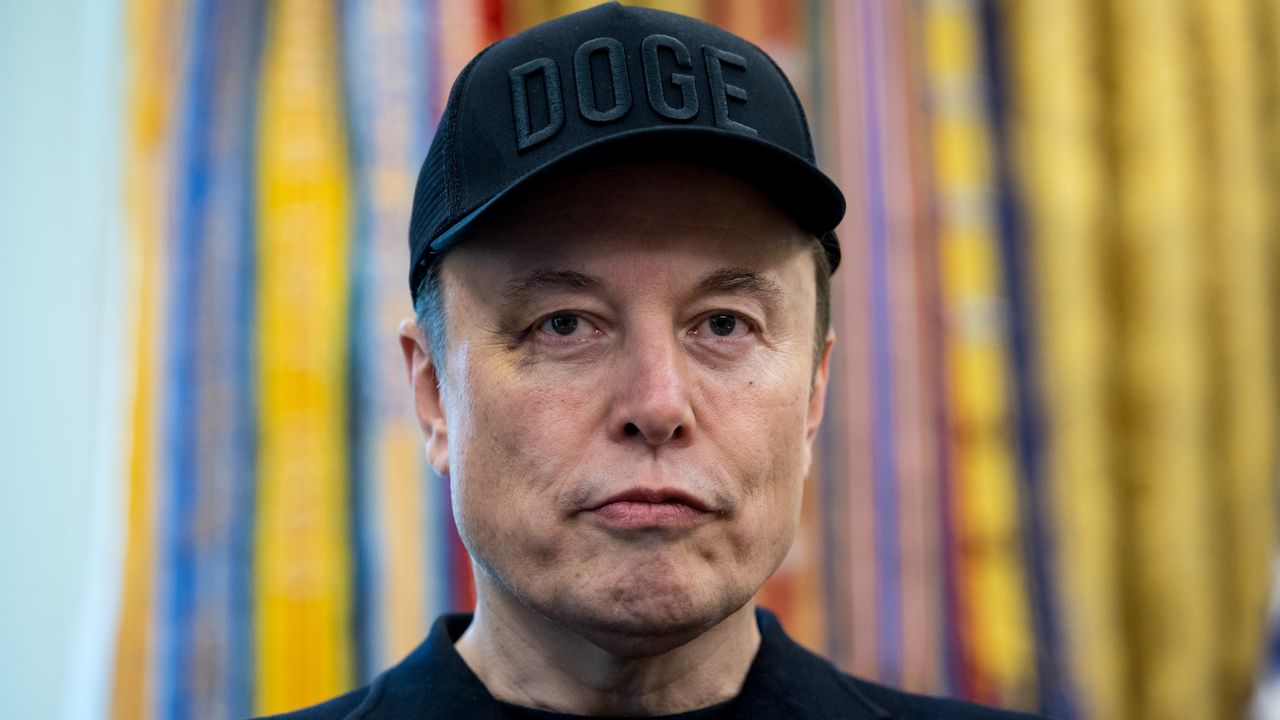
Opening arguments began on Tuesday in the case of Musk v. Altman, the Tesla CEO's lawsuit against Sam Altman and OpenAI for, in the attorney's words, "preying on Musk’s humanitarian concern about the existential dangers posed by artificial intelligence" in what is "a textbook tale of altruism versus greed." Musk is the good guy in this framing, of course, though based on Monday's jury selection process I have a feeling that Musk's lawyers may struggle to make that case.
"Elon Musk is a greedy, racist, homophobic piece of garbage," said one prospective juror, as quoted by The Verge reporter Elizabeth Lopatto from the San Francisco courthouse Monday.
Another was less harsh: they merely called Musk "a world-class jerk."
After the jury voir dire process was halfway through, Lopatto reported that out of the first 20 prospective jurors, five had such negative feelings about Elon that they said as much, though only one of them said they disliked him so much they couldn't be fair were they to serve on the jury—surely one of the easiest jury outs of all time.
"Elon Musk’s lawyer tried to get some jurors thrown out for disliking Musk," Lopatto reported as voir dire wound down. But—and this is the really good part—the judge wasn't having it.
"The reality is that people don’t like him. Many people don't like him," said Judge Yvonne Gonzales Rogers, in what may be the closest an on the record courtroom exchange has come to re-enacting the Star Wars cantina scene.
Fulfilling her solemn responsibility as a judge, Rogers did not follow up with 'I don't like him either' but instead said that the reality of some jurors disliking Musk "doesn’t mean that Americans nevertheless can’t have integrity for the judicial process."
The thrust of Musk's case is that he lent his time, effort and money to OpenAI under the assurance that it would remain a nonprofit, but that he "and the non-profit’s namesake objective were betrayed by Altman and his accomplices" when OpenAI spun up its for-profit efforts and the billions started rolling in.
In Tuesday's opening arguments, OpenAI's lead counsel William Savitt claimed that the case only existed "because Mr. Musk didn't get his way at OpenAI" and that he'd tried to turn OpenAI into a for-profit business himself, in 2017, with him in charge. The founders "didn't want to be part of a car company that Musk controlled," Savitt said. That sequence of events seemingly lines up with previous reports about the power struggle between Musk and Altman.
Musk is set to take the stand in Tuesday's trial, but we're likely months away from a substantial resolution. While the end result will likely be a "whoever wins, we lose" situation for society, we'll hopefully get at least a few more anecdotes out of the trial that are personally embarrassing for all the billionaires involved.
RAM crisis: what is it and why does it suck?(Image credit: G.Skill)Price tracker: We're logging RAM + SSD prices here
Explainer: Why memory is so expensive right now
Speed test: Where and when RAM speed matters for gaming