The Internet's Most Powerful Archiving Tool Is in Peril
Over one trillion web pages have been preserved by the Internet Archive, yet a quiet crisis threatens to render vast swathes of digital history inaccessible. As major news organizations and tech platforms increasingly block the crawlers responsible for this preservation, the public's primary window into the past is rapidly narrowing. The tool at the center of this struggle, known as the Wayback Machine, has become indispensable for journalists, historians, and legal professionals seeking to hold power accountable, but its future stability is now in question. This conflict marks a critical turning point where the very mechanisms we rely on to remember our digital past are being systematically dismantled by those who control it.
The Irony of a Blocked Archive
The current standoff presents a stark contradiction: news organizations that rely on historical data to investigate government overreach are simultaneously sealing off their own digital archives from the very tool that makes such research possible. USA Today recently published an exposé on Immigration and Customs Enforcement (ICE) policies by analyzing decades of detention statistics, but only because they could access snapshots preserved by the Internet Archive. Yet, USA Today Co., along with other major publishers like The New York Times and Reddit, has actively barred the ia_archiverbot from crawling their content.
Mark Graham, director of the Wayback Machine, highlighted the absurdity of this dynamic during a recent interview. He noted that while these outlets use the Archive to verify claims and track changes in public records, they simultaneously prevent new data from being added to the archive's growing database. The Guardian takes a different approach; rather than blocking the crawler entirely, it filters its articles out of the user-facing interface, effectively hiding them from casual searches even though the raw data is technically preserved. This fragmentation creates a patchwork of accessibility where historical context is available only to those who know exactly what to look for.
The AI Copyright Wars as a Catalyst
The primary justification for these restrictions stems from the escalating legal and ethical battles between publishers and artificial intelligence companies. Media executives argue that their content, once archived by the Internet Archive, is being harvested by AI firms to train models without permission or compensation. Graham James, a spokesperson for The New York Times, stated explicitly that the issue involves content being used "in violation of copyright law to directly compete with us." While the paper declined to clarify if this exploitation is currently happening or remains a hypothetical concern, the fear has driven a policy shift toward total exclusion.
Reddit and several other major platforms have followed suit, citing similar concerns regarding AI data scraping. The stakes are high; there are over 100 active copyright lawsuits in the United States focusing on whether training AI on publicly available web content constitutes infringement. Because the Wayback Machine offers an unparalleled trove of historical text and images, it has become a prime target for legal action. Publishers fear that by allowing their archives to be indexed, they are inadvertently fueling the very technologies they claim are exploiting their intellectual property.
A Coalition Rises to Defend Digital History
In response to this trend, a coalition of journalists and advocacy groups is mobilizing to protect the Internet Archive's mission. The Electronic Frontier Foundation and Fight for the Future have rallied support from over 100 working journalists, including prominent figures like Rachel Maddow, Taylor Lorenz, and Kat Tenbarge. Their collective letter argues that as physical archives disappear and local libraries lose the capacity to preserve digital-only reporting, the burden of safeguarding journalism's record increasingly falls on the Internet Archive.
The practical utility of the Wayback Machine extends far beyond academic curiosity; it is a critical tool for accountability and labor rights:
- Fact-checking: Editors use archived versions of articles to track editorial changes made after publication, such as The New York Times' 2016 edits regarding Bernie Sanders.
- Legal Evidence: Courts frequently cite Wayback Machine snapshots as evidence in litigation, making the tool vital for the justice system.
- Labor Organizing: Union organizers utilize historical job listings to expose discrepancies between company promises and actual working conditions or pay rates.
Laura Flynn, a supervising podcast producer at The Intercept, describes the Archive as an "essential tool" that has been instrumental in her career for surfacing audio clips and verifying claims. Similarly, Chicago Reader writer Micco Caporale uses the tool to track how job roles have been retooled over time, providing data that is otherwise lost to the digital void.
The Future of Public Memory
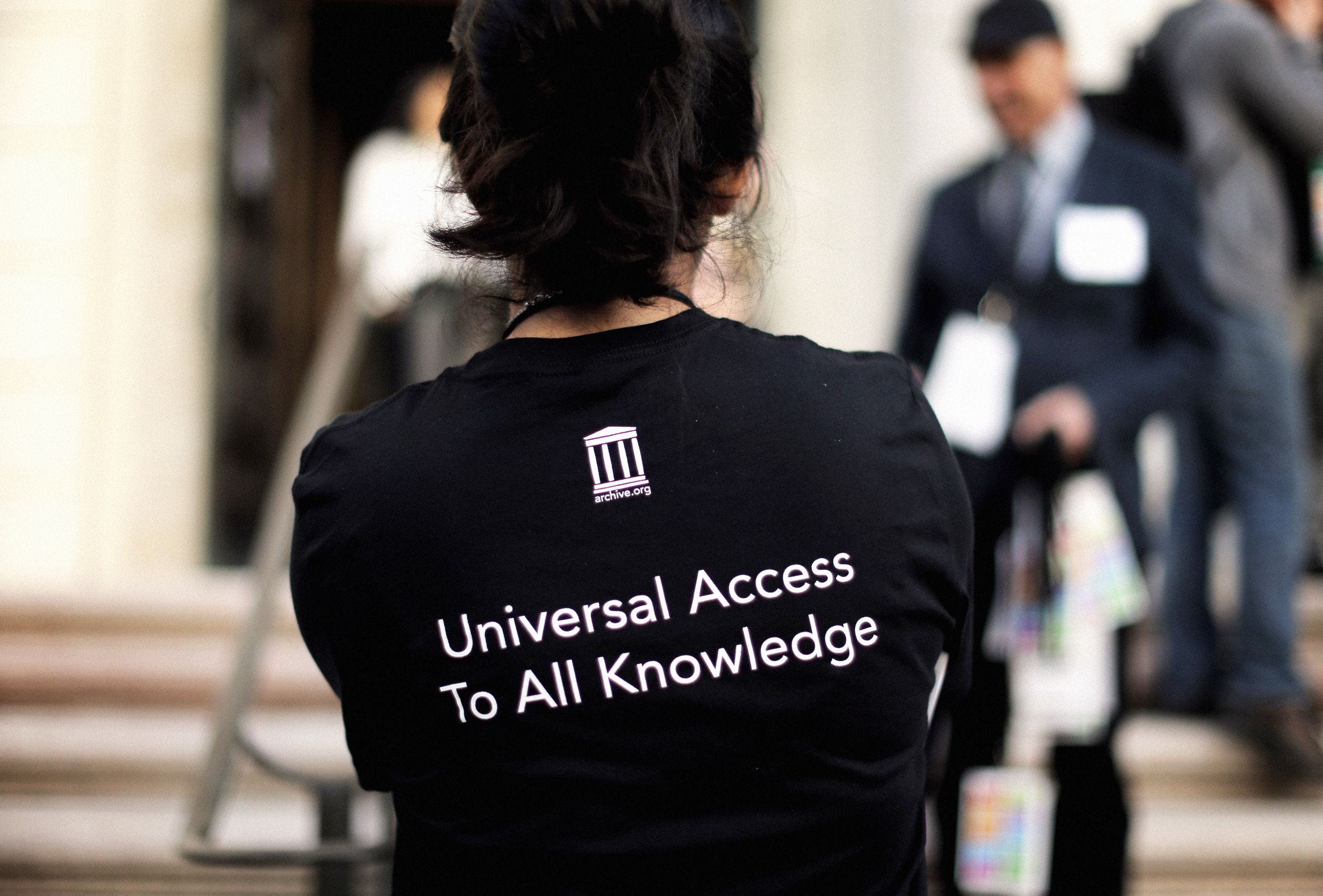
The Internet Archive, a 30-year-old nonprofit, has weathered significant legal challenges before, including a recent $700 million settlement with music publishers regarding its vintage recording collection. However, unlike those battles, the current threat comes from a concerted effort by major information gatekeepers to restrict access rather than demanding monetary damages. There is no widely available public alternative capable of matching the scale and granularity of the Wayback Machine's archives.
If this trend continues unchecked, the result will be a "kneecapped" Internet where early digital records become impossible to retrieve or verify. Mark Graham remains optimistic that negotiations with publishers like The New York Times could eventually reverse these policies, but he acknowledges that the locking-down of the public web is already impacting society's ability to understand current events in historical context. Without intervention, the legacy of our digital age risks being erased not by time, but by the very institutions tasked with preserving it.