1999 was a monumental year for cinema. While we saw the arrival of heavyweights like The Matrix, Fight Club, and The Sixth Sense, one film stands out as a uniquely enduring piece of popcorn perfection: Stephen Sommers’ The Mummy. Decades later, this high-octane adventure remains a consistent fan favorite, leaving many to wonder why this specific Brendan Fraser and Rachel Weisz vehicle continues to capture our hearts.
The answer might be simple: Hollywood doesn't make movies like The Mummy anymore. It is a rare blend of spectacle, heart, and pure escapism that feels increasingly scarce in the modern era of franchise filmmaking.
A Swashbuckling Twist on Classic Horror
At its core, the film acts as a spiritual remake of the 1932 Universal Monsters classic. The premise follows the ancient priest Imhotep, who is mummified and buried alive after a failed magical attempt to resurrect his lover. Thousands of years later, he is accidentally revived, becoming a supernatural force intent on reclaiming life—even if it requires human sacrifice.
What makes Sommers’ direction so clever is how he pivots from pure horror into a swashbuckling adventure-comedy. Despite a lengthy eight-minute opening exposition, the film never drags. Instead, it injects Imhotep’s origin story with a sense of scale and "breakneck" energy that keeps the audience engaged from the very first frame.
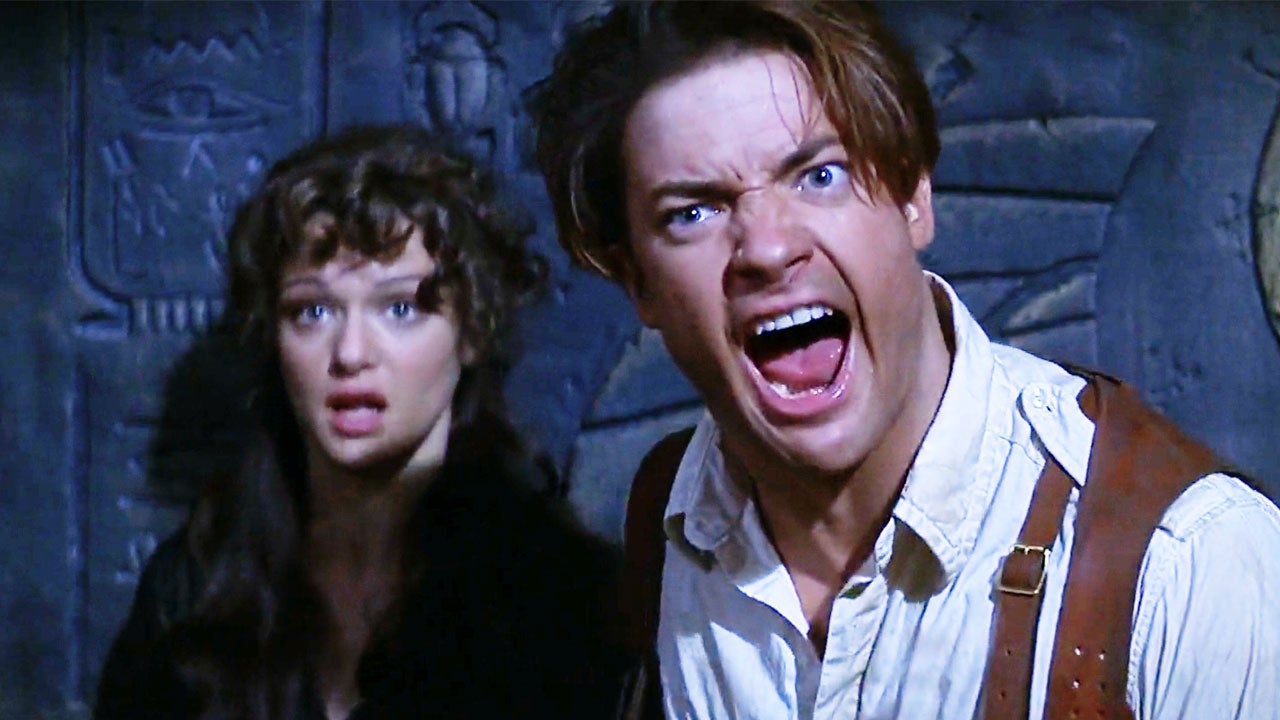
The film's dynamic is driven by an unforgettable central duo:
- Rick O'Connell (Brendan Fraser): A cocky, high-energy adventurer who brings much-needed charm to the chaos.
- Evelyn Carnahan (Rachel Weisz): The brilliant librarian who serves as the true MVP of the story.
- Jonathan Carnahan (John Hannah): The hilarious, bumbling brother providing constant comedic relief.
Why The Mummy Still Holds Up Today
While some of the early 1990s-era CGI hasn't aged perfectly, it doesn't detract from the experience. There is a certain tactile charm to the film that modern digital effects often lack. Sommers balances his visual effects with practical approaches, such as using actors in suits for mummy followers and utilizing shadows to maintain its effective PG-13 rating.
Even the film's perceived flaws work in its favor. The group of competing American treasure hunters serves as a collection of "Red Shirts"—unmemorable stereotypes that exist solely to meet untimely, often hilarious, demises. It is a movie designed to function perfectly, regardless of its smaller narrative hiccups.
The Legacy of Imhotep
The impact of this film is best seen in the sheer volume of iterations that followed. The Mummy has become a cornerstone of cinematic history, spawning various eras including:
- Universal Monsters Series: From the 1932 original to the Abbott and Costello comedies.
- Hammer Horror Series: The classic British horror interpretations of the 60s and 70s.
- The 1999 Reboot Era: Spanning from the original hit to The Mummy Returns.
- Upcoming Iterations: With rumors and developments surrounding a potential 2028 release and Lee Cronin’s upcoming version.
Ultimately, we love The Mummy because it is unapologetically fun. It captures a specific magic where action, comedy, and supernatural dread meet in perfect harmony—a formula that remains the gold standard for adventure cinema.