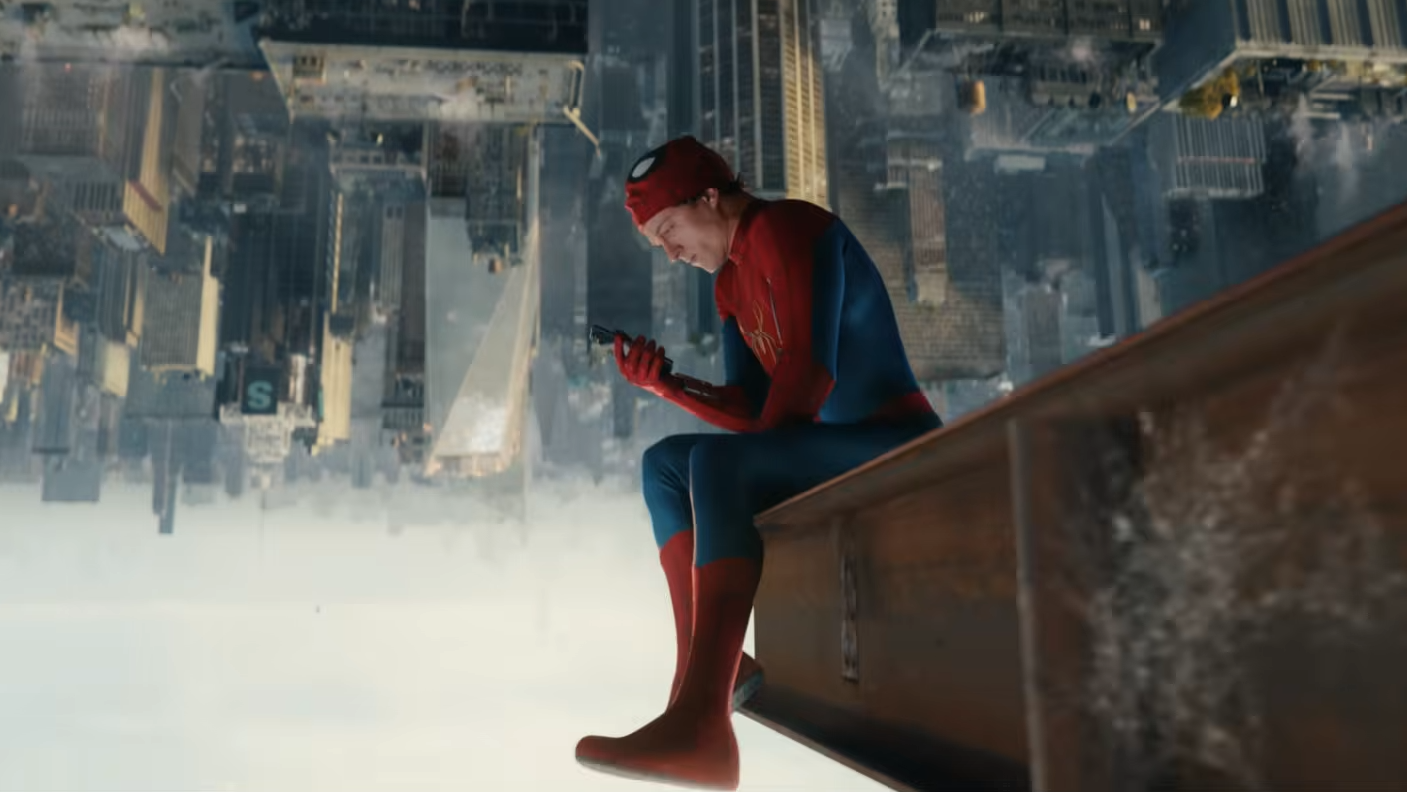
For years, fans of the Marvel Cinematic Universe have speculated about the specific circumstances surrounding the death of Uncle Ben. While the core tragedy is a staple of the Spider-Man mythos, the MCU has taken a much more subtle approach to Peter Parker's origin. Now, the Russo Brothers have finally provided clarity on a major point of contention: Tom Holland's Spider-Man isn't responsible for Uncle Ben's death.
The Russo Brothers Clarify the MCU Origin
When Tom Holland first appeared in Captain America: Civil War, Marvel Studios made a conscious choice to avoid repeating the well-trodden origin story seen in previous iterations. By the time Peter Parker enters the fray, he has already been operating as Spider-Man for roughly six months, and Uncle Ben is notably absent from the immediate narrative.
In a recent interview with CBR celebrating the 10th anniversary of Civil War, directors Joe and Anthony Russo addressed whether the MCU version of Peter Parker carries the guilt of his uncle's demise. According to the filmmakers, that specific burden does not exist for Holland's character.
"Spider-Man was one of my favorite characters growing up, if not my favorite," Joe Russo stated. "And what I related to was this idea of a kid with incredible responsibility, right? And I think you could manifest that responsibility through accidental death, right? And feeling the pressure, and the sense of loss in your life in a way that would keep the spirit that we wanted."
Joe Russo further explained that changing the nature of the death was a deliberate creative choice to shape the character's persona:
- Avoiding a different interpretation: The directors felt that if Peter blamed himself for the death, it would create a much more intense and darker version of the character.
- Focusing on Tom Holland's portrayal: The filmmakers wanted to preserve the specific energy Holland brings to the role, which differs from the guilt-ridden versions seen previously.
- The "Accidental Death" concept: While the exact details remain vague, the directors lean into the idea of a loss that creates responsibility without the direct weight of personal negligence.
Fan Reaction and the Legacy of Great Responsibility
The revelation has sparked significant debate within the Marvel fandom. Many longtime readers of the comics argue that the "failure to act" is the fundamental DNA of Spider-Man's identity.
One user on X (formerly Twitter) expressed frustration, noting, “This is so backwards. Him not being an active participant in his uncle’s death is a different interpretation. Him being responsible for his Uncle’s Death is the ENTIRE POINT of his origin.” Others compared the shift to recent changes in other franchises, citing James Gunn's approach to Batman's origin as a similar departure from tradition.
How the MCU Handles Peter Parker's Motivation
Despite the lack of a direct "gun-wielding thief" storyline, the theme of responsibility remains central to Holland's Spider-Man. We see glimpses of this legacy through several key moments:
- The Stark Connection: In Civil War, Peter explicitly tells Tony Stark that he acts because "bad things happen" if he doesn't.
- Aunt May's Role: In Spider-Man: No Way Home, Aunt May serves as the emotional anchor, delivering the iconic line, “With great power, there must also come great responsibility,” before her death.
- Subtle Easter Eggs: The MCU has included small nods, such as Uncle Ben's initials appearing on a suitcase in Spider-Man: Far From Home.
As we look toward the future of the franchise, specifically with the upcoming Spider-Man: Brand New Day, fans are eager to see if Marvel will finally provide a concrete explanation for what happened to Uncle Ben or if the mystery will remain a permanent part of the MCU's tapestry.