Trump Officials Push Banks Toward Anthropic’s Mythos Amidst Political Tensions
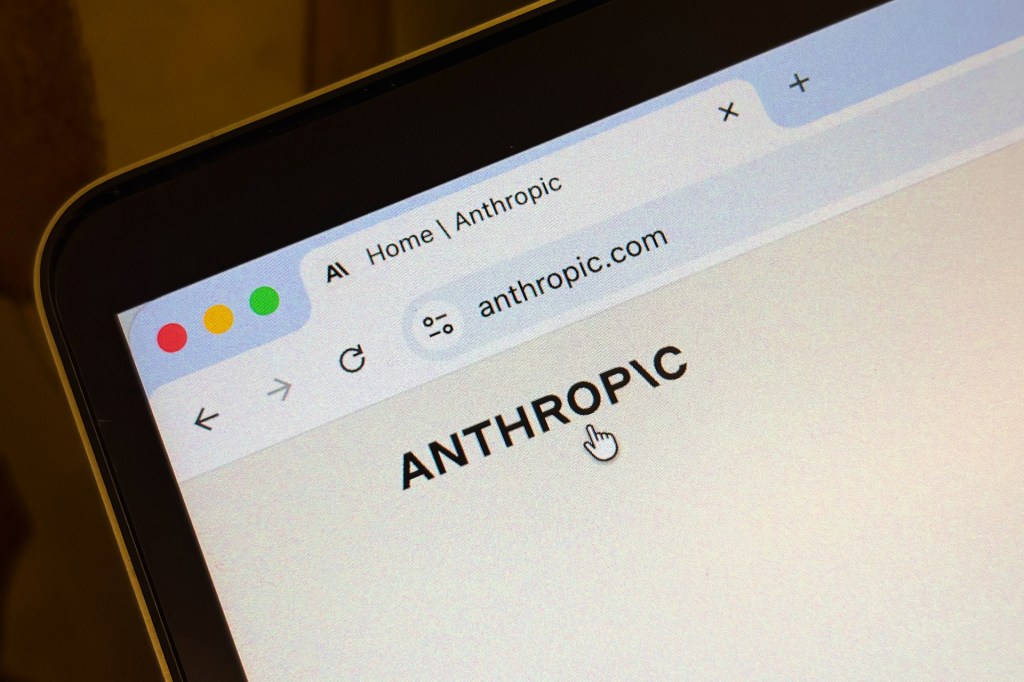
A conference room in Washington hummed with tension as bank executives gathered for a meeting that would reshape their relationship with artificial intelligence. Treasury Secretary Scott Bessent stood before them not to discuss regulation, but to recommend a specific tool: Anthropic's newly unveiled Mythos model. The message was clear and unexpected — financial institutions should use this AI system to identify vulnerabilities in their own infrastructure, even as the Trump administration publicly disputes with Anthropic over defense department partnerships. This directive marks a pivotal moment where government officials are actively encouraging banks to adopt Anthropic’s Mythos despite ongoing political friction regarding its status as a supply-chain risk.
The Contradiction of Security Mandates and Legal Disputes
Federal Reserve Chair Jerome Powell joined Bessent in urging executives to deploy Mythos for security vulnerability detection, despite warnings about potential risks. This position reflects a growing recognition among financial regulators that advanced language models can identify weaknesses more efficiently than traditional testing methods. Yet the government's own stance on Anthropic creates an awkward contradiction — recommending technology while simultaneously treating it as a supply-chain threat.
Financial institutions now face competing pressures:
- Adopting Mythos for security testing as officials recommend
- Navigating potential regulatory complications from model deployment
- Managing public perception amid mixed government signals
- Balancing security benefits against the company's ongoing legal disputes
While JPMorgan Chase received early access to Mythos, reports indicate Goldman Sachs, Citigroup, Bank of America, and Morgan Stanley are also evaluating the system. The timing carries particular weight given Anthropic's ongoing legal battle with the administration over supply-chain risk designations that emerged when negotiations broke down on government AI usage restrictions. The Department of Defense designation labeling Anthropic a supply-chain risk stemmed from negotiations that collapsed over usage limitations — precisely the kind of guardrails the company insists are necessary for responsible AI deployment.
Global Implications and Future Regulatory Frameworks
The Financial Times reports that U.K. financial regulators are similarly examining risks posed by Mythos, suggesting this is not an isolated American concern. International coordination on AI governance may become necessary as similar models reach global markets with comparable capabilities and political entanglements. This contradiction mirrors broader tensions in government-AI relations, where regulators seek to harness advanced capabilities while protecting critical infrastructure from emerging threats.
The Mythos deployment recommendation signals that artificial intelligence has crossed a threshold where government agencies are actively integrating it into security infrastructure planning. Even as political tensions simmer, the practical utility of these systems in identifying vulnerabilities appears difficult to ignore from a regulatory perspective. Financial institutions will likely face continued pressure to evaluate and potentially adopt similar tools as AI capabilities mature across sectors.
Looking forward, this episode may define how government and private enterprise negotiate AI adoption during periods of political friction. The financial sector's response to Mythos could establish precedents for how other industries approach similarly complex model deployments. Whether regulators can separate their security testing recommendations from ongoing legal disputes will determine public trust in both the technology and official guidance surrounding it.