Smaller transistors have traditionally been the key to faster, more efficient hardware. While the recent AI boom has complicated that simple equation, the future of semiconductor scaling remains ambitious. Recent reports suggest TSMC reportedly plots ultra-advanced sub-1 nm chips with 'trial' production starting in 2029, signaling a massive leap forward for the industry.
According to a report from Chosun Biz, internal sources indicate that TSMC is "set to begin trial production of sub-1-nanometer process semiconductors in 2029." While trial production does not mean these chips will be available for consumer purchase immediately, it sets the stage for mass production in 2030 or beyond.
The Current Landscape of TSMC Silicon
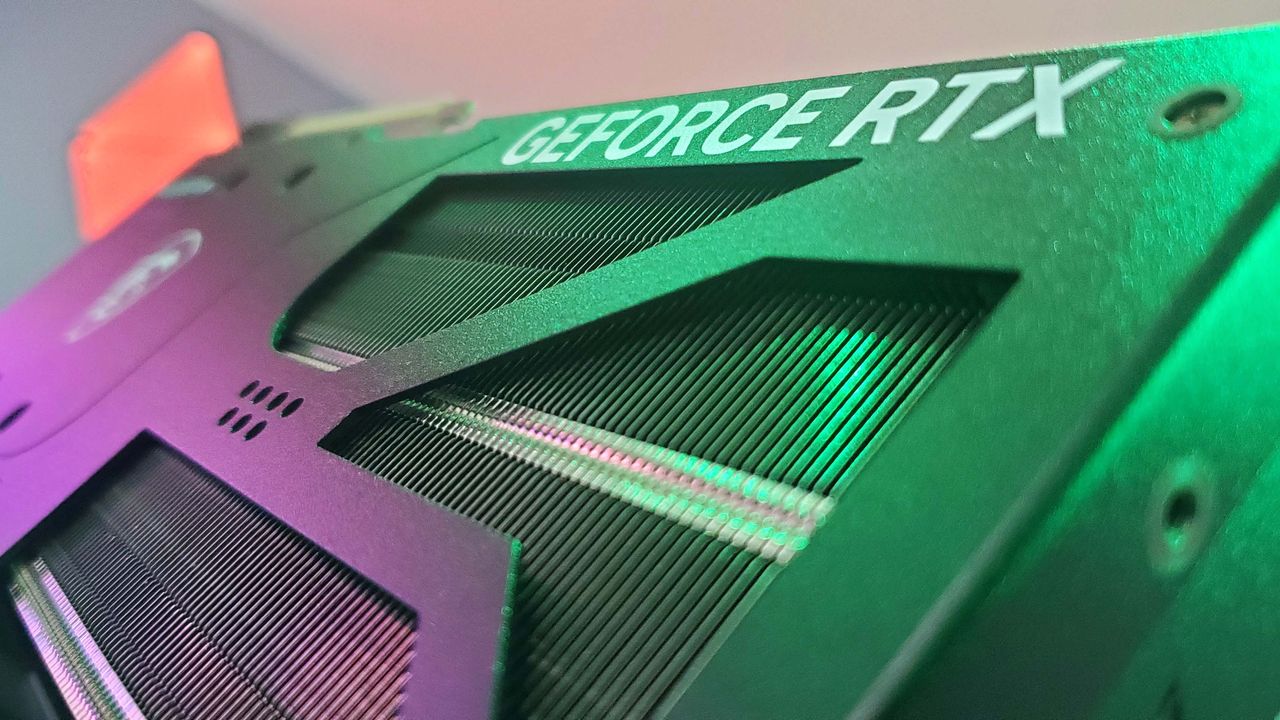
The roadmap for upcoming hardware is already looking incredibly dense. Even the most advanced GPUs currently on the market, such as Nvidia's RTX 50 family, are built on much older architecture, with the RTX 5090 itself derived from a 5 nm-class node.
Currently, the most cutting-edge TSMC silicon available in a consumer PC can be found in Intel's Arrow Lake family of CPUs. For instance, the Intel Core Ultra 9 285K utilizes TSMC's N3B node for its compute tile. As we look toward the near future, several key milestones are approaching:
- N2 Node: TSMC is expected to begin manufacturing chips for sale on this node later this year.
- Apple N2 Integration: Apple will likely be the first customer to debut an N2 chip, potentially in a 2026 iPhone release.
- AMD Zen 6: AMD has expressed intentions to utilize the N2 node for at least some of its upcoming Zen 6 processors.
A Roadmap for Sub-1 nm Chips and Beyond
TSMC's strategy appears to follow a consistent, biennial cadence. Chosun Biz also claims that TSMC plans to begin mass production of the node following N2 in 2028. Known as A14 in TSMC parlance—where "A" represents angstroms, the next unit of measurement below nanometers—this release would arrive exactly two years after the N2 rollout.
Major players like Nvidia and AMD are already positioning themselves for this transition. While neither has moved beyond the N5/N4 class for consumer chips yet, the plans are in motion:
- Nvidia Rubin: The upcoming Rubin family of GPUs is expected to utilize the N2 node, starting with AI-focused silicon currently in production.
- Nvidia Gaming: We expect Rubin gaming GPUs to arrive next year, likely utilizing TSMC N3 silicon.
- AMD Server Strategy: AMD is reportedly skipping the N3 node for its server CPUs, moving directly toward N2.
If the industry can navigate the current pressures of the AI boom, the future of high-performance computing looks bright. With sub-1 nm chips on the horizon and a steady stream of nodes like A14 and potentially an "A9" node at the end of the decade, the era of extreme transistor density is far from over.