A former Samsung researcher sentenced to seven years in prison has been found guilty of leaking critical DRAM semiconductor technology to a Chinese competitor, CXMT. The 56-year-old defendant, identified as Mr. Jeon, was convicted by a South Korean court following his arrest and indictment last May.
The Verdict: A Blow to National Technology
The sentencing took place on 22 April by the 28th Criminal Division of the Seoul Central District Court. According to legal circles, the leaked information is classified as "a core national technology" for the region.
Presiding judge Han Dae-gyun did not mince words regarding the severity of the leak. In his ruling, the judge stated: "Since damage was inflicted not only on the company but also on the Republic of Korea, we have no choice but to impose a severe punishment."
The Scale of the Intellectual Property Theft
The stolen data involved Samsung's 18 nm process technology, a massive undertaking that cost an estimated 1.6 trillion won (over $1 billion) to develop. The court also raised concerns regarding corporate oversight, noting via machine translation: "It is questionable whether the company provided sufficient compensation for maintaining trade secrets at the time of the crime."
The investigation into Jeon revealed a long-term scheme involving significant financial payoffs:
- Total Compensation: 2.9 billion won (just under $2 million) received from CXMT.
- Duration: The payments spanned a six-year period.
- Stock Incentives: 300 million won of the total figure was delivered in the form of stock options.
Global Competition and the Memory Crisis
While Jeon was indicted alongside 10 others last year, he is the first individual to receive a formal sentence for these charges. The case highlights the intense pressure on South Korean firms to protect their DRAM tech from international competitors.
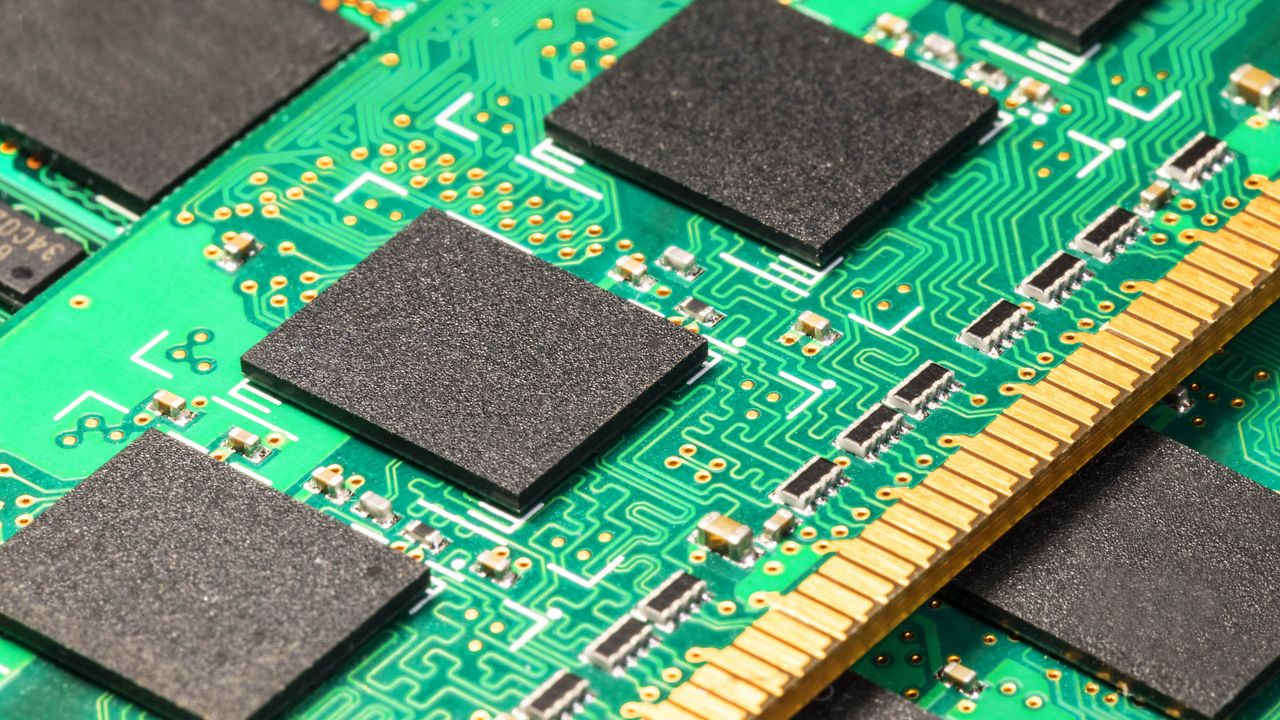
CXMT currently stands as China's most advanced DRAM manufacturer. The company has gained significant attention as a potential alternative solution to the ongoing global memory supply crisis, with its modules occasionally appearing in system RAM kits on Chinese marketplaces like Temu.
As demand for high-performance hardware remains sky-high due to AI server requirements, protecting intellectual property is a top priority. For South Korean giants like Samsung and SK Hynix, maintaining a technological lead is essential to their national and economic security.