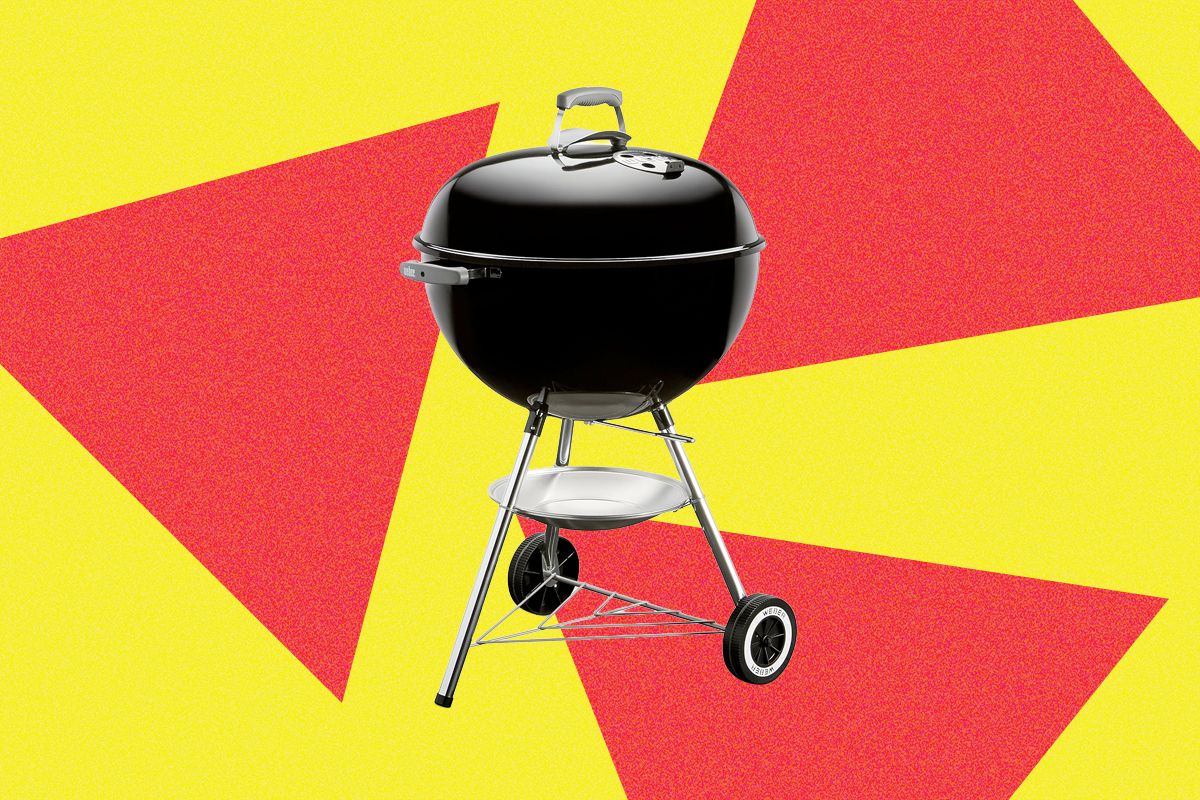
Turning backyard charcoal cookers into precision cooking stations requires bridging the gap between primal heat management and modern digital control. The inherent artistry of grilling—the feel for smoke and the judgment of ember distribution—is now being augmented by capable aftermarket electronics. By learning how to upgrade Weber and Kamado Joe into smart grills, owners can tame volatile fireboxes and force them into a predictable, app-managed state that rivals dedicated smart appliances.
Integrating Digital Control with Classic Charcoal Design
The appeal of upgrading existing grills stems from overcoming the inherent limitations of time-tested designs. While modern, all-in-one smart smokers offer convenience, they often exist within proprietary ecosystems susceptible to manufacturer discontinuation or software failure. Conversely, retrofitting a durable piece of equipment—such as a decades-old Weber Kettle or a robust Kamado Joe—offers unparalleled longevity and repairability. This approach treats the grill less like a single appliance and more like a chassis ready for electronic customization.
The core mechanism for these upgrades remains consistent across brands: maintaining precise control over airflow to manage combustion efficiency. To function effectively, a smart system requires three specific components:
- Temperature Probes: Dedicated sensors to measure specific points of interest, such as the meat surface.
- Ambient Sensors: Tools used to gauge the overall heat saturation within the cooking chamber.
- Variable Fan Control: A digital damper that regulates oxygen intake into the firebox to stabilize the temperature set point.
Smart Upgrades for the Weber Kettle Platform
The ubiquitous Weber Kettle remains a prime candidate for technological enhancement due to its proven durability. Specialized controllers, particularly those targeting 22-inch models, hook directly into the kettle's existing venting structure. These units function similarly to high-end espresso machines by using PID (Proportional-Integral-Derivative) control loops to prevent temperature oscillation.
Instead of relying on manual guesswork regarding vent openings, you simply input a desired ambient and probe temperature via an app. The controller then manages the fan output to maintain that exact reading. This makes the Weber Kettle ideal for "low-and-slow" cooks where stability is paramount. While some initial temperature overshoots can occur when pushing for high-heat searing (around 475°F), the subsequent stability provides repeatable results unattainable through purely mechanical means.
Taming Ceramic Giants: How to Upgrade Kamado Joe into Smart Grills
Kamado-style ceramic cookers, including Kamado Joe models and Big Green Eggs, present different engineering challenges due to their thick, insulating masonry. However, modular controllers from providers like ChefsTemp have proven remarkably adaptable to these heavy-duty units. Because these systems are designed to be semi-universal, they often utilize screw-in thermometer slots or require only minor modifications to integrate.
The flexibility of this hardware is a major advantage for enthusiasts. A single kit can address multiple distinct grill types, from pellet smokers to classic charcoal units. These kits typically bundle:
- Wireless probes
- A fan unit (often attached near the bottom vent)
- A central control hub
Ultimately, the ability to treat a charcoal grill with the same predictable rigor as a dedicated electric oven elevates barbecue from an art reliant on intuition to one augmented by verifiable data points. While the initial investment in these controllers is significant, the return is measurable consistency, allowing you to focus on flavor rather than fighting the capricious nature of the open flame.