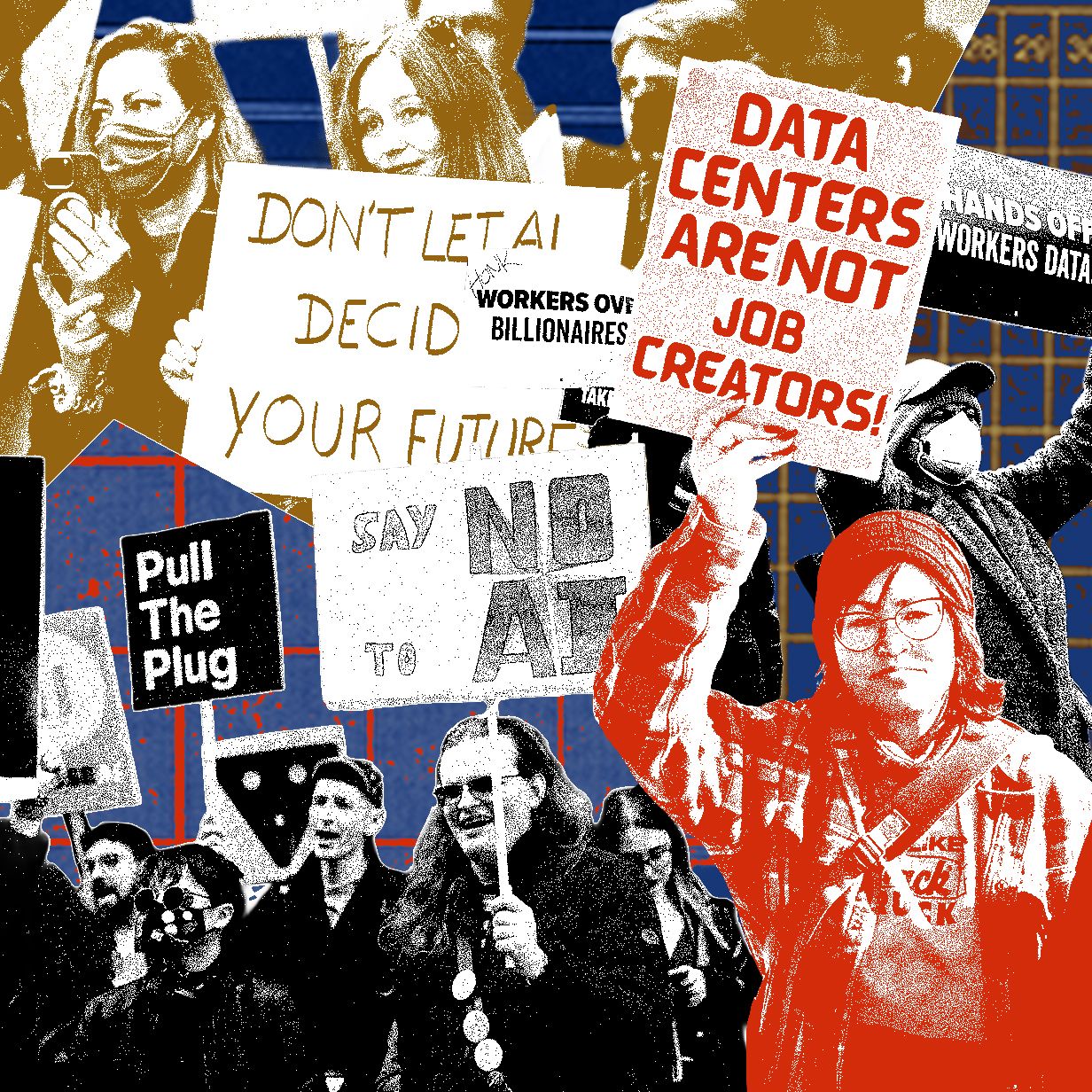
US law enforcement warns of anti‑tech extremism as AI hatred grows. Federal intelligence agencies are cataloguing a new category of threat that reframes dissenting opinion about AI as domestic extremism. Documents obtained by WIRED reveal the federal apparatus is redefining protest and ideological disagreement into a criminal category, turning everyday skepticism into a security concern.
A Novel Label Emerges in Federal Surveillance
The New York Intelligence and Counterterrorism Bureau warning that anti‑tech extremism may fuel large‑scale protests in urban centers is the first time this term appears in publicly released DHS or FBI guidance. Analysts note the label captures a spectrum of ideologies that view emergent AI technology as an existential threat.
Indicators Often Mistaken for Threats
- Photography
- Testing/probing of security
- Attempted intrusion
- Expression/implied threat
These indicators often stem from well‑meaning dissent rather than intent to harm. anti‑tech extremism rhetoric can amplify marginalized voices through the volume of generated alerts, even when participants are peaceful.
Counterterrorism Strategies Shift Toward Data Centers
Federal fusion centers now monitor gatherings that question corporate AI policies, such as Tesla Takedown rallies and Break Up With Tech Rager events. A Pennsylvania center warned that groups might exploit the strategic importance of data centers for cryptocurrency mining or sabotage, using front companies to bypass security. The Northern Virginia Regional Intelligence Center identified activities like “photography” and “testing/probing of security” as suspicious.
AI hatred fuels a paradox: fear is weaponised against ordinary citizens while genuine threats to data infrastructure remain understudied. A calibrated approach that distinguishes between AI alignment worries and targeted violence will be essential to preserve civil liberties without compromising security.