The transition from physical postcard lotteries to centralized digital reservation systems was intended to modernize the stewardship of America’s wilderness. In the 1980s, securing a permit for a coveted stretch of the Middle Fork of the Salmon River involved mailing a handwritten note and hoping a ranger pulled your specific slip of paper from a literal bag of entries.
Today, that analog chaos has been replaced by Recreation.gov, a massive digital gateway managing millions of requests for everything from desert hikes in Arizona to remote campgrounds in Washington. However, as the demand for outdoor recreation has surged, the infrastructure designed to manage it has begun to fracture under the weight of technological inequity and systemic exploitation.
The Digital Arms Race for Public Lands
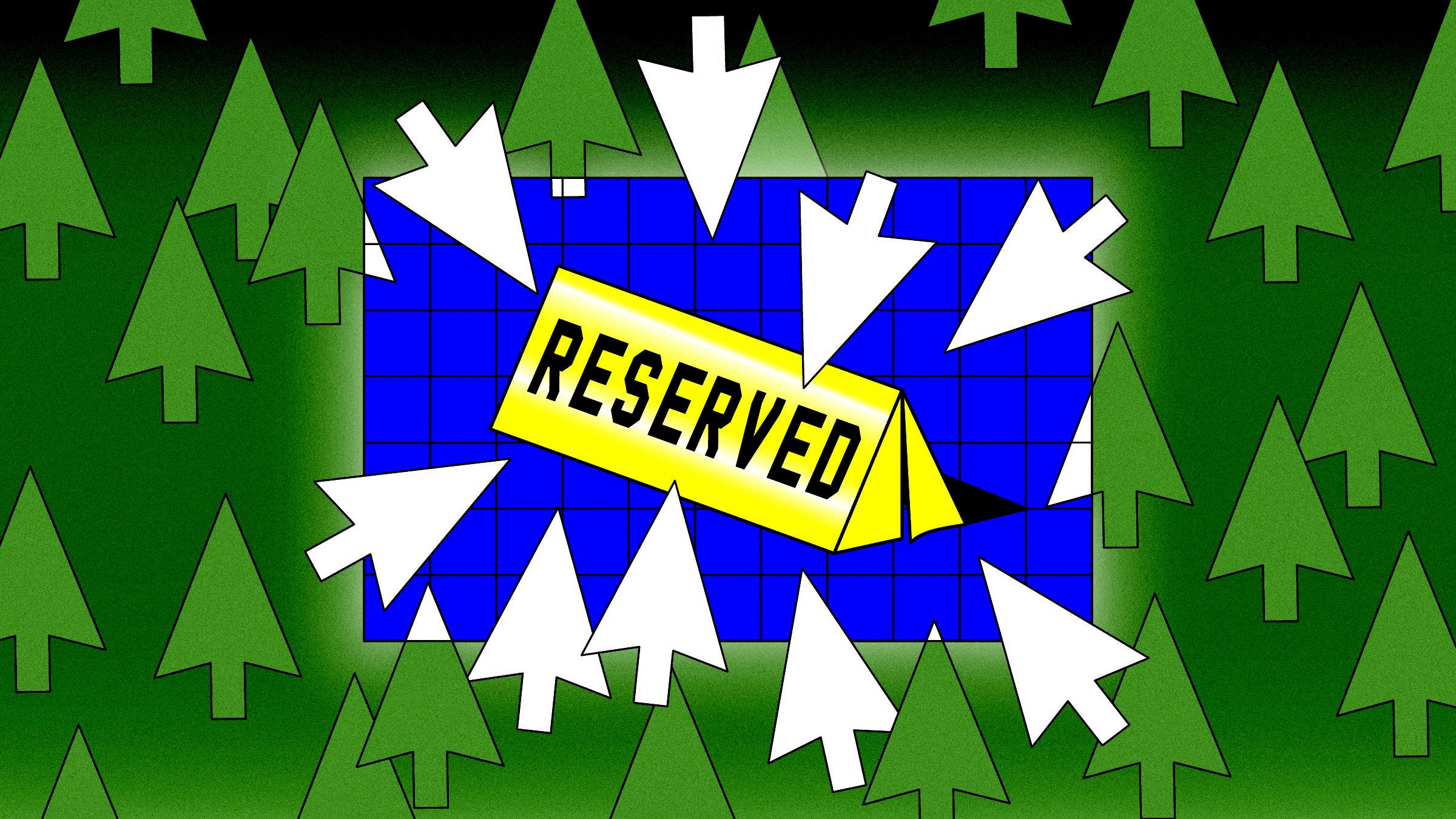
The sheer scale of modern demand is staggering. In 2019, the platform processed roughly 3.5 million reservations; by 2024, that number skyrocketed to 11 million. This explosion in popularity has turned high-demand permits into a digital arms race where human reflexes are no longer sufficient to compete. For iconic locations like The Wave in Arizona’s Paria Canyon-Vermilion Cliffs Wilderness, the success rate for applicants is a punishing 0.3 percent.
When cancellation windows open at specific times—such as 8:00 AM Mountain Time for river permits—the difference between securing a trip and being left empty-handed often comes down to milliseconds. This environment has birthed a shadow economy of automation that undermines fair access to public lands:
- Scraperbots: Free or paid scripts used to monitor site changes in real-time.
- Custom Scripts: Sophisticated code designed to bypass standard user interfaces and "click" faster than any human.
- Dedicated Servers: Groups hosting private hardware specifically to gain a millisecond advantage in latency.
- Paid Services: High-end developers who charge thousands of dollars to build bespoke tools for permit acquisition.
Experimental testing has proven that these tools are functional realities. By using browser developer tools to find hidden data, users can identify upcoming availability before it is even visible on the standard interface. In controlled tests, automated scripts have successfully snatched up multiple "unicorn" permits—such as the Middle Fork or the San Juan River—within seconds of their release, leaving human users staring at empty calendars.
The Paradox of Phantom Demand
Perhaps the most frustrating symptom of this digital breakdown is the growing disconnect between reservation data and actual land usage. There is a documented phenomenon where highly sought-after campsites are reserved via the platform, only for the sites to sit vacant during the actual trip dates.
This creates a "phantom demand" that makes it appear as though the wilderness is fully booked, while in reality, the land remains largely empty. This inefficiency carries significant implications:
- Conservation Mismanagement: Agencies struggle to gauge true usage patterns.
- Public Frustration: Families are locked out of sites that aren't actually being used.
- Administrative Helplessness: Rangers see empty campsites but lack the tools to override digital gatekeepers.
The Corporate Middleman
At the center of this friction sits an unlikely custodian of the American wilderness: Booz Allen Hamilton. A massive government contractor primarily recognized for its expertise in cybersecurity and intelligence, the firm manages Recreation.gov and profits from nearly every transaction made on the platform. This creates a strange tension between a multi-million dollar corporation and the grassroots ethos of outdoor recreation.
The current state of the system suggests that while we have successfully moved away from the "garbage bag" lottery of the 1980s, we have traded one form of chaos for another. The digital divide has replaced the physical mail delay, creating a landscape where access is determined not by a love for the outdoors, but by technical literacy and the ability to outpace an algorithm. Unless the platform evolves to address automation, ensuring fair access to public lands will remain an uphill battle.