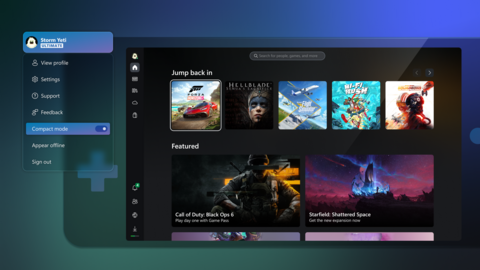
While Windows remains the dominant force in PC gaming, it is clear that Microsoft has struggled to maintain its edge. Recent shifts in the landscape have highlighted a decline in Windows gaming performance, accelerating a migration toward Linux-based alternatives. Driven by Valve’s relentless work on Proton and SteamOS, the competition is forcing Microsoft to rethink its entire approach.
Microsoft's Plan: The Windows K2 Initiative
According to a report from Windows Central, Microsoft is preparing an initiative known as Windows K2. This isn't a standalone replacement for Windows 11, but rather a massive effort to overhaul key aspects of the operating system that have become major pain points for users.
The primary goal of this project is to reclaim customer trust by addressing long-standing issues within the OS. Microsoft understands it has fallen behind, and K2 represents their strategy to catch up with modern gaming demands.
Bridging the Performance Gap with SteamOS
Gaming is a central focus for the K2 initiative. Microsoft reportedly acknowledges that SteamOS has set a new benchmark for efficiency that they must now aim for.
The company's objective is ambitious: they aim to bridge the gap in Windows gaming performance within the next two years, specifically when comparing results on identical hardware. To achieve this, Microsoft will focus on several critical areas:
- Overhauling OS pain points and stability.
- Optimizing core system architecture for low-latency gaming.
- Addressing the efficiency of background processes.
- Reclaiming developer and user trust through consistent updates.
Overcoming the Challenges of Translation Layers
What makes this challenge particularly interesting is the unexpected success of Valve's technology. Many of SteamOS's performance advantages actually stem from Windows games running through Proton’s translation layer.
Traditionally, a translation layer is expected to negatively impact performance rather than improve it. For Microsoft to meet its two-year target, they must find ways to match the streamlined efficiency that Valve has achieved through software innovation.