Seven and a half years after Valve first launched Proton—the essential compatibility layer that allows Windows games to run on Linux-based systems like SteamOS—the software continues to evolve rapidly. While the standard Proton 11.0 beta has arrived with a massive suite of game fixes, Valve has quietly released an even more experimental version: Proton 11.0 (ARM64).
This specialized build was discovered by a sharp-eyed user on Reddit, who reported mixed success when testing it. Data from SteamDB confirms the existence of this update, though users should approach it with caution; as a test build, it is reportedly quite unstable.
Why Valve is Testing Proton 11.0 (ARM64)
While most gaming PCs rely on x86 architecture, this new Arm64 flavor of Proton is specifically designed for hardware utilizing Arm processors. This isn't necessarily aimed at MacBooks or the new wave of Qualcomm Snapdragon X laptops, though some overlap exists. Instead, the existence of this software points directly toward Valve's upcoming hardware: the Steam Frame.
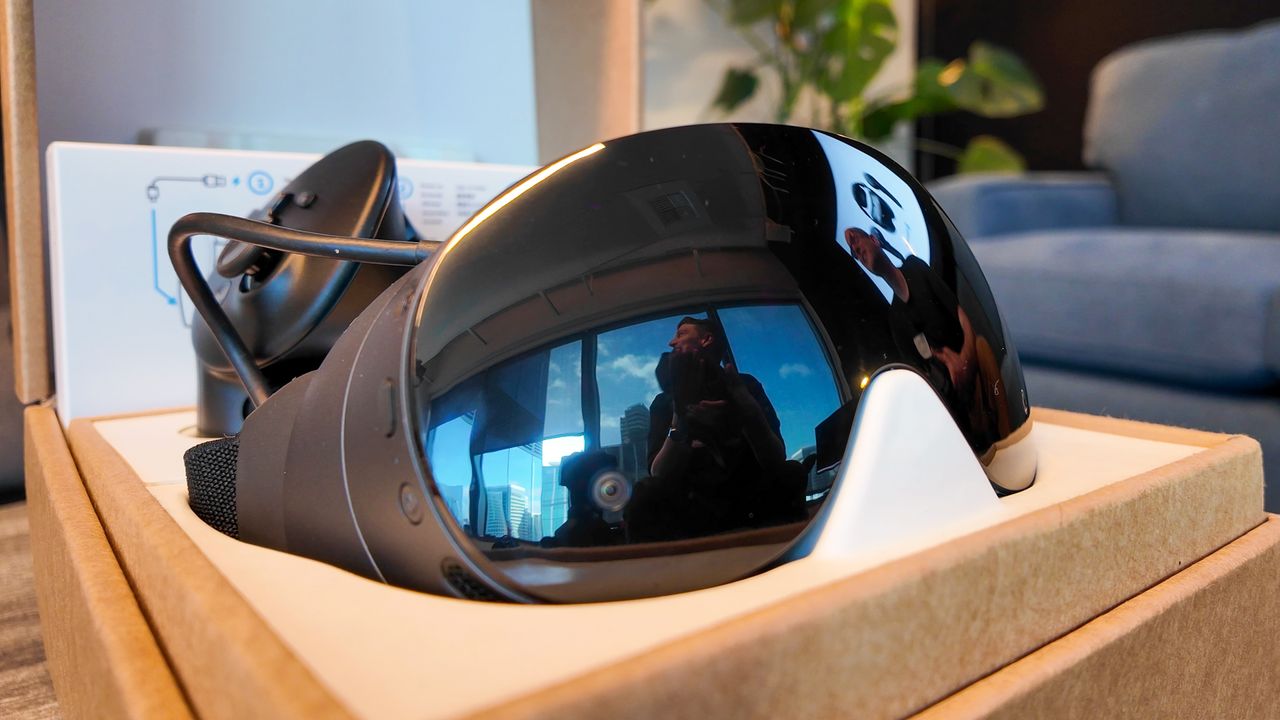
The highly anticipated Steam Frame VR headset is powered by a Qualcomm Snapdragon 8 Gen 3 (SM8650) processor, which features eight Arm Cortex CPU cores. While a PC running games for the headset wouldn't necessarily need Proton, any Windows-based software hosted directly on the device will require this compatibility layer to function.
To ensure smooth operation, Valve's setup involves two distinct layers:
- Proton: Handles the operating system and software compatibility.
- FEX: A translation layer used to run x86 code on Arm hardware.
Currently, using FEX results in a noticeable performance hit, but it is a crucial component for a device intended to bridge the gap between Windows gaming and Arm architecture.
The Future of Untethered VR Gaming
The quiet release of this beta suggests that the retail version of the Steam Frame is nearing completion, even if Valve hasn't officially pulled the curtain back yet. Of all Valve's recent hardware announcements, the Steam Frame is arguably the most disruptive to the current VR landscape.
For many enthusiasts, the primary frustration with headsets like the Meta Quest 3S is the reliance on a heavy optical fiber USB cable to maintain high bandwidth and low latency. Wireless streaming via Wi-Fi often fails to replicate the seamless feel of a wired connection due to increased lag.
The Steam Frame aims to solve this by utilizing a dedicated 6 GHz wireless dongle. This setup allows for:
- Zero cables cluttering your play space.
- Minimal latency during high-intensity gameplay.
- Untethered freedom without sacrificing the quality of the stream.
While heavy users might still rely on their primary gaming rigs, Valve's development of Proton 11.0 (ARM64) proves they are preparing for a future where PC gaming isn't strictly tethered to x86 architecture.