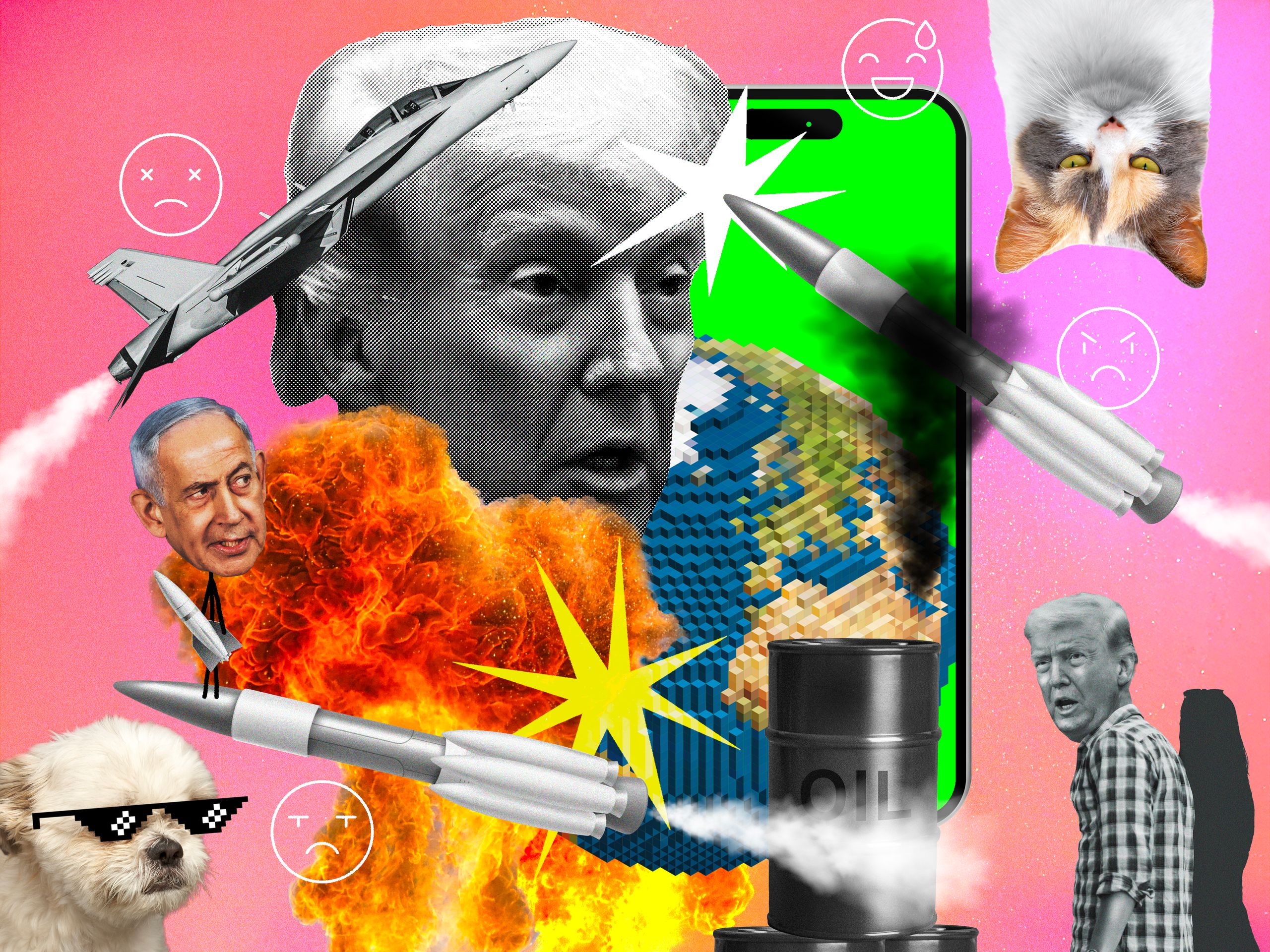
Is it possible that the humor used to endure modern conflict is actually eroding our capacity to comprehend its true gravity? As geopolitical tensions fluctuate between global powers, the battlefield has expanded into the digital feeds of billions. While ceasefire announcements dominate traditional news cycles, a parallel narrative emerges through viral trends and dark comedy. This phenomenon transforms active warfare into a stream of consumable content, where war memes repackage tragedy as a punchline.
The Algorithm of War Memes
The mechanics of the modern meme mirror biological replication, spreading rapidly through digital ecosystems via imitation and engagement. As the concept of the "meme" was originally defined by Richard Dawkins, these ideas seek survival by adapting to their environment. On platforms driven by recommendation engines, a joke about military conscription or dodging missiles can achieve global reach in minutes.
This speed often comes at the cost of contextual accuracy. The digital landscape frequently strips away nuance, leaving only the most digestible and stripped-down fragments behind for mass circulation. Consequently, the rapid spread of war memes can prioritize viral potential over factual depth.
Psychological Distance and "Happy Violence"
The psychological impact of these digital artifacts depends heavily on geographical distance. For observers located far from active combat zones, war can manifest as a mediated spectacle characterized by cinematic destruction. This "happy violence" is often experienced through the lens of superhero films or apocalypse franchises, making it feel consequence-free.
Conversely, for those living within the shadow of conflict, humor takes a more fatalistic tone. In these regions, humor serves as a vital tool for emotional survival in the face of immediate, physical threats. The danger lies in how the algorithm bridges this gap. Because platforms reward engagement rather than depth, the distinction between someone joking from a position of safety and someone joking from a crisis zone begins to blur into a single, homogenized stream of entertainment.
Statecraft in the Age of the Remix
Modern nation-states are no longer content to rely solely on traditional press releases; instead, they are increasingly adopting the visual language of internet subcultures to influence global perception. From AI-generated animations to cinematic edits that mimic video game aesthetics, state-sponsored messaging is becoming indistinguishable from user-generated entertainment.
This strategic use of media literacy gaps allows propaganda to bypass critical defenses by appearing as harmless, shareable media. We are seeing a sophisticated convergence of military communication and pop culture through several key methods:
- Visual Mimicry: The use of high-fidelity, "gaming-style" graphics to portray military maneuvers.
- Audio Integration: Leveraging trending soundtracks to drive emotional resonance in combat footage.
- AI-Driven Narrative: Utilizing tools like AI-generated Lego animations to depict victory in a way that is both whimsical and highly shareable.
This evolution makes modern propaganda easier to absorb because it already resembles the entertainment language audiences consume daily. When a state utilizes the aesthetics of a popular video game or a cinematic blockbuster, it bypasses the skepticism usually reserved for political broadcasts.
The Illusion of Knowledge
The proliferation of war memes creates a profound paradox: an increase in digital exposure that leads to a decrease in actual comprehension. While users may feel informed by the constant stream of clips, reaction posts, and trending hashtags, they are often trapped in what researchers call the illusion of knowledge.
This phenomenon occurs when frequent consumption of social media news increases a sense of being informed without actually increasing an underlying understanding of historical or political complexities. The risk is not necessarily ignorance, but rather a fragmented way of seeing the world. When crises arrive as disconnected snippets, the broader systems—history, economics, and long-standing alliances—are stripped away.
The digital landscape rewards the "what" and the "how" of a moment, but rarely provides the "why." If the public continues to interact with global conflicts through a lens of irony and aesthetic satisfaction, we may find ourselves in a position where we recognize every headline but understand none of the consequences. The ultimate verdict is sobering: when every crisis becomes content, the real danger is that we will lose the ability to distinguish between a joke and a catastrophe.