Micron’s 256 GB DDR5 Memory Module: A New Era for AI Servers
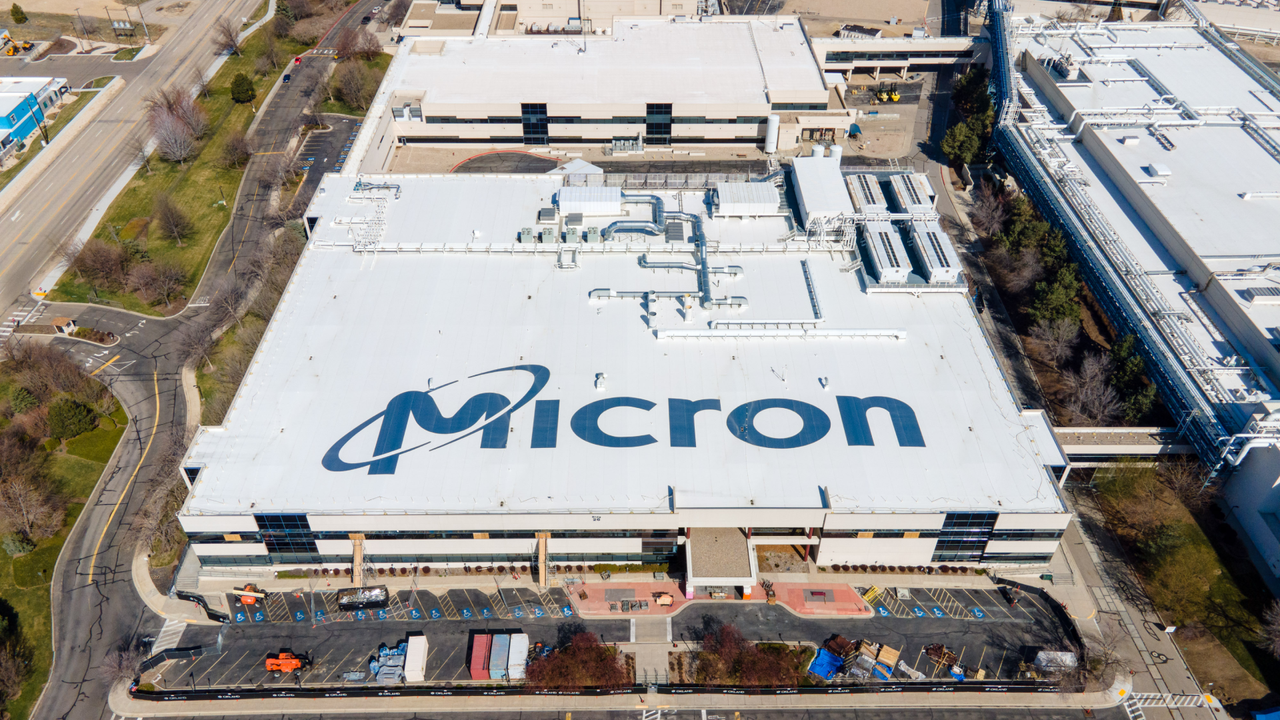
While I can barely find two sticks of 16 GB to rub together in the current supply crisis, Micron is looking far beyond the consumer market. The Boise, Idaho-based manufacturer has unveiled a 256 GB DDR5 memory module specifically designed to power the next generation of AI servers.
This announcement comes at a critical time. As the AI industry demands unprecedented computational power, traditional consumer hardware specs are quickly becoming obsolete. Micron’s new tech is not just an upgrade; it is a fundamental shift in how data centers will handle massive datasets.
Unmatched Speed and Efficiency
The new module is built on Micron’s advanced 1-gamma technology. According to the press release, this architecture is capable of speeds up to 9,200 megatransfers per second (MT/s). This is a significant leap, representing greater than 40% faster performance than modules currently in volume production.
To put this in perspective, consider the current state of consumer gaming RAM:
- Top-Tier Consumer RAM: The G.Skill Trident Z5 RGB DDR5-7200 CL34 is currently one of the fastest options for PC gamers, running at 7,200 MT/s.
- AMD CPUs: Most popular gaming processors only require around 6,000 MT/s, with diminishing returns at higher speeds.
- Micron’s New Standard: At 9,200 MT/s, Micron’s server module operates on a completely different level of performance.
While consumer kits typically max out at 32 GB or 64 GB for high-end rigs, Micron’s 256 GB module is designed for modern AI data centers. By using advanced packaging techniques and 3D stacking, the company has managed to connect multiple memory dies via through-silicon vias (TSVs). This allows for greater density and efficiency that consumer hardware simply cannot match.
Powering the Future of AI Infrastructure
Micron is not just releasing this hardware to the general public. Samples of these registered dual in-line memory modules (RDIMMs) are being offered to key server ecosystem enablers for platform validation. This "move fast, break things" approach ensures wide-ranging compatibility before wide-scale deployment.
The primary goal is to accelerate the path to production for data center customers building AI and HPC (High-Performance Computing) infrastructure at scale.
A key selling point for data center operators is energy efficiency. Micron states that a single 256 GB module can reduce operating power by more than 40% compared to using two 128 GB modules. In an industry where electricity costs are astronomical, this efficiency gain is crucial.
Micron’s History of Innovation
This release aligns with Micron’s recent history of placing itself at the cutting edge of memory technology. Not long ago, the company drew attention with a massive 245 TB data center SSD, which contributed to a perceived storage shortage as they shifted production focus.
From high-speed server memory to ultra-high-capacity storage, Micron is clearly targeting the backbone of the tech industry. As AI models grow larger and more complex, the demand for high-density, high-speed memory will only intensify. Micron’s 256 GB DDR5 module is a strong signal that the infrastructure for the AI era is already being built.