Why Is It So Hard to Fix an Electric Bike? (2026)
In 2026, Why Is It So Hard to Fix an Electric Bike? has become the defining question for commuters and enthusiasts alike. The modern electric bicycle has evolved from a mechanical extension of the human body into an unrepairable liability trap for the average consumer. While the promise of effortless commuting remains alluring, the reality on the shop floor tells a starkly different story: mechanics are increasingly refusing work, insurers are withdrawing coverage, and countless e-bikes are left as static monuments to a broken supply chain. The core issue is not a lack of technical skill among bicycle technicians, but rather an industry-wide fragmentation where proprietary systems, absent safety certifications, and regulatory gray zones collide with traditional repair ecosystems.
Why Independent Shops Are Refusing Service
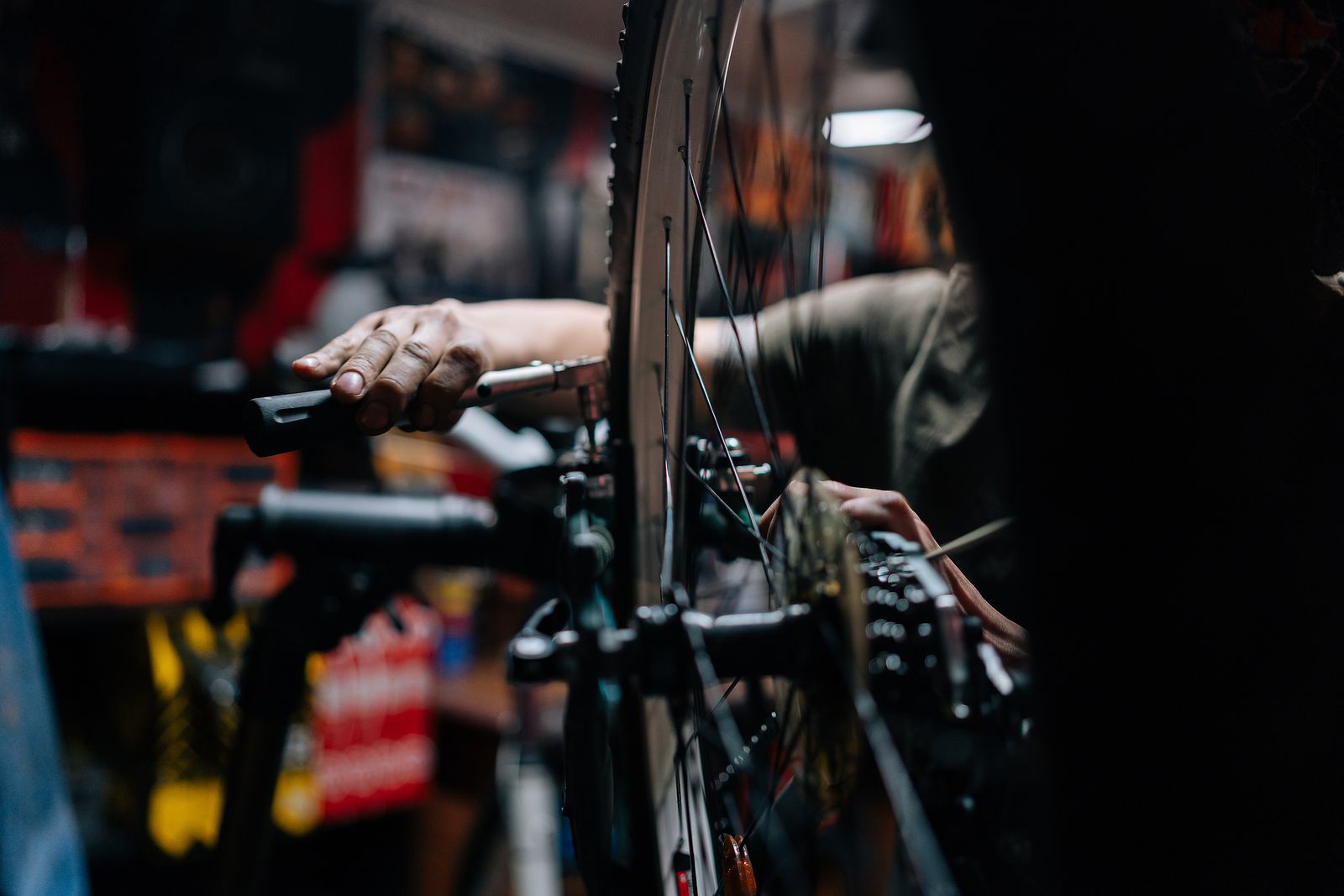
The primary reason Why Is It So Hard to Fix an Electric Bike is the sheer magnitude of liability risk facing independent bike shops. Unlike a standard bicycle, where a mechanic can confidently inflate a tire or true a wheel without fear of catastrophic failure, an electric bicycle introduces complex electrical systems that operate under the radar of traditional safety protocols. When a shop works on an uncertified vehicle that exceeds class limits, they are not merely repairing a machine; they are entering the product liability chain for a device that may be legally indistinguishable from a motorcycle or even a hazardous fire risk in the eyes of the law.
The statistics paint a grim picture of why shops are walking away. E-bike-related injuries have surged by over 1,020 percent between 2020 and 2024 according to hospital data, a trend that has made insurance carriers nervous about covering repair businesses. If a shop owner touches an uncertified battery or motor assembly and the rider subsequently suffers an injury, the shop can be held liable for damages far exceeding their revenue, potentially bankrupting the business overnight. This fear is not hypothetical; it has led to incidents where mechanics have suffered severe physical injuries, including lost fingers and torn tendons, when attempting to diagnose sensors that unexpectedly activate motors even during disconnection.
Consequently, many reputable shops have adopted rigid policies to protect themselves:
- Refusing service on any e-bike lacking UL 2849 certification, the industry gold standard for electrical safety.
- Declining to inflate tires or perform maintenance on vehicles that appear to exceed Class 3 speed limits (28 mph).
- Directing customers with uncertified purchases toward motorcycle shops, which often face identical liability hurdles regarding insurance and regulation.
The Wild West of Proprietary Parts and Regulations
Beyond the immediate dangers of fire and litigation, Why Is It So Hard to Fix an Electric Bike is also due to a complete lack of standardized parts. For over a century, the bicycle industry operated on a model where components were durable, interchangeable, and supported by robust supply networks. The introduction of mass-produced, online-first e-bikes during the pandemic shattered this ecosystem, replacing uniformity with a chaotic array of proprietary connectors, custom firmware, and obscure electronic controllers that require specialized diagnostic software to even identify.
Many of these vehicles, sold directly to consumers for prices as low as $1,000, are not true bicycles by regulatory definition but rather high-speed electric vehicles that mimic the form factor of a bike. Because they lack adherence to national standards like those proposed by PeopleForBikes, there is no guarantee that a motor from one manufacturer will fit the frame or controller of another. This fragmentation means that when a specific sensor fails or a battery cell degrades, the owner often finds themselves in possession of a vehicle with no available replacement parts and no access to the schematics required for repair.
Regulatory confusion further complicates this landscape. While 46 states adhere to a Class 1-3 distinction based on speed and power, individual state laws are rapidly diverging. In New Jersey, for instance, recent legislation has reclassified Class 2 and 3 e-bikes as "motorized bicycles," mandating insurance policies, registration, and even driver's licenses to operate them legally. Such patchwork regulations mean that a bike deemed legal in one jurisdiction may be an unregistered, uninsurable motor vehicle in the next, leaving local shops unable to offer service without risking their operating license. The result is a market where consumers buy products that manufacturers will not stand behind and retailers are terrified to touch.
How to Ensure Your E-Bike Is Repairable in 2026
The solution to this crisis lies entirely in consumer vigilance before the first ride, as Why Is It So Hard to Fix an Electric Bike is a question that must be answered by buyers today rather than repairers tomorrow. Reputable brands like Liv Cycling are beginning to address these issues by engineering their systems holistically, ensuring that batteries, motors, and software are designed to work seamlessly together from the factory floor. These manufacturers often provide authorized service networks where technicians have access to proprietary diagnostic tools and genuine spare parts, creating a closed loop of support that independent shops cannot replicate for uncertified machines.
For buyers navigating this treacherous market in 2026, the following steps are essential to ensure long-term viability:
- Prioritize e-bikes with UL 2849 certification to ensure the entire package has been tested by a third party for fire and electrical safety.
- Verify local serviceability before purchasing by calling nearby shops to ask if they will work on that specific brand or model.
- Inquire directly with insurance providers about coverage policies for e-bikes to avoid being left financially exposed in the event of an accident.
The gap between the sleek marketing of electric mobility and the gritty reality of maintenance is widening, but it remains bridgeable through informed purchasing decisions. By understanding Why Is It So Hard to Fix an Electric Bike, consumers can avoid becoming part of the statistic and ensure their ride remains a tool for freedom rather than a liability trap.