Why You Should Consider a Coros Watch Instead of a Garmin in 2026
The GPS running watch landscape has undergone a quiet but seismic shift since Garmin established its dominance over two decades ago, moving from a niche for ultrarunners to a global standard where the beep on race start lines is almost universally associated with the brand. For years, this monopoly meant that serious athletes had few alternatives if they wanted reliable data, robust training metrics, and long battery endurance. However, why you should consider a Coros watch instead of a Garmin has become a critical question for 2026 as that dynamic fundamentally changes. By this year, Coros has emerged not merely as a budget alternative but as a formidable competitor that prioritizes athletic performance over smartwatch gimmicks.
The current moment is pivotal because the definition of a "good" sports watch is evolving; where once consumers demanded offline maps, contactless payments, and voice assistants above all else, a growing demographic is now rejecting feature bloat in favor of pure utility. This shift has allowed Coros to carve out a distinct identity centered on battery longevity, precise training analytics, and aggressive pricing that forces industry incumbents to rethink their value propositions.
Endurance That Defies Modern Expectations
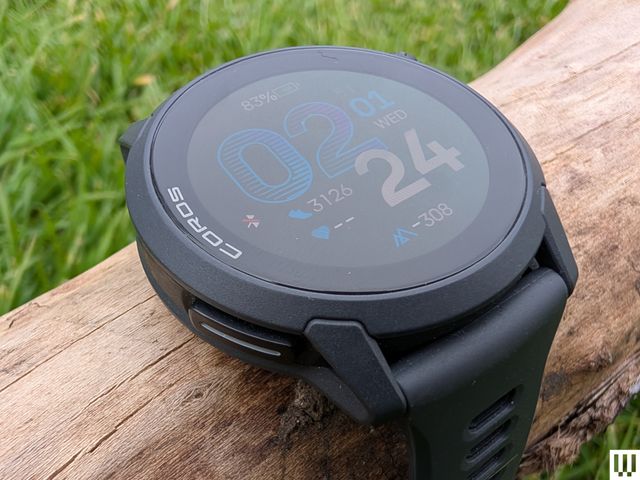
Coros has built its reputation on a philosophy that feels almost analog in a digital world: make the watch last as long as the athlete needs it to. The Coros Pace 4 exemplifies this approach, offering an astonishing 41 hours of GPS battery life with high accuracy enabled. This figure is more than double what competitors like the Garmin Forerunner 265 or the Forerunner 570 can deliver in similar modes, forcing a re-evaluation of how often users need to charge their devices during training cycles.
While Garmin pushes its AMOLED displays and complex smart features that drain power rapidly, Coros maintains a frugal power management strategy that allows for weeks of use without intervention on standard weekly runs. This endurance is not just about raw hours; it translates directly into reliability for ultramarathoners preparing for 24-hour events or hikers traversing multi-day trails where charging infrastructure is non-existent.
The advantages of this approach are clear when comparing the two brands:
- Battery longevity: The Pace 4 can handle a full marathon with GPS tracking and still have enough power left to monitor sleep and recovery overnight without needing a charge.
- Power efficiency: During testing, the device consumed only about 3 percent per hour during max-accuracy GPS activities, proving it is significantly more frugal than its Garmin counterparts in comparable modes.
- Hardware simplicity: The decision to use a durable AMOLED screen rather than an always-on transflective display allows for vibrant visuals without sacrificing the battery life that defines the brand's core identity.
This focus on stamina means the watch can be left in a drawer for weeks and picked up ready to go, echoing the reliability of the Nokia 3310 era but with modern GPS precision. For runners who train three or four times a week, the anxiety of charging is replaced by a sense of freedom where the device becomes an invisible extension of the athlete rather than a piece of tech requiring constant maintenance.
Performance Analytics Over Smartwatch Gimmicks
The trade-off for this incredible battery life and focus on endurance is a deliberate lack of smart features that have become standard in the Garmin lineup. The Coros Pace 4 functions strictly as a fitness, performance, and training tool, eschewing NFC payments, onboard music streaming services like Spotify or Apple Music, and voice assistant integration. This isn't a limitation born from engineering constraints but a strategic choice to keep the watch lightweight, affordable, and focused entirely on athletic output.
Athletes who prioritize data over notifications will find this approach liberating. The interface provides deep insights into training readiness, fatigue levels, and recommended recovery times without the distraction of incoming emails or social media alerts. Tools like Virtual Pacer, detailed marathon training plans, and fitness benchmarking with VO2 Max estimates are present alongside standard metrics for sleep stages, stress monitoring, and heart rate variability.
Key differences in functionality highlight why a runner might choose Coros:
- No app ecosystem: Unlike Garmin's Connect IQ store, there is no third-party app support, which eliminates the risk of buggy updates or bloated interfaces slowing down the watch during critical moments.
- Simplified input: The combination of a touchscreen, two physical buttons, and a digital crown allows for rapid data scrolling without the confusion of navigating complex smartwatch menus.
- Audio logging: A built-in microphone enables users to record voice memos post-run, capturing "eureka" training thoughts or immediate feedback that might otherwise be forgotten.
Navigation capabilities are present in the form of breadcrumb trails, though offline maps require a step up to the Coros Pace Pro. While Garmin's mapping tools offer greater depth for complex backcountry routes, the Pace 4 handles standard forest and urban navigation with equal competence. The lack of a front-facing flashlight is a minor inconvenience compared to the screen-based torch included on the device, which serves as a practical compromise for low-light scenarios without adding bulk.
The Value Proposition in a Premium Market
In an era where flagship sports watches frequently exceed $500 and even entry-level models command premium prices, Coros has positioned itself as the sensible choice for the performance-conscious consumer. At $249, the Pace 4 undercuts the Garmin Forerunner 165 while significantly undercutting older generations like the Forerunner 265 or 570. This pricing strategy allows athletes to access high-end training metrics without paying a "smartwatch tax" for features they never use.
The build quality reflects this value proposition, utilizing materials that feel solid yet remain lightweight at just 32 grams. While the plastic construction and slightly less scratch-resistant screen may not match the premium feel of some competitors, the trade-off is a device that remains affordable without compromising on core performance data. For those who care more about their split times than their notifications, the Coros Pace 4 represents the ultimate rational choice for serious training in 2026.