A single spoken command initiates a coordinated sequence: smart blinds descend, the thermostat settles at an optimal temperature, and lighting transitions from a harsh midday glare to a soft, evening amber. This level of seamless automation is the promised standard for the modern household. However, as we explore in WIRED’s Smart Home Ecosystem Guide (2026), achieving this requires navigating a fragmented landscape of competing platforms.
As we move through 2026, deciding which ecosystem to adopt has moved beyond mere brand loyalty. It now involves evaluating deep-side privacy policies, AI integration capabilities, and long-term subscription costs.
Evaluating the Major Smart Home Platforms
Amazon Alexa: The Power of Ubiquity
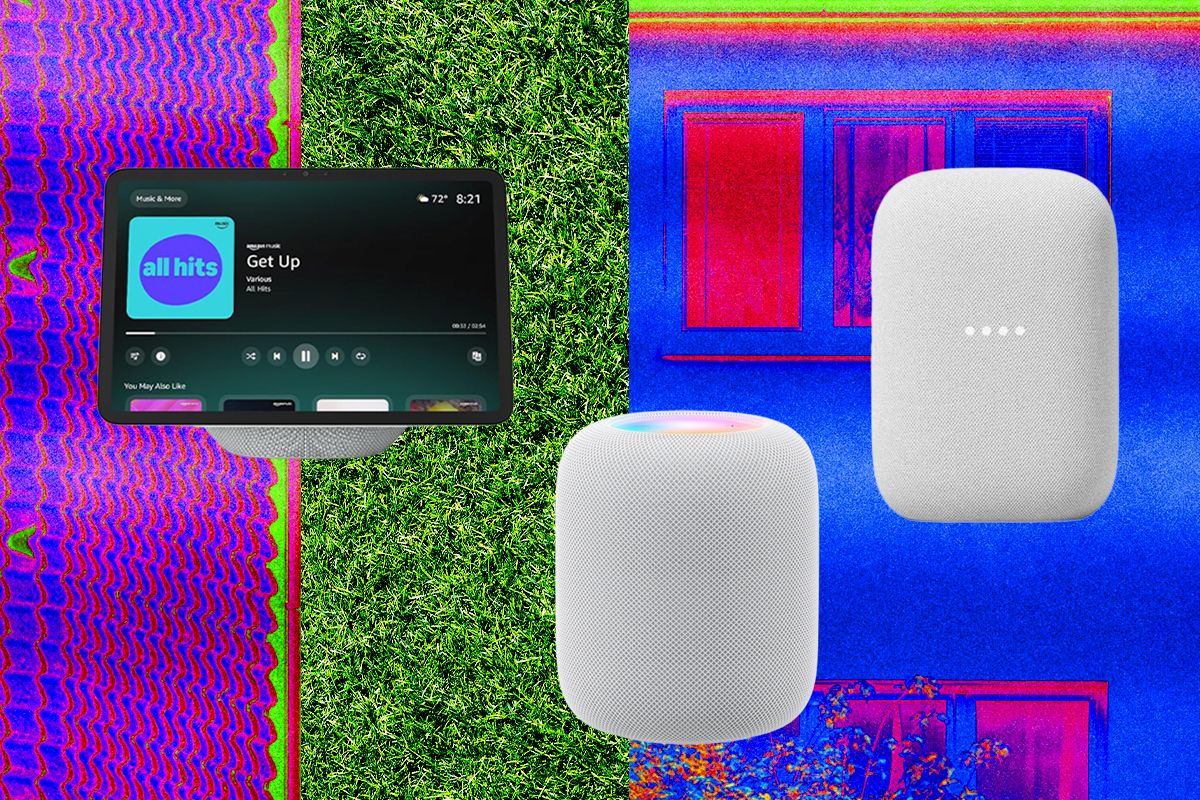
Amazon Alexa continues to hold the largest market share in the smart home sector, primarily due to its massive hardware catalog and low barrier to entry. The Echo lineup remains the most diverse on the market, offering everything from budget-friendly Echo Dots to high-fidelity Echo Studios and information-dense Echo Shows.
This variety allows users to sprinkle intelligence into almost any room without significant financial strain. However, this convenience comes with notable friction points regarding privacy and cost. The integration of Ring security devices remains a double-edged sword; while they pair effortlessly with Alexa, ongoing concerns regarding data privacy and law enforcement access persist.
Furthermore, Amazon has shifted toward a more aggressive monetization strategy. Users seeking advanced features now face the Alexa+ paywall, a monthly fee that complicates the cost-benefit analysis for budget-conscious homeowners. While the volume of compatible third-party devices is unmatched, managing multiple subscriptions can erode the "set and forget" appeal.
Apple Home: Security Through Isolation
For those already entrenched in the iOS ecosystem, Apple Home remains the gold standard for end-to-end encryption and user privacy. The primary strength of this platform lies in its "just works" philosophy, where an iPhone or Apple TV acts as a robust, secure hub.
Because much of the processing happens locally rather than in the cloud, the ecosystem offers superior latency reduction and data protection. This makes it a top recommendation for anyone following WIRED’s Smart Home Ecosystem Guide (2026) with a focus on security.
The historical criticism regarding Apple’s high cost of entry has been significantly mitigated by the widespread adoption of Matter. This universal standard allows affordable third-party manufacturers, such as Ikea, to provide compatible smart bulbs and plugs that function natively within the Home app. While hardware selection remains narrower, the stability provided by the ecosystem makes it the preferred choice for privacy-conscious users.
Google Gemini: The AI-Driven Frontier
The evolution of Google’s strategy has transitioned from a hardware-first approach to a software-centric one, centered around Google Gemini. As an AI-powered assistant, Gemini offers a more conversational and contextually aware experience than legacy versions of Google Assistant.
This shift makes the ecosystem particularly attractive to Android users who want their mobile device and home environment to operate as a single, intelligent entity. However, there are visible cracks in Google's hardware commitment. The discontinuation of smart displays in favor of strategic partnerships suggests a move away from proprietary Google-branded screens.
Additionally, accessing the most sophisticated features now requires a Google Home Premium subscription. While this tier simplifies management across devices, it represents another step toward the "subscription-only" reality of modern tech.
Essential Hardware for WIRED’s Smart Home Ecosystem Guide (2026)
To build a functional foundation in 2026, as outlined in WIRED’s Smart Home Ecosystem Guide (2026), certain hardware anchors remain essential regardless of your chosen platform:
- Smart Hubs: Devices like the Echo Show, HomePod Mini, or Nest Hub that serve as the central brain.
- Matter-Compatible Lighting: Affordable, interoperable bulbs from brands like Ikea to establish basic automation.
- Smart Plugs: Low-cost entry points for bringing "dumb" appliances into the digital fold.
- Biometric Security: Smart locks that offer both convenience and high-level encryption.
The era of the fragmented, uncoordinated smart home is ending, replaced by a landscape defined by interoperability and artificial intelligence. While the choice between Amazon, Apple, and Google may once have been about which phone you carry, it is now increasingly a decision about how much data you are willing to trade for convenience.