The Death of Vesemir: How a Shocking Witcher 3 Scene Defined a Developer’s Craft
For players who have not yet experienced The Witcher 3: Wild Hunt, one of the best single-player games of 2015, proceed with caution. If you have played it, you likely recall the harrowing moment that left the development team in stunned silence.
After a long journey across Velen, Novigrad, and Skellige, Geralt and his allies finally find relative safety at Kaer Morhen. The atmosphere shifts from desperate survival to a fleeting sense of normalcy. Players are squabbling with Yennefer, trading war stories with Eskel, and even composing poetry with Lambert.
Then, the Wild Hunt arrives.
In a gut-wrenching turn of events, the hunters put a blade in Vesemir, the Wolf School’s master and a father figure to Geralt. It was a moment so heavy that it reportedly wrenched the guts of the entire writing team.
Silence in the Development Team
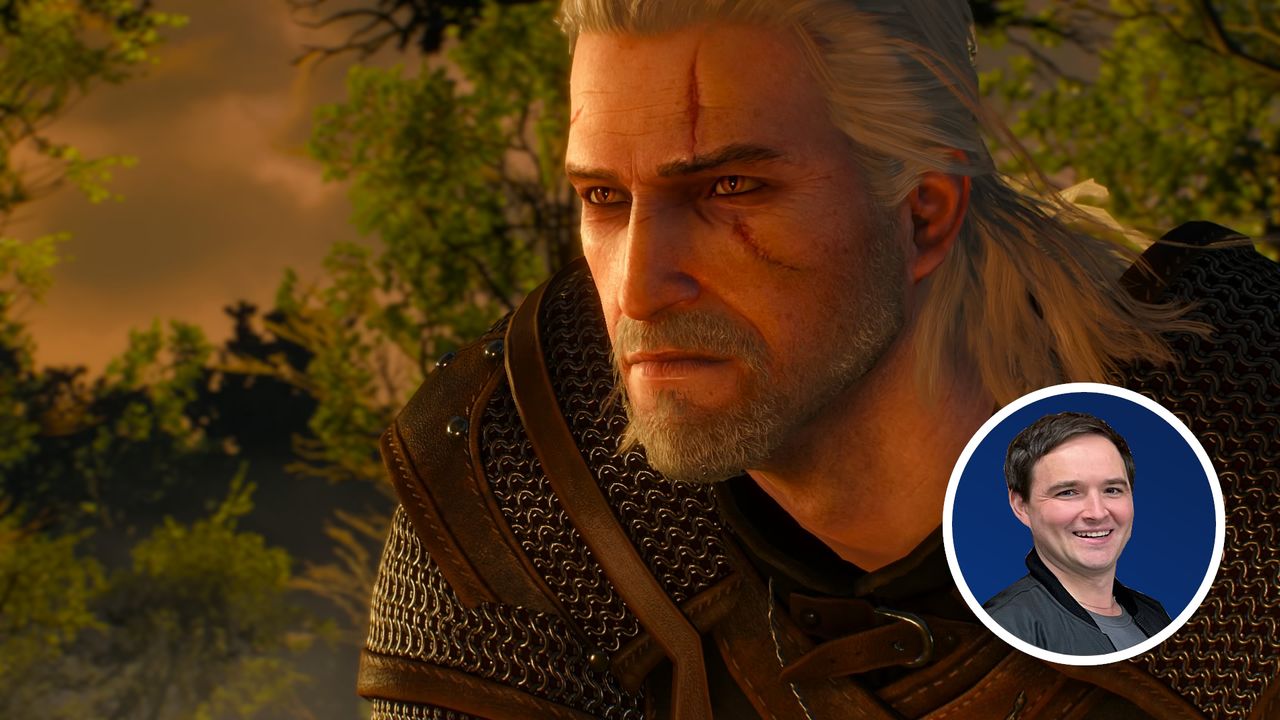
The impact of this scene on its creators is best illustrated by Paweł Sasko, the game’s lead quest designer and current associate game director on Cyberpunk 2. In a recent recollection on X, Sasko described the initial reaction when he suggested killing off the beloved elder witcher.
According to Sasko, the room fell into "wide eyes and silence."
Despite the sadness, the team recognized the narrative necessity of the act. They acknowledged that the weight of Vesemir’s death was exactly what the scene required. Specifically:
- Ciri’s Outburst: Her emotional breaking point needed a foundation of loss.
- The Turning Point: The moment she throws the Wild Hunt back required the floor to fall out from under her first.
CD Projekt Red moved forward with the kill, but the execution was far from simple. Sasko had to iterate through numerous prototypes to get the flow right.
Iterating on Tragedy
The design process was fraught with technical hurdles and unclear quest flows. Sasko described a grueling cycle of creation and rejection:
- Prototyping: He experimented with meteors, rifts opening in forests, and the Wild Hunt pouring out of them.
- Failure: Much of the initial work did not work due to technical issues.
- Rebuilding: Negative feedback forced him to rebuild the sequence repeatedly.
Gradually, the scene began to coalesce. Sasko noted that through repetition, he started to see why certain elements worked and others did not. It was through this painful process that he truly began understanding the craft of game design.
A Crucial Lesson in Narrative Design
If designing Vesemir’s death was the catalyst for Sasko’s growth, it explains the emotional depth found in Cyberpunk 2077 and its expansion, Phantom Liberty. As the lead quest designer for the former and quest director for the latter, Sasko brought this refined sense of tragic pacing to Night City.
The game is chock-full of difficult choices and somber moments, a testament to the lessons learned during The Witcher 3’s production. Sasko and his team proved exceptionally skilled at delivering these heavy narrative beats, perhaps to the point of being too effective.
The Joy of Creation
Despite the dark subject matter, Sasko insisted that the development process was a positive experience. He described a collaborative environment where designers were constantly sharing ideas and building on each other’s innovations.
Sasko recalled the process as a form of play:
"Designers are showing each other ideas in the team room. Someone solves a problem, someone else builds on top of it, someone else innovates and iterates. We are playing. We are putting cool things into a game we love."
While the team was "having the time of their lives" innovating, they were also engaged in the difficult work of killing off a grandfather figure to serve the story. It is a reminder that behind every impactful moment in gaming, there is a complex, iterative, and often painful process of design.