A Nostalgic Dive into the Wizards of the Coast D&D Cartoon Uploads
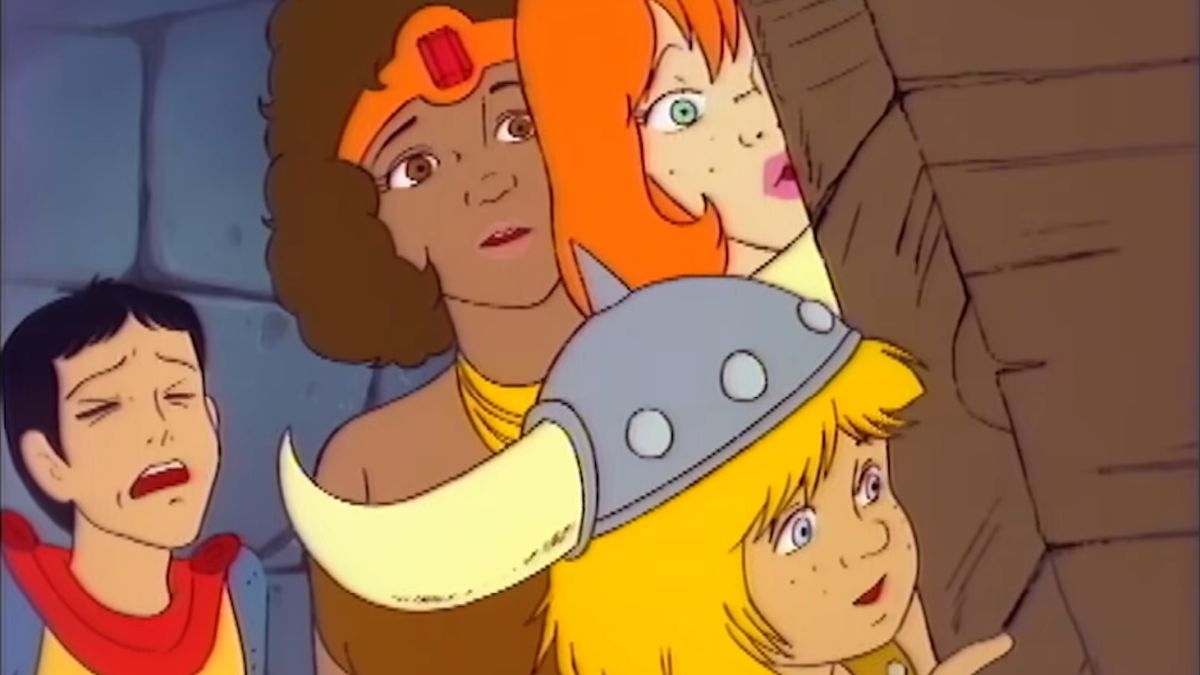
The crackle of a VHS tracking line gives way to the jarring, synthesized swell of a theremin-driven theme before the screen floods with cel-shaded heroes who are slightly too tall and monsters that move with a distinct, jerky stop-motion rhythm. This is not the lush, cinematic fantasy of Baldur's Gate 3 or the polished CGI of modern streaming; it is the raw, unpolished artifact of late-1980s animation where budget constraints dictated storytelling and visual clarity was secondary to action. Wizards of the Coast has begun uploading this specific iteration of Dungeons & Dragons, a weekly release strategy that serves as both a preservation effort and a stark reminder of how the franchise once looked through the lens of Saturday morning television.
For those seeking a vivid trip down memory lane, this initiative allows fans to revisit the Wizards of the Coast D&D cartoon upload series at their own pace. It is an opportunity to experience the unique charm—and occasional confusion—of a time when fantasy was delivered via analog signals and synthesized scores.
A Digital Archive of 1980s Animation Oddities
The current upload schedule reveals a methodical approach to reintroducing the series, with Wizards of the Coast releasing blocks of episodes on Fridays rather than dropping the entire catalog at once. The publisher has already made the first 11 of the original 27-episode run available on its official YouTube channel, inviting viewers to re-experience a production that was co-created by Marvel Productions and animated by Toei Animation in Japan. This collaboration produced a distinct visual identity shared with contemporaries like Spider-Man: The Animated Series and early iterations of The Transformers, characterized by bold outlines and a color palette dominated by primary hues.
While the animation quality often suffers from the era's limitations, the production boasts a voice cast that reads like a who's-who of iconic action figures:
- Peter Cullen, legendary for his role as Optimus Prime, provides the menacing vocal performance for the campaign leader Venger.
- Frank Welker handles the vocals for the dragon goddess Tiamat and the party's loyal unicorn, Uni.
The script often leans into high-concept absurdities typical of children's programming from that decade, featuring a plotline where Venger attempts to alter history by traveling back in time to ensure Germany wins World War II—a narrative choice that underscores just how unfiltered the storytelling could be during the Reagan era.
The Aesthetic and Cultural Context of the Original Series
Viewing these episodes today requires a specific mindset; they are best appreciated not as high-fidelity entertainment but as historical documents of what the Dungeons & Dragons brand meant to a generation of children in the 1980s. The series operates under its own internal logic, where the rules of the tabletop game are simplified for a five-to-eight-year-old audience. Creatures from the original Monster Manual—such as dragon turtles, beholders, and frost giants—appear with varying degrees of accuracy to their written descriptions, often taking on more whimsical or monstrous forms suited to the animation style rather than strict adherence to lore.
The production values reflect a time when television was viewed as a communal event for families, yet the content often pushed boundaries that would be unthinkable in modern media:
- The show's willingness to tackle dark themes like historical revisionism and the existential threat of eternal evil stands in stark contrast to the sanitized fantasy narratives dominating current pop culture.
- Venger serves as a persistent antagonist who operates with a level of cunning rarely seen in 80s cartoons, often manipulating events rather than relying solely on brute force.
Additionally, the animation style borrows heavily from Toei's work on other Marvel properties, resulting in fluid action sequences that occasionally clash with static backgrounds. Sound design relies on repetitive sound effects and a catchy but dated musical score that defines the atmosphere of the show. The series functions as perfect "stoner fodder" for modern viewers, offering a low-stakes viewing experience where the absurdity of the plot points provides entertainment value independent of narrative coherence. However, long-time enthusiasts will find themselves engaging in a different kind of activity: identifying refugees from the tabletop game's bestiary and analyzing how specific monsters were interpreted through the lens of 1980s animation directors who had never played the board game.
The Future of D&D Media Preservation
This archival initiative by Wizards of the Coast signals a broader shift in how the publisher treats its intellectual property history, treating the animated series not as a forgotten footnote but as essential viewing for understanding the franchise's evolution. By releasing episodes in curated blocks, the publisher encourages a slower, more deliberate consumption of media that demands attention to detail and historical context. The move suggests an acknowledgment that while modern RPGs and digital tools have elevated the tabletop experience, there is still a cultural resonance in the raw, unfiltered storytelling of the past.
As the upload series progresses toward its conclusion, it will likely prompt renewed discussions about how fantasy media has evolved from the era of VHS tapes to the age of streaming giants. The preservation of these episodes ensures that future generations can witness the transition of Dungeons & Dragons from a niche tabletop hobby into a global multimedia phenomenon, complete with all the stylistic quirks and narrative experiments of its early television adaptation. The 1980s may be gone, but through this digital curation by Wizards of the Coast, the spirit of that era's specific brand of fantasy remains accessible to anyone willing to adjust their tracking and tune in.