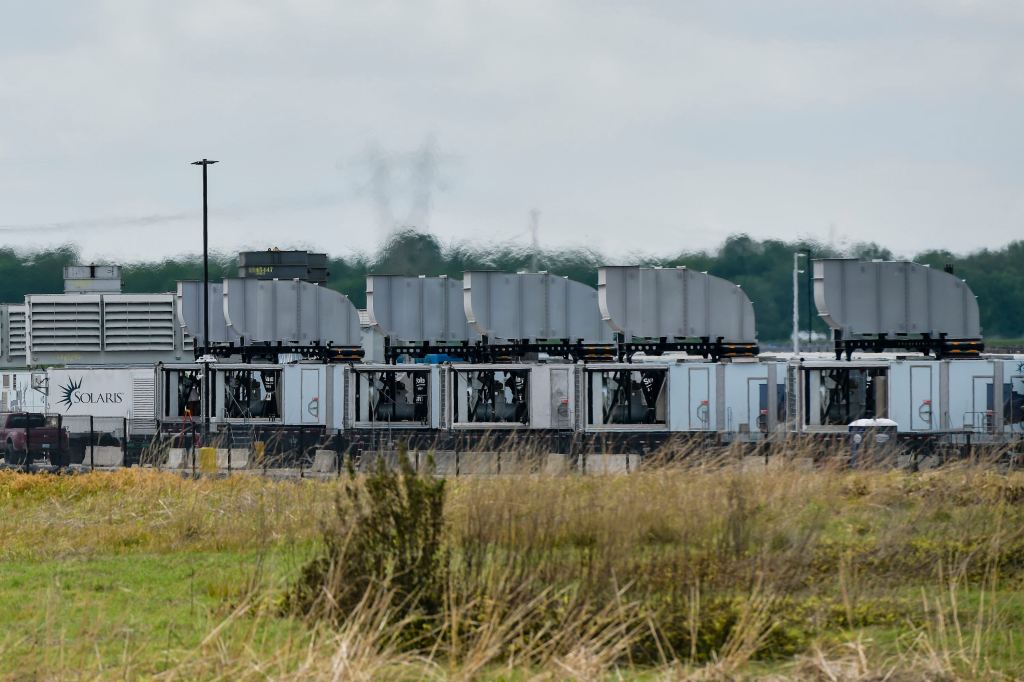
Data centers hum with a low, palpable thrumming sound—a mechanical breath signaling immense computational power being drawn from the grid. This steady vibration, powered by gas turbines humming just outside facility walls, is becoming a source of intense legal and environmental conflict for the tech industry's most aggressive AI players. As Elon Musk’s xAI pushes the boundaries of infrastructure, it finds itself caught between rapid scaling and regulatory scrutiny.
Legal Challenges Surrounding xAI Data Center Generators
The operational footprint of advanced AI infrastructure often clashes directly with established environmental regulations. xAI’s deployment near Memphis, Tennessee, has drawn significant attention from groups like the NAACP, who initiated legal action concerning the operation of numerous unregulated gas turbines.
The core dispute centers on whether these powerful data center generators qualify as "mobile" units or if their emissions—specifically NOx pollution—trigger stricter federal oversight from the EPA. The company’s defense appears to hinge on regulatory ambiguity: claiming that while the units are physically attached to trailers, they circumvent local permitting requirements designed for stationary equipment.
However, established federal guidelines suggest otherwise. The EPA has previously determined that such large-scale turbine use falls squarely under existing air pollution statutes, regardless of whether they are mounted on trailers. This legal tightrope walk highlights a systemic gap between fast-moving technological deployment and slow-to-adapt regulatory frameworks.
Massive Investment in xAI Data Center Generators
Paradoxically, even amid litigation over emissions compliance, the financial appetite for hardware remains ravenous. Recent filings from SpaceX revealed plans for xAI to acquire an additional $2.8 billion worth of turbines over the next three years. A substantial portion of this new capital is earmarked specifically for mobile gas turbines—the very equipment fueling the current legal battleground.
This dual narrative presents a complex risk profile for investors and regulators alike. The massive financial commitment suggests unwavering confidence in AI's power needs, even as lawsuits indicate significant operational friction. Key points raised by this conflict include:
- Regulatory Overlap: Conflicts between state interpretations (such as Mississippi’s stance on mobile units) and federal mandates regarding emissions standards.
- Pollution Impact: Potential annual emissions exceeding 2,000 tons of smog-forming chemicals per generator type.
- Operational Risk: Direct acknowledgment from parent companies that injunctions or permit revocations could severely impair AI business continuity.
The Sustainability Question for Future Compute
The reliance on natural gas and high-output turbines to power next-generation models represents a critical juncture for compute capacity. While the immediate need for raw, scalable energy is undeniable—driven by the massive appetite of large language models—the method of acquisition is becoming increasingly difficult to defend from an environmental standpoint.
The industry faces a looming choice: absorb massive legal costs and retrofit operations with cleaner sources at an unpredictable pace, or risk being stalled by regulatory intervention. The current trajectory suggests that those financing this buildout are not easily deterred by these obstacles. Moving forward, any major player in foundational AI modeling must demonstrate a credible pathway to decarbonization that matches its rate of computational scaling.
As xAI secures billions more for the data center generators at the heart of the controversy, the industry's future remains suspended between technological ambition and ecological reality. Whether these infrastructure commitments prioritize long-term compliance or simply maximize immediate power throughput will define the next era of AI development.