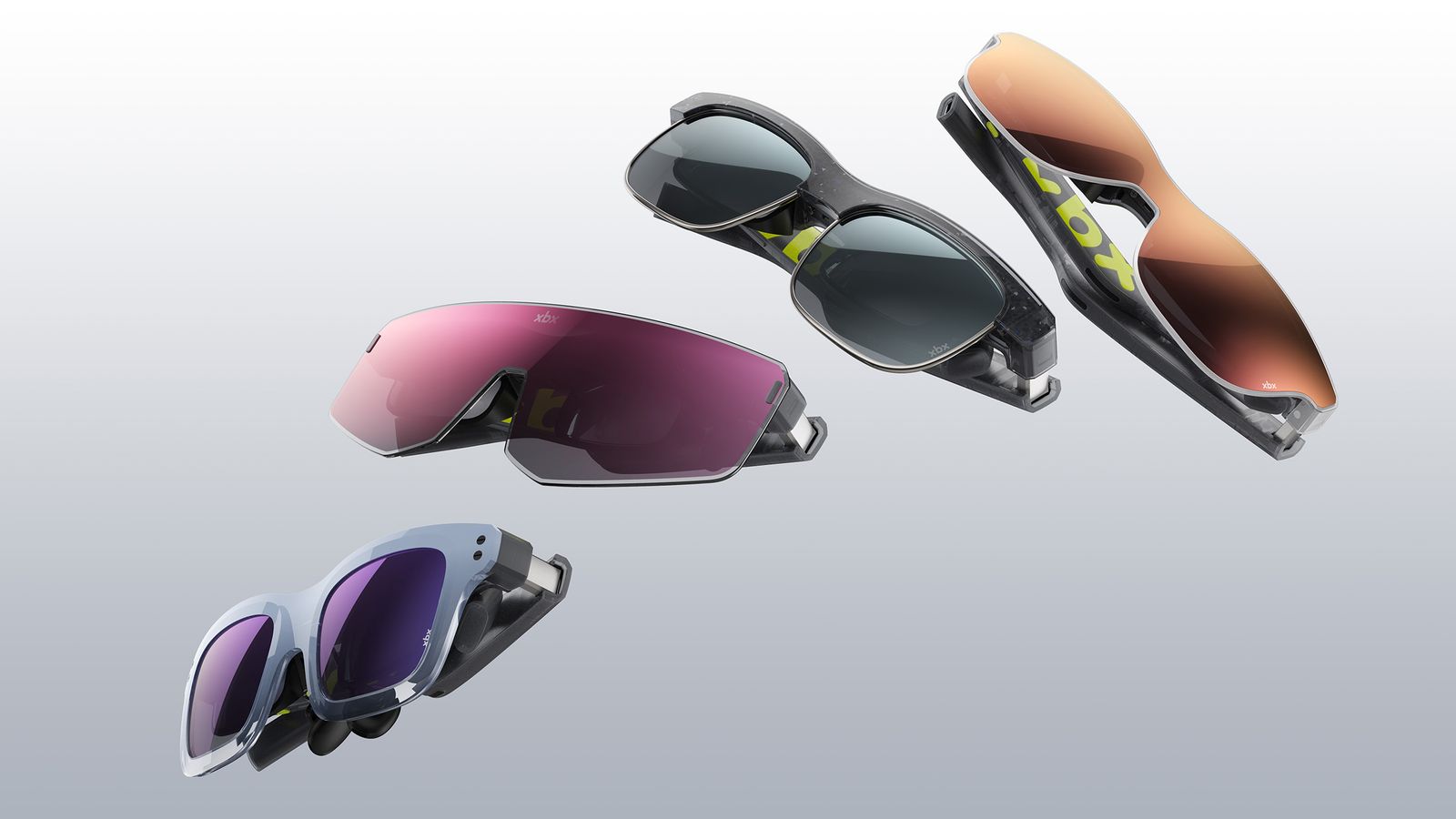
Xreal’s New $299 ‘xbx’ Smart Glasses Channel Xbox Vibes
The latest offering from XREAL lands at a price that has long been a barrier for mainstream AR. By launching the xbx at just $299, the company steps into a sweet spot between low‑end VR headsets and premium spatial devices like the Apple Vision Pro. This cost‑effective entry point signals XREAL’s intent to shift AR glasses from niche developer gear into everyday gaming gear, with a clear nod to Xbox design and ecosystem.
A Game‑Changing Price Point
At $299, the xbx sits directly beneath the Apple Vision Pro’s $349 base price, yet it offers a distinct value proposition. The model targets users who already own a smartphone, console, or PC, allowing the glasses to act as an external display rather than a standalone device. This strategy reduces parts costs while leveraging external processing power.
Key Takeaways
- Affordable entry into consumer AR
- Bridges console and mobile gaming
- Strategic price below premium spatial competitors
Design and Hardware Highlights
The physical form of the xbx echoes Xbox’s signature look: a matte black shell accented by subtle green lighting on the temple arms. This visual language instantly ties the glasses to Microsoft’s gaming brand, moving beyond generic tech aesthetics.
Core Specifications
- Display: Micro‑OLED panels, 1080 p per eye
- Field of View: ~46° diagonally – wide enough for immersive play without bulk
- Battery: Up to 3 h of continuous use
- Weight: ~72 g (without corrective lenses)
- Connectivity: USB‑C for video input and charging; dedicated volume and power buttons
The balanced counterweight system and ergonomic fit make extended gaming sessions comfortable, while the USB‑C port keeps the device future‑proof and easy to pair with a variety of sources.
Seamless Xbox Integration
One of the xbx’s strongest selling points is its deep integration with the Xbox ecosystem. The glasses come pre‑loaded with Xbox Cloud Gaming support, letting Game Pass Ultimate subscribers stream titles directly to the AR display without a console.
- Hybrid play: Use a physical Xbox controller while viewing content on the virtual screen.
- Voice navigation: Tuning for Xbox Voice allows hands‑free menu control.
- Performance tuning: Quick‑access overlays adjust refresh rates, enable variable refresh, and manage input latency—crucial for shooters and fast‑paced games.
The result is a portable, console‑like experience that can transform any surface into a gaming monitor, bringing high‑quality visuals to the palm of your hand.
Market Impact and Future Outlook
By positioning the xbx at $299, XREAL directly competes with mid‑range AR devices such as Meta’s Quest series, but it prioritizes display‑only functionality over mixed‑reality experiences. This approach keeps manufacturing costs low, though it requires users to own a compatible smartphone or console.
XREAL plans to release prescription‑compatible lenses by mid‑2026, addressing a major barrier for non‑20/20 users and potentially broadening the device’s appeal. As cloud gaming adoption rises globally, an affordable, Xbox‑centric AR solution could accelerate mainstream AR adoption. The xbx demonstrates how targeted features and strategic partnerships can carve out a sustainable niche in the evolving spatial computing landscape.