Zuvi ColorBox Review: A Hair Dye Printer That Struggles with Reality
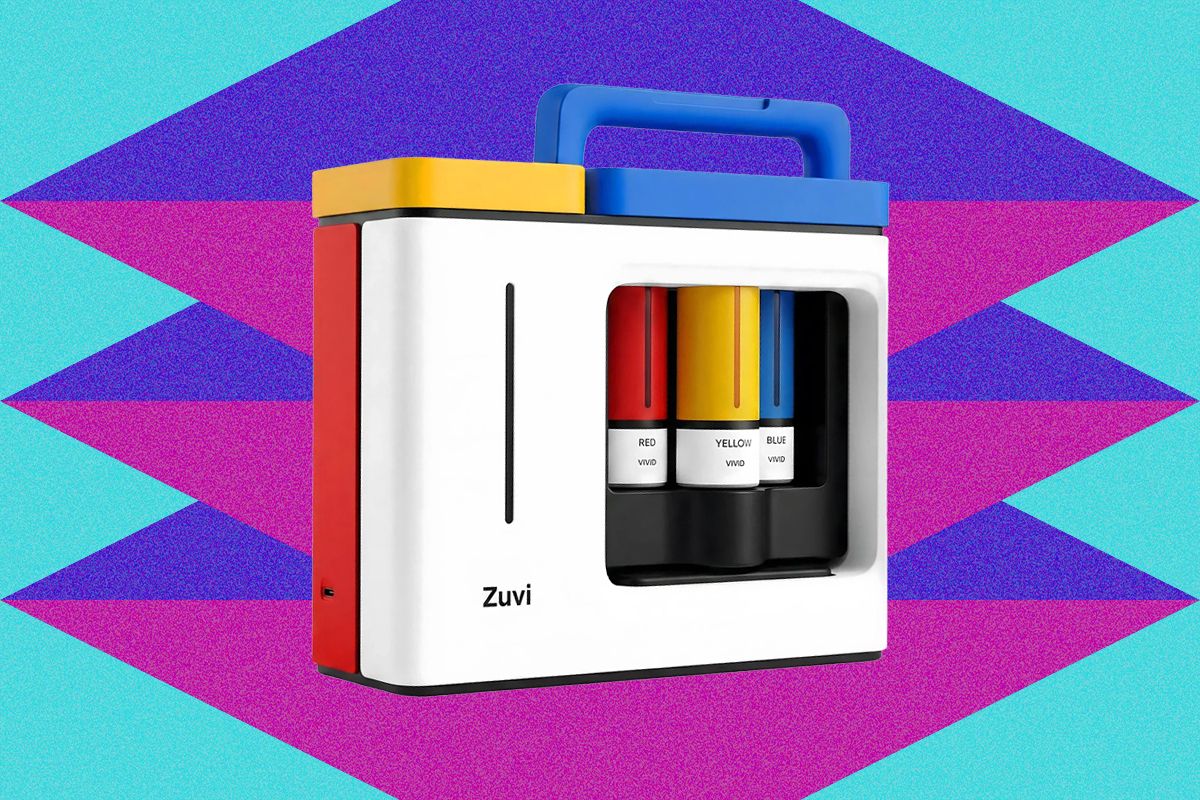
The Zuvi ColorBox hums with a deceptive confidence, its nozzle poised to dispense the "perfect" neon pink after a dozen failed attempts to extract yellow pigment from its cartridge. For twenty minutes, the device's app confidently displays a progress bar stuck at 91 percent while the user taps frantically on a color picker that demands access to an entire photo library for a single pixel selection. When the machine finally sputters out a mixture of base white and magenta-tinted red, the result is a washed-out, pastel sludge that bears little resemblance to the vibrant hue chosen from the digital swatch. This frustrating sequence encapsulates the core failure of Zuvi's hair dye printer: a device promising hundreds of custom shades struggles to deliver even two reliable ones without significant user intervention and compromise.
The Gap Between Promise and Pigmentation
Zuvi's marketing materials tout a sleek, compact machine capable of mixing any shade from over 1,000 preconfigured options or by analyzing an uploaded image of the desired color. However, the physical reality of the device often contradicts this digital optimism, particularly when dealing with saturated fashion colors that require specific pigment ratios. The proprietary color cartridges rely on a primary color system that simply cannot replicate the intensity of modern semi-permanent dyes found in local beauty supply stores. Even with pre-lightened hair extensions used as a test bed, the output consistently leans toward muted pastels rather than the eye-watering blues and pinks that define the current trend cycle.
The user experience is further mired by an app that feels more like a beta experiment than a polished consumer interface. Key features that should be intuitive are buried under confusing prompts and overly aggressive permissions requests. The color-matching algorithm, which relies on generative AI to predict results, frequently misinterprets basic color theory, leading users toward disastrous combinations without adequate warnings.
- App Permissions: The software demands access to all phone photos just to select a single pixel for color extraction, a barrier that feels intrusive rather than helpful.
- Color Precision: Users can tweak recommended shades on a digital wheel, but the physical output rarely matches the visual selection, often resulting in "dishwater brown" tones when mixing incompatible colors like pink and green.
- Hardware Limitations: The lack of a dedicated black cartridge or CMYK system means darkening shades is impossible without diluting existing colors into murky grays.
Hardware Shortcomings and Proprietary Traps
Beyond the software frustrations, the physical build of the ColorBox reveals significant cost-cutting measures that undermine its premium price point. The unboxing experience sets a tone of disappointment immediately, with included accessories feeling cheap and incomplete for a device marketed as a sophisticated beauty tool. A cracked mixing bowl, a flimsy whisk, and a tint brush so small it is practically useless suggest that Zuvi has prioritized the machine's internal mechanics over the user's actual application process.
The lack of essential components like a wall adapter further alienates users who expect a complete package at this price tier. The reliance on proprietary cartridges creates a long-term financial trap, as the cost of refills quickly escalates beyond the price of standard dye bottles. If the company falters or discontinues the product line, the machine becomes an expensive paperweight with no way to source compatible dyes from third-party manufacturers.
While the resulting mixture smells pleasant and avoids the harsh chemical odors typical of traditional dyes, this sensory perk cannot compensate for the failure to deliver a vivid, long-lasting color. The expectation that a user can easily replicate professional-grade results through a gamified app is misplaced; hair dyeing remains a complex chemical process where precision matters more than digital selection.
The Verdict on Custom Color
The Zuvi ColorBox represents a fascinating technology that, in its current iteration, fails to meet the basic needs of consumers seeking custom hair colors. The gap between the AI's theoretical capabilities and the mechanical reality of ink dispensing is too wide for this product to bridge effectively. For anyone looking to achieve bold, fashion-forward shades, the device offers neither the accuracy nor the cost-efficiency required to justify its purchase.
Future-proofing remains a major concern, as the closed ecosystem ensures that users are locked into Zuvi's expensive refills with no alternative pathways for maintenance. The generative AI used in marketing and app interfaces creates false expectations about color outcomes, leading to frustration when real-world results diverge from digital renderings. While the concept of an at-home dye printer has merit, particularly for those who frequently change hair streaks or dye extensions, the execution here falls short of making it a viable alternative to established beauty supply products.
Ultimately, the Zuvi ColorBox is a device that struggles to justify its existence in a market where manual mixing offers superior results for less money. Until the company can resolve issues with pigment accuracy, app reliability, and hardware completeness, it remains an unimpressive entry in the beauty tech space. For now, those seeking custom shades are better off relying on their own color theory skills or visiting a professional, rather than entrusting their hair to a machine that cannot even dispense yellow reliably.