D2: A Pioneering Survival Horror Experience on the Dreamcast
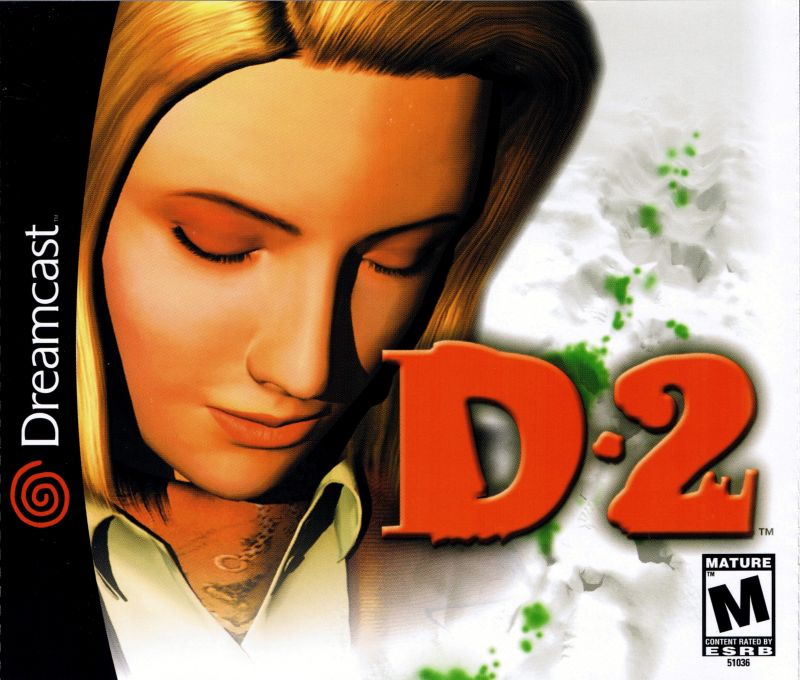
D2 stands as a significant, albeit cult-followed, entry in the history of the Sega Dreamcast. Released in North America in August 2000, this survival horror title was developed by the innovative studio WARP and published by Sega. It serves as the third and final chapter in the "D series," following D and Enemy Zero. Written and directed by the visionary Kenji Eno, D2 continues the franchise’s exploration of digital consciousness and virtual reality, starring the digital actress Laura. As WARP’s last game before the studio rebranded to Superwarp and shifted its focus to online network services, D2 holds a unique place in gaming history as a bridge between traditional game development and the emerging internet age.
Genre and Gameplay Mechanics
While often categorized under the broad umbrella of adventure and survival horror, D2 distinguishes itself through its unconventional gameplay mechanics. Unlike traditional horror games that rely on resource management or combat, D2 focuses heavily on exploration and interaction within a digital, virtual world. Players navigate through a series of abstract and surreal environments, solving puzzles that require a deep understanding of the game’s logic and the nature of the digital realm.
The game’s interface is minimalist, reflecting its theme of a character existing within a computer system. Players control Laura as she interacts with other digital entities and navigates the shifting landscapes of the virtual world. The lack of combat forces players to rely on observation and critical thinking, making the experience more cerebral than visceral. This approach was groundbreaking at the time, offering a unique take on the survival horror genre that emphasized atmosphere and narrative over action.
Story and Setting Overview
Although D2 serves as an independent story unrelated to its predecessors, it shares the same thematic core. The narrative delves into the concept of digital life, exploring what it means to exist as a consciousness within a computer. Laura, the digital actress, finds herself in a strange, glitching world where the boundaries between reality and simulation blur. The story is told through a mix of visual cues, environmental storytelling, and interactions with other characters, who are also digital constructs.
The setting is a key component of the experience, with environments that shift and change in response to the player’s actions. This dynamic world-building creates a sense of unease and wonder, as players never quite know what they will encounter next. The narrative is open to interpretation, encouraging players to draw their own conclusions about the nature of the world Laura inhabits and the implications of digital existence.
Notable Features and Appeal
One of D2’s most notable features is its artistic direction and use of digital aesthetics. The game’s visuals, though limited by the hardware of the Dreamcast, are striking and memorable, with a style that feels both futuristic and timeless. The sound design complements the visuals, creating an immersive atmosphere that enhances the sense of mystery and tension.
The game’s appeal lies in its uniqueness and its willingness to challenge player expectations. For fans of experimental and narrative-driven games, D2 offers a deeply engaging and thought-provoking experience. It is also of interest to gaming historians and enthusiasts who appreciate the Dreamcast’s role in pushing the boundaries of what games could be. While the game may not have achieved the commercial success of some of its contemporaries, its influence can be seen in later titles that explore similar themes of virtual reality and digital identity.
Platform Availability
D2 was originally released for the Sega Dreamcast, a platform known for its innovative games and online capabilities. The game was published by WARP in Japan in 1999 and by Sega in North America in 2000. For modern players, D2 is available through various digital distribution platforms, allowing new audiences to experience this unique piece of gaming history. Its availability on the Dreamcast highlights the console’s role in supporting a diverse range of genres and styles, even as it faced increasing competition from other platforms.
Who It Appeals To
- Survival Horror Fans: Those who enjoy atmospheric and narrative-driven horror experiences will find D2’s approach refreshing and engaging.
- Adventure Game Enthusiasts: Players who appreciate puzzle-solving and exploration will be drawn to the game’s cerebral challenges.
- Gaming Historians: The game’s significance as WARP’s final entry and its exploration of digital themes make it a valuable subject for study.
- Dreamcast Collectors: Fans of the console will value D2 as a rare and distinctive title that showcases the system’s unique capabilities.
D2 remains a fascinating and influential game, offering a glimpse into the creative possibilities of the Dreamcast era. Its blend of survival horror, adventure, and experimental design continues to captivate players who seek out games that challenge and inspire.