The announcement of Silent Hill f brought a massive wave of hype to the horror community, specifically due to the involvement of legendary horror novelist ryukishi07. It appears the developer wasted no time bringing that creative vision to life.
Preserving the Core of ryukishi07's Vision
During GDC, director Al Yang shared insights with PCG's senior editor Wes Fenlon regarding how much of the original writing survived the development process. While much of the game evolved, the foundational elements remained remarkably consistent.
According to Yang, the script underwent a limited number of changes:
- The final version went through approximately three to three and a half full revisions.
- About 60% of the script remained unchanged throughout production.
- This 60% represented the essential core themes and key narrative beats.
"He is a super fast writer, and he's a very detailed kind of guy, too," Yang noted, highlighting why the fundamental story stayed so stable.
Navigating Development Hurdles in Silent Hill f
While the narrative bones were strong, the development of Silent Hill f faced significant challenges regarding location accuracy and technical limitations. The team had to balance ambitious storytelling with the practical realities of a game budget.
Ensuring Cultural Authenticity in Locations
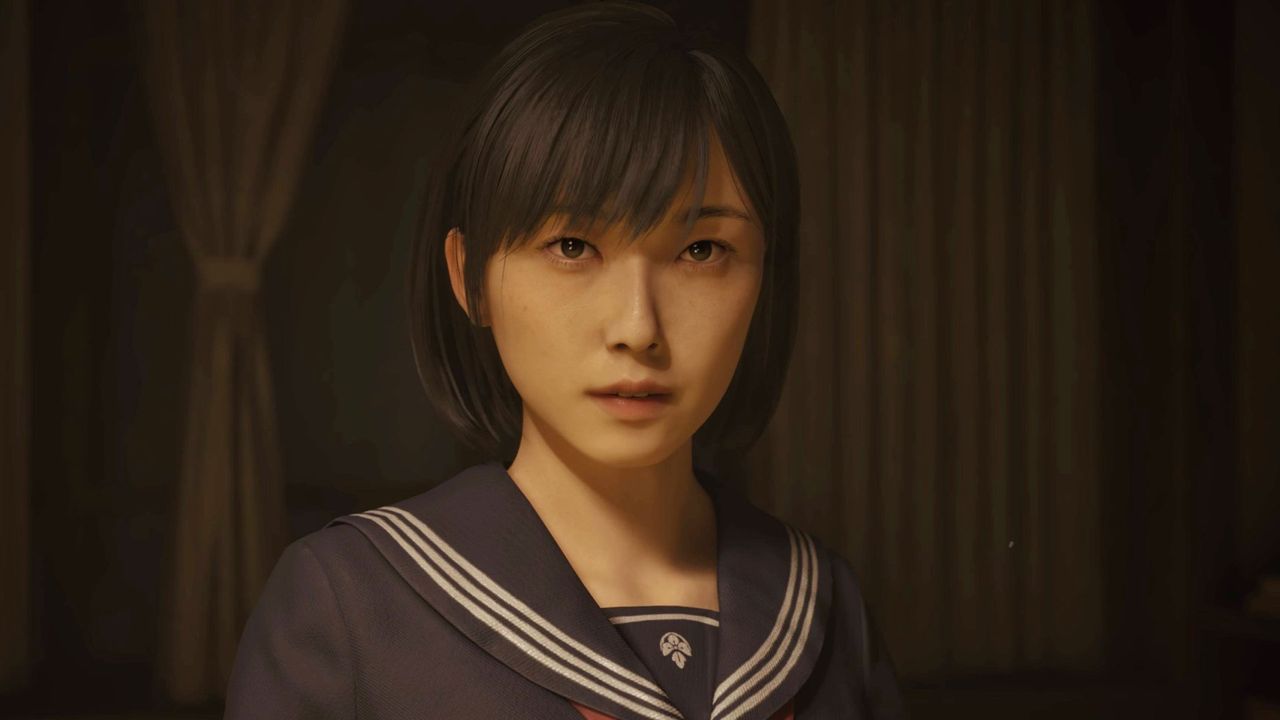
One major area of adjustment involved the game's setting. While the original script left several locations open, the team eventually decided to implement a school setting to facilitate scenes between characters Hinako, Sho, and Rinko.
However, achieving the correct atmosphere required strict oversight from Konami. While developers at NeoBards initially used templates inspired by the Midwich Elementary School from previous entries, the layout needed a complete overhaul.
"Japanese schools have a very particular layout, or windows and hallways are supposed to be a specific way," Yang explained. He noted that after they accidentally implemented a different style, Konami intervened to ensure the Japanese school identity was authentic.
Translating Script to Screen Under Pressure
The most significant struggle involved the disparity between high-concept writing and actual production capabilities. Writing detailed scenes is one thing, but rendering them in a 3D engine requires immense resources.
Yang admitted that many ideas were scaled back due to time and money: "So a lot of the cut scenes, for instance, we talked about like budget wise, this is really cool, what you're writing here, but these are just words. If we actually show this, it's gonna take three months to build."
To manage this, the team had to work backwards, finding ways to preserve the "intent" of the script within their existing space. Despite these constraints, the final product features impressive moments, such as the Ebisugaoka in Silence boss fight, where Hinako battles the Tsukumogami and the Kyubi on a stunning astral plane.