The Sleepless Nights Behind Silent Hill f's Production
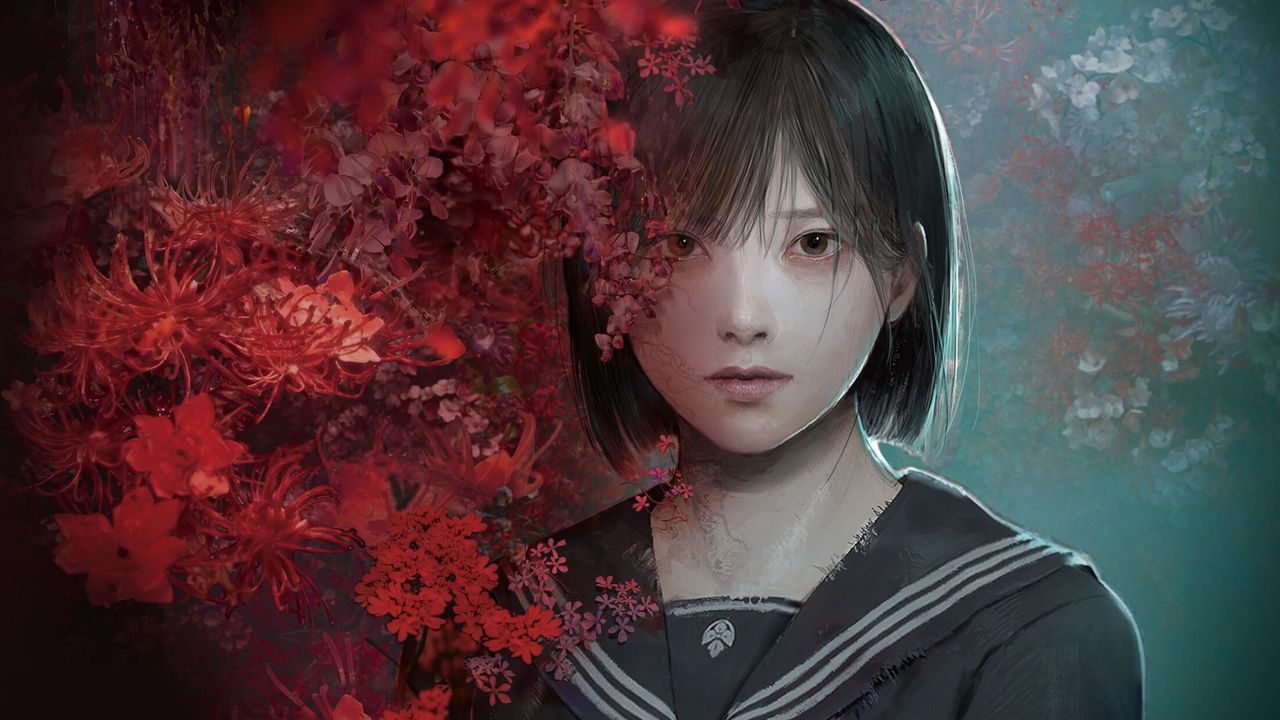
The announcement of Silent Hill f sparked a mix of excitement and anxiety, with the focus squarely on whether this new installment could live up to the legacy fans had waited over a decade for. While the community was eager for more than just a PS5 demo, many remained skeptical about a game set in Shōwa-period Japan managing to capture the magic of the classics. This immense pre-release pressure took a significant toll, with director Al Yang revealing later that he "didn't have a good night's sleep" from the day he signed the project until reviews dropped. The stress was palpable as the team at NeoBards Entertainment navigated high expectations while balancing creative limitations on budget, story, and setting.
Balancing Fan Expectations with Creative Vision
Yang admitted that being a fan of the series himself added another layer of pressure during development. He questioned what he, as a community member, wanted to see most, ultimately deciding that atmosphere was the one non-negotiable element they could not touch. "Even though we're changing things, even though it's a completely different setting, it has to be recognisable to the fans," Yang explained during his talk at GDC with PCG senior editor Wes Fenlon. This commitment to maintaining the series' core identity allowed Silent Hill f to create a convincing experience despite moving away from the titular town entirely.
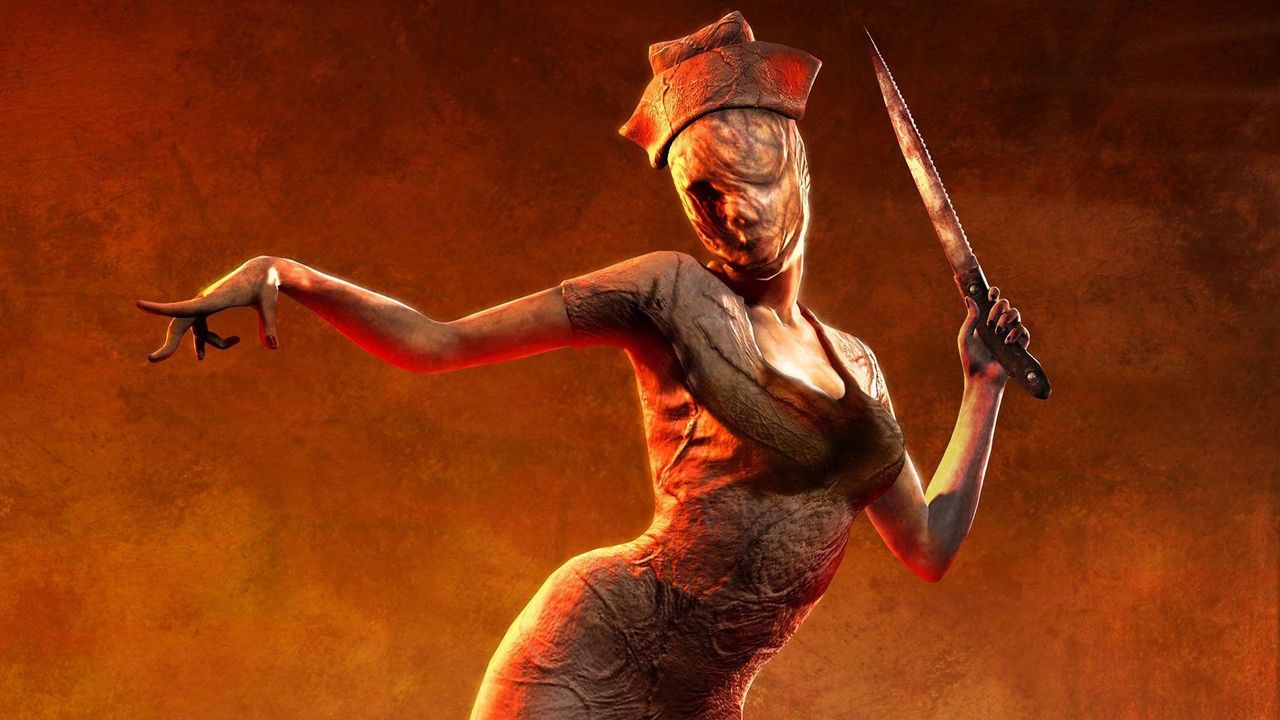
The result was a title that clearly nailed the required atmosphere, proving that the shift to 1950s Japan did not dilute the horror. While the game introduced welcome changes like the removal of firearms and the inclusion of action-oriented combat mechanics such as counterattacks and dodges, it stayed true to the twisted monsters and themes of mental anguish fans expect. This delicate balance was achieved through an open dialogue between the developer and publisher Konami throughout the production cycle.
The Collaborative Process Behind a Successful Sequel
The key to successfully pulling off these changes lay in constant communication regarding what parts were negotiable and which were absolute requirements. Yang noted that weekly meetings with their partners ensured both sides voiced concerns, fostering an environment of mutual respect. "We'd be telling them our concerns—they were really good partners to work with," Yang stated, emphasizing that the shared goal was simply to avoid making a bad game. This collaborative approach allowed NeoBards Entertainment to deliver a product that honored the past while boldly stepping into a new era for Silent Hill f.
The final outcome reflects this dedication:
- A shift from traditional survival horror to include action elements like dodging and counterattacks.
- The complete absence of firearms, forcing players to rely on stealth and environmental interactions.
- An unwavering commitment to the series' signature atmospheric dread and psychological themes.
Ultimately, the sleepless nights and intense pressure resulted in a game that feels both fresh and authentically Silent Hill, satisfying the community's hunger for quality while respecting the boundaries set by the franchise's history.