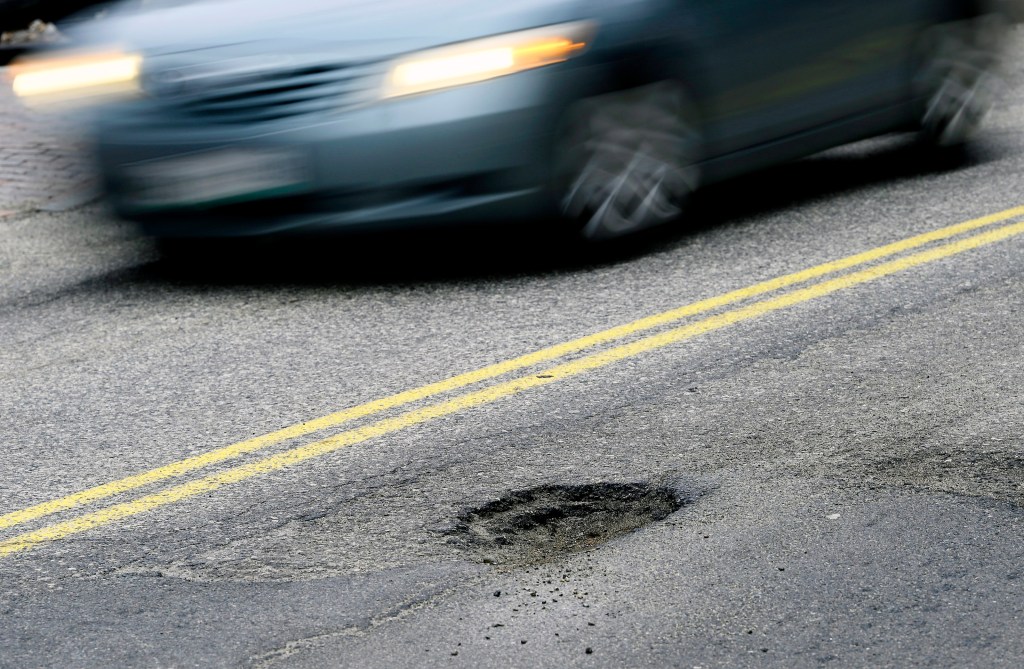
Potholes cost municipalities billions of dollars every year in vehicle damage and safety liabilities. However, a technological shift is underway: AI is turning connected cars into pothole-finding machines, transforming modern vehicles from mere transport tools into real-time data sources for city planners.
A recent pilot program between Waymo and Waze has already expanded beyond simple passenger safety to include municipal infrastructure reporting. This sets a massive precedent for how autonomous systems can serve as active participants in public works.
From Reactive Fixes to Proactive City Management
The industry is moving away from waiting for complaints and toward predictive maintenance. Samsara’s “Ground Intelligence” platform exemplifies this shift by repurposing fleet cameras into sophisticated municipal sensors. These sensors detect and track pothole formation with high levels of accuracy.
By leveraging a decade of investment in driver monitoring, Samsara has developed a model capable of distinguishing between various pothole types and monitoring how they deteriorate over time. This technology creates dense data nets that reveal infrastructure patterns previously invisible to city crews.
Key capabilities of this AI-driven approach include:
- Real-time mapping of emerging road defects via instant dashboard alerts.
- Historical trend analysis to prioritize repairs based on frequency and severity.
- Anonymized video verification to corroborate reports made by citizens.
- Expansion into adjacent domains, such as detecting graffiti or checking guardrail integrity.
The Future of Distributed Inspection Networks
Instead of dispatching workers based on scattered 311 calls, municipalities can now plan systematic sweeps guided by predictive analytics. This transition allows for budget allocation based on quantifiable risk metrics rather than anecdotal complaints. Because AI is turning connected cars into pothole-finding machines, cities can reduce response latency and improve overall driver safety.
The scope of this technology extends beyond simple road repair. Samsara’s “Waste Intelligence” module, for example, helps waste management firms confirm collection events without needing intrusive site visits. Similarly, transportation authorities are using digital manifests for school buses to receive anomaly alerts during unexpected boarding incidents.
As these systems become more integrated into urban life, several challenges and opportunities will emerge:
- Regulatory Frameworks: Cities must address data privacy and interoperability standards.
- Liability Allocation: Determining responsibility when automated observations inform infrastructure decisions.
- Algorithmic Transparency: Maintaining public trust through clear decision-making processes.
The trajectory of the industry points toward a broader ecosystem where autonomous vehicles function as distributed inspection networks. In this new reality, routine transportation becomes a continuous feedback loop for civic improvement, turning road hazards into vital signals for urban resilience.