The unchecked concentration of market power within India’s Unified Payments Interface (UPI) ecosystem has reached a critical tipping point. In a massive industry shift, Amazon, Meta join the fight to end Google Pay and PhonePe dominance in India through an unprecedented lobbying effort.
A coordinated group of technology heavyweights—including Amazon Pay, Meta (via WhatsApp), and Flipkart’s Super.money—is preparing to challenge the entrenched position of Walmart-owned PhonePe and Google Pay at the National Payments Corporation of India (NPCI). This confrontation represents a significant attempt to reshape the competitive landscape of one of the world's most successful real-time payment networks.
The Rise of a Digital Duopoly
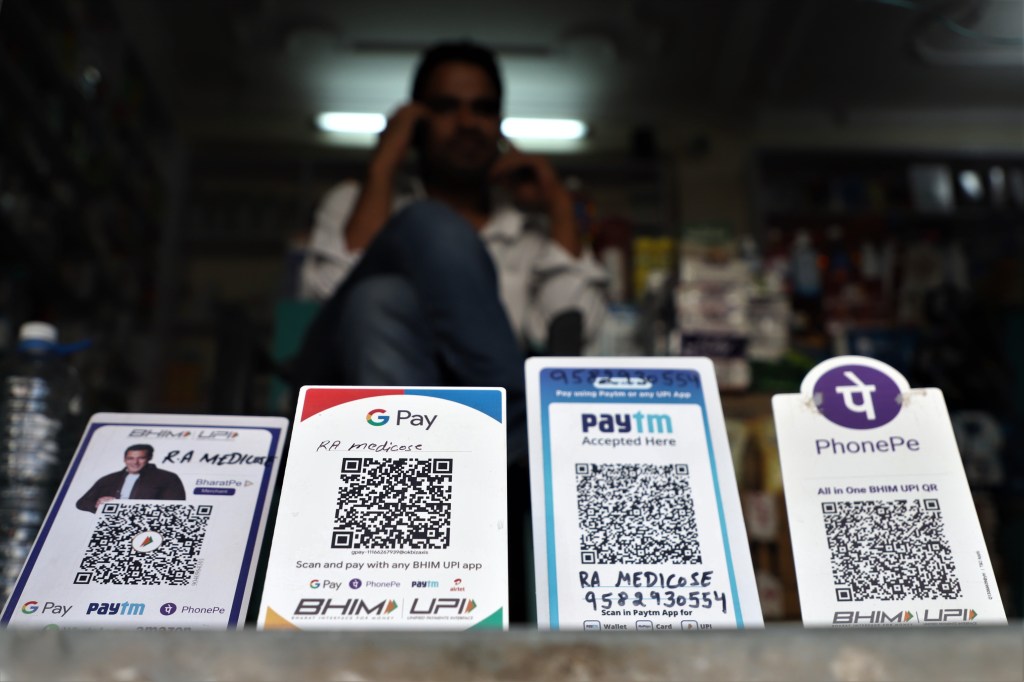
The scale of the current market imbalance is stark when viewed through transaction volume. Recent data from the NPCI reveals that PhonePe and Google Pay collectively controlled approximately 80% of the 22.6 billion transactions processed on the UPI network in March. Such high levels of concentration create significant barriers to entry for smaller fintech players.
This dominance has been further solidified by a regulatory reprieve regarding market share caps. A year ago, Indian regulators considered implementing a 30% market share cap on UPI applications to prevent any single player from becoming "too big to fail."
However, this measure was officially deferred until December 31, 2026. This delay effectively grants the current leaders a two-year window to further entrench their positions and expand their merchant networks.
The scale achieved by PhonePe is particularly difficult to disrupt. With over 700 million registered users and a presence in more much than 98% of India's postal codes, the platform has built a powerful moat. For rivals like CRED, MobiKwik, or Paytm, competing against this level of pervasive merchant acceptance is about overcoming a massive physical and digital footprint.
How Amazon and Meta Plan to End Google Pay and PhonePe Dominance
The upcoming meeting with the NPCI is not merely a request for attention; it is a structured attempt to overhaul the rules of engagement. Executives from various platforms are expected to present a detailed agenda focused on addressing perceived anti-competitive practices and structural disadvantages.
The lobbying efforts center on several key operational areas:
- User Acquisition Practices: Proposing stricter regulations on how dominant players use existing ecosystems to onboard new users.
- Data Usage Restrictions: Limiting the ability of incumbent apps to leverage contact data and device information for an unfair advantage.
- Feature Parity: Ensuring equitable access to critical UPI features, such as autopay functions and payment mandates.
- Regulatory Incentives: Requesting specific support or subsidies from the NPCI to assist smaller players in building out merchant bases.
By targeting these technical and regulatory levers, the challengers hope to level the playing field. They are essentially arguing that while the system works for consumers, the "rules of the game" currently favor those who have already reached critical mass.
The Regulatory Tightrope
For the NPCI and the Reserve Bank of India (RBI), the situation presents a profound regulatory dilemma. While promoting competition is a cornerstone of healthy market dynamics, the primary objective of the UPI network is to ensure stability for hundreds of millions of people.
Regulating the "big two" requires a delicate touch. Aggressive intervention, such as reinstating the market share cap prematurely, could lead to fragmentation and technical friction within the payment pipeline.
Conversely, allowing the duopoly to continue unabated could stifle innovation. As Amazon, Meta join the fight to end Google Pay and PhonePe dominance in India, regulators must decide if they will support structural changes or simply maintain the status quo. For now, the industry watches closely as the battle for India's digital wallet intensifies.