A single screenshot of an X post can carry as much weight as a signed affidavit when the person behind the screen is Elon Musk. In a California federal court, it has become increasingly evident that on the stand, Elon Musk can't escape his own tweets. During recent proceedings, the boundary between his public persona and sworn testimony became dangerously blurred.
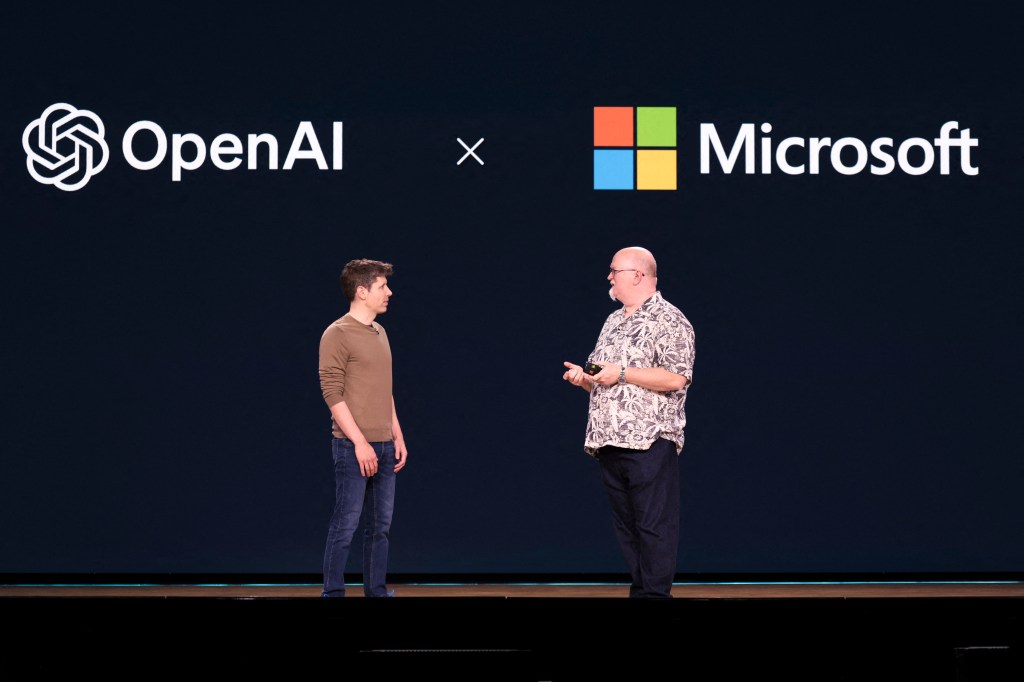
The Battle Over OpenAI’s Corporate Identity
The ongoing lawsuit seeks to dismantle the current structure of OpenAI, alleging that its transition from a non-profit mission to a for-profit powerhouse constitutes a betrayal of its original mandate. Musk’s legal team argues that this shift allowed for unlimited profit potential, moving away from the initial promise of humanity-centric AI development. The distinction between capped and uncapped profits remains the central pivot upon which Judge Yvonne Gonzalez Rogers may ultimately rule.
The testimony highlighted a fundamental disagreement regarding the legitimacy of OpenAI's current trajectory. Musk’s narrative suggests he trusted the original founders—including Ilya Sutskever and Greg Brockman—to build AI for the benefit of humanity, only to witness what he characterized as the "looting" of the non-profit organization. However, the defense presented a more nuanced reality, suggesting that Musk himself supported efforts to transition toward a for-profit model to ensure the company could compete with giants like Google.
Why On the Stand, Elon Musk Can’t Escape His Own Tweets
The most striking moments of the testimony did not emerge from complex financial ledgers, but from the contents of Musk’s own social media feed. During cross-examination by OpenAI's attorney, William Savitt, a glaring contradiction emerged regarding Tesla’s long-term technological objectives. While Musk had recently posted on X that Tesla would be one of the primary companies to achieve Artificial General Intelligence (AGI), he testified under oath that the company is not currently pursuing such technology.
This discrepancy between public hype and legal reality creates a precarious situation for Tesla shareholders. The scrutiny extended beyond AGI to include Musk's financial claims regarding his initial contributions to OpenAI. The gap between his public claim of a $100 million investment and the recorded $38 million highlights a recurring theme in the trial: the potential inflation of impact for the sake of narrative. Ultimately, it proves that on the stand, Elon Musk can’t escape his own tweets.
Allegations of Strategic Talent Poaching
The legal proceedings also delved into the aggressive competitive tactics used by Musk’s various enterprises. Evidence was brought forward regarding efforts by Neuralink and Tesla to poach essential talent from OpenAI, specifically mentioning the departure of leaders like Andrej Karpathy. These allegations suggest a pattern of corporate friction that transcends simple market rivalry and enters the realm of strategic raiding.
Key points emerging from the recent testimony include:
- The legal dispute over whether OpenAI's transition to a for-profit structure violates its non-profit origins.
- The direct contradiction regarding Tesla’s pursuit of AGI versus Musk's public social media statements.
- Allegations involving the use of Neuralink and Tesla resources to recruit OpenAI personnel.
- The debate over whether current investment structures provide unlimited profit potential at the expense of safety.
The Verdict on AI Safety
As the trial moves forward, the focus is expected to shift toward the institutional responsibilities of AI developers. While Musk’s counsel attempted to link OpenAI’s trajectory to real-world harms—specifically referencing a tragic incident in Canada involving a chatbot—the court maintained a strict boundary. Judge Gonzalez Rogers signaled that while the safety approaches of xAI and OpenAI are fair game, the courtroom is not the place for litigating specific AI-driven tragedies.
The outcome of this case will likely set a precedent for how much transparency is required from companies moving between non-profit and commercial status. For the broader tech industry, the trial serves as a warning: in an era of instant digital documentation, the gap between what a CEO says to their followers and what they say to a judge is rapidly closing. As Musk returns to the stand for further questioning, it remains clear that on the stand, Elon Musk can’t escape his own tweets.