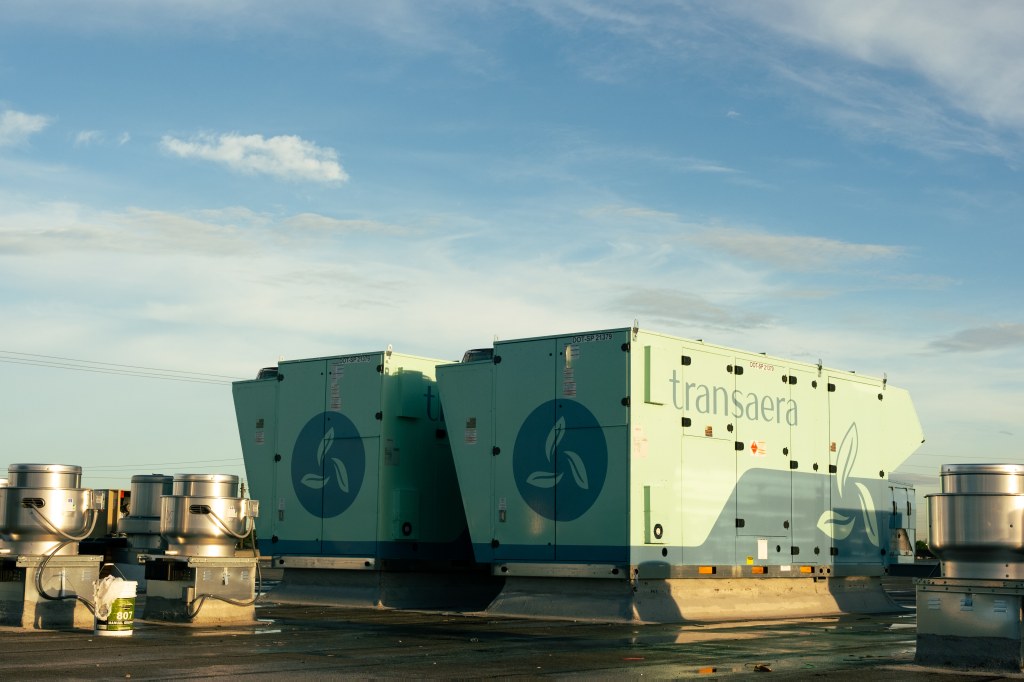
Amazon is placing a massive bet on a breakthrough in dehumidification technology to overhaul its global energy consumption. By leveraging a material recognized by the 2025 Nobel Committee, Amazon aims to drastically reduce the power required to maintain climate control across its vast network of warehouses, data centers, and retail hubs.
Through a new agreement with Transaera, the tech giant is integrating an advanced dedicated outdoor air system (DOAS) designed to outperform traditional HVAC hardware. This move focuses on maximizing moisture removal efficiency while minimizing the electrical load required for cooling.
The Promise of Advanced Dehumidification Technology
The implementation of these DOAS units represents a strategic shift in how Amazon manages large-scale environmental controls. Unlike complex overhauls, this integration is designed to be efficient and scalable:
- Seamless Integration: The new units allow for a like-for-like swap with legacy systems, reducing the complexity of retrofitting existing facilities.
- Massive Moisture Extraction: Each system has the capacity to extract up to 100 lbs of water per hour, significantly relieving pressure on much more energy-intensive chillers and compressors.
- Path to Net-Zero: By lowering electricity draw during peak cooling seasons, this technology directly supports Amazon’s commitment to reaching carbon neutrality by 2040.
Nobel Prize-Inspired Innovation at Scale
The secret behind this efficiency lies in Transaera’s use of a specialized desiccant material. This substance, which earned recognition from the Nobel Committee, is engineered to boost moisture adsorption rates while maintaining long-term durability.
By coating a rotating wheel with this Nobel-grade material, Transaera achieves rapid dehumidification cycles. This process reduces the reliance on heavy chilling, allowing for a more sustainable approach to climate control. The system's design ensures it can be embedded into existing commercial HVAC frameworks without requiring major structural rework.
Real-World Results and Industry Impact
Amazon isn't just testing this technology; they are committing to it at a massive scale. Following successful testing in Houston, Amazon has secured multi-year purchasing commitments involving nine-figure order volumes.
Early data from pilot sites suggests that this new approach to dehumidification technology can deliver energy savings of 20–30%. As Amazon scales these deployments, the impact could be felt across the entire logistics and real estate sectors.
Beyond simple cost savings, the shift toward smarter humidity control addresses critical health and safety issues, such as preventing mold growth and improving indoor air quality. For large-scale commercial operators, adopting such high-efficiency systems is becoming essential to meet tightening energy codes and combat rising utility costs.