The Bambu Lab Controversy: A War Over 3D Printing Freedom
3D printing has long been celebrated as a cornerstone of the modern maker movement, offering hobbyists and professionals the ability to manufacture tangible objects from digital designs. It represents the ultimate DIY dream: the power to build, iterate, and create right in your home. At the forefront of this revolution is Bambu Lab, a company renowned for its user-friendly approach and high-quality hardware. However, the brand is currently embroiled in a intense controversy that has shattered its reputation for openness, pitting it against a coalition of tech influencers and software developers.
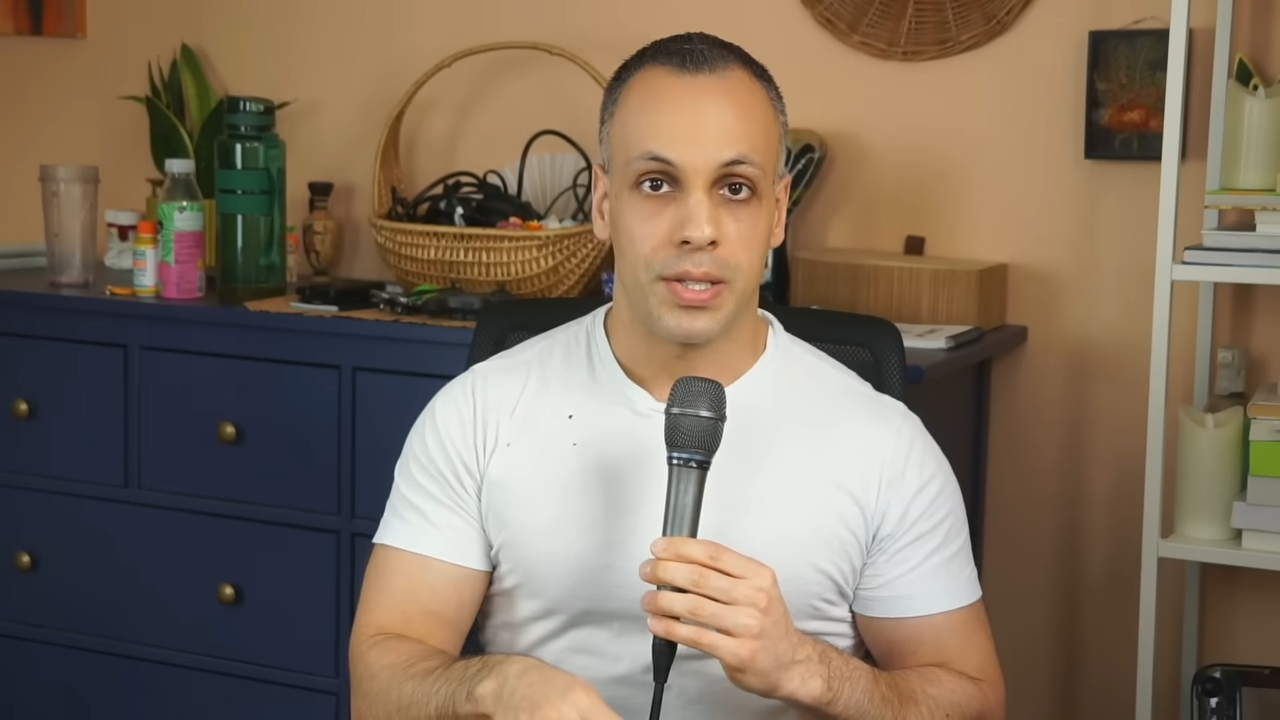
The conflict began brewing late last year when YouTuber Louis Rossmann exposed a critical update to Bambu Lab’s ecosystem. The update effectively blocked third-party slicing software, forcing users to rely exclusively on Bambu’s proprietary tools. While the company claimed this was necessary to protect its devices, critics argue it was a move to tighten control over an ecosystem that users had already paid for.
The Cease and Desist and the OrcaSlicer Standoff
Before the controversy peaked, a community-driven workaround emerged: OrcaSlicer, an open-source slicing program that allowed users to bypass Bambu Lab’s restrictions and continue using their printers with familiar, third-party tools.
In a drastic move, Bambu Lab reportedly sent a cease and desist letter to the developer behind OrcaSlicer, citing Section 1201 of the Digital Millennium Copyright Act (DMCA). This legal section prohibits circumventing technological measures that control access to copyrighted works. Bambu Lab argued that OrcaSlicer was "impersonating another entity" by communicating with their cloud infrastructure without permission.
The developer, facing legal pressure, promptly took the project down. However, the backlash was immediate and severe. Louis Rossmann highlighted a critical flaw in Bambu’s legal stance:
- AGPL License Terms: The software Bambu Lab uses (Bambu Studio) is based on the AGPL (Affero General Public License). This license permits anyone who uses the software to modify and distribute it, provided they adhere to specific open-source requirements.
- Code Origin: Rossmann pointed out that the OrcaSlicer fork was using Bambu Lab’s own open-source AGPL code without modification. Because the developer did not alter the core code, Rossmann argued that Bambu’s cease and desist was legally tenuous and likely unenforceable.
A Digital Rights War Cry
The situation escalated when Louis Rossmann offered $10,000 to the original OrcaSlicer developer to rehost the software, with an additional promise to cover legal fees if Bambu Lab attempted to sue. The original developer declined, citing a desire to avoid a prolonged legal battle.
Undeterred, Rossmann uploaded the software himself via GitHub. This act transformed the issue from a niche technical dispute into a broader digital rights war cry. The community response was swift and vocal:
- Gamers Nexus published a post on their website stating, "F*** you, Bambu Lab," while making the OrcaSlicer files available for download.
- Tech influencer Jeff Geerling publicly supported the software, noting that he uses it on his own Bambu Lab printer at home. He remarked, "Bambu Lab couldn't leave well enough alone."
The Standoff Continues
Bambu Lab has attempted to walk back some of its rhetoric, stating that it supports forks of its software but not OrcaSlicer specifically due to its "nature." They maintain that the software impersonates Bambu Lab’s identity to communicate with their cloud services. However, this explanation has done little to quell the anger of the user base.
The company is now in a precarious standoff with opponents who have more social media attention and deeper pockets for legal fees than before. The coalition backing OrcaSlicer includes YouTubers with a combined subscriber count exceeding 6 million, ensuring that this dispute will remain in the public eye.
What This Means for 3D Printing Users
The controversy highlights a growing tension in the tech industry between proprietary control and open-source freedom. Rossmann has urged more social media figures to join the cause, challenging Bambu Lab’s legal and PR strategy.
"Bambu, you can't sue us all. Or maybe you will. You can sue us all. Maybe you can try to get us all put in federal prison," Rossmann said. "But maybe you should spend that money making your software a little better or making your users happier. But what do I know?"
As the dust settles, the 3D printing community is left to wonder if Bambu Lab’s strategy will protect its brand or further erode the trust of its most passionate users. For now, the OrcaSlicer fork remains online, serving as a testament to the power of community-driven software development against corporate legal threats.