The Illusion of Choice in Subnautica 2
What if survival weren't optional? This question drives the two central themes of Subnautica 2, the highly-anticipated survival game now available in early access. While the first question explains the mechanics of respawning, the second challenges the very definition of humanity itself: Would morphing into a weird alien entity really be such a bad thing?
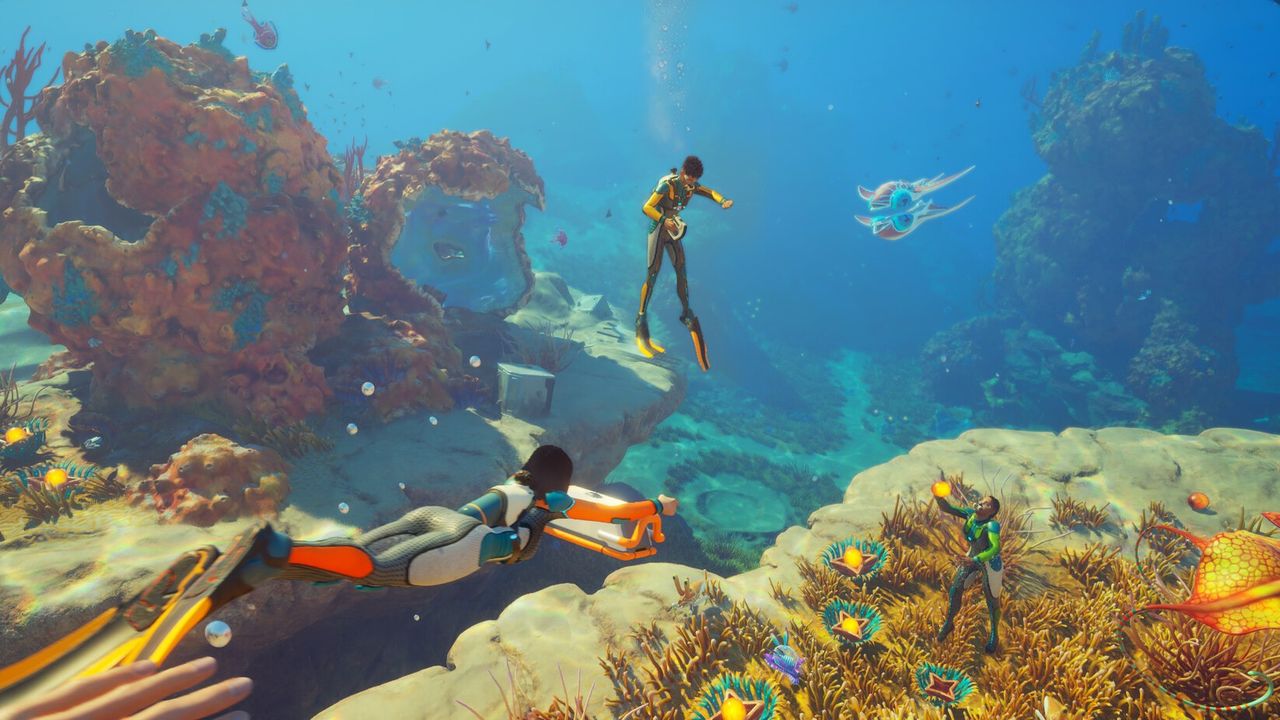
After spending hours in the water, it is clear that Subnautica 2 is a refined experience, surpassing many full 1.0 releases in polish. Like its predecessor, the core loop remains focused on exploring an alien ocean, encountering bizarre fish, avoiding terrifying monsters, and constructing underwater bases. Crucially, co-op is finally here, allowing players to share this terrifying, beautiful abyss together.
Beyond the Factory: Immortality as a Trap
The narrative depth in Subnautica 2 is a surprising highlight. Survival games typically cater to the fantasy of escaping modern civilization—a desire to live off the land, free from the mass-production networks that support billions. However, the genre has evolved. We no longer just want to reject technology; we want to build our own vertically integrated mass-production networks, ironically constructing the very world we claimed to hate.
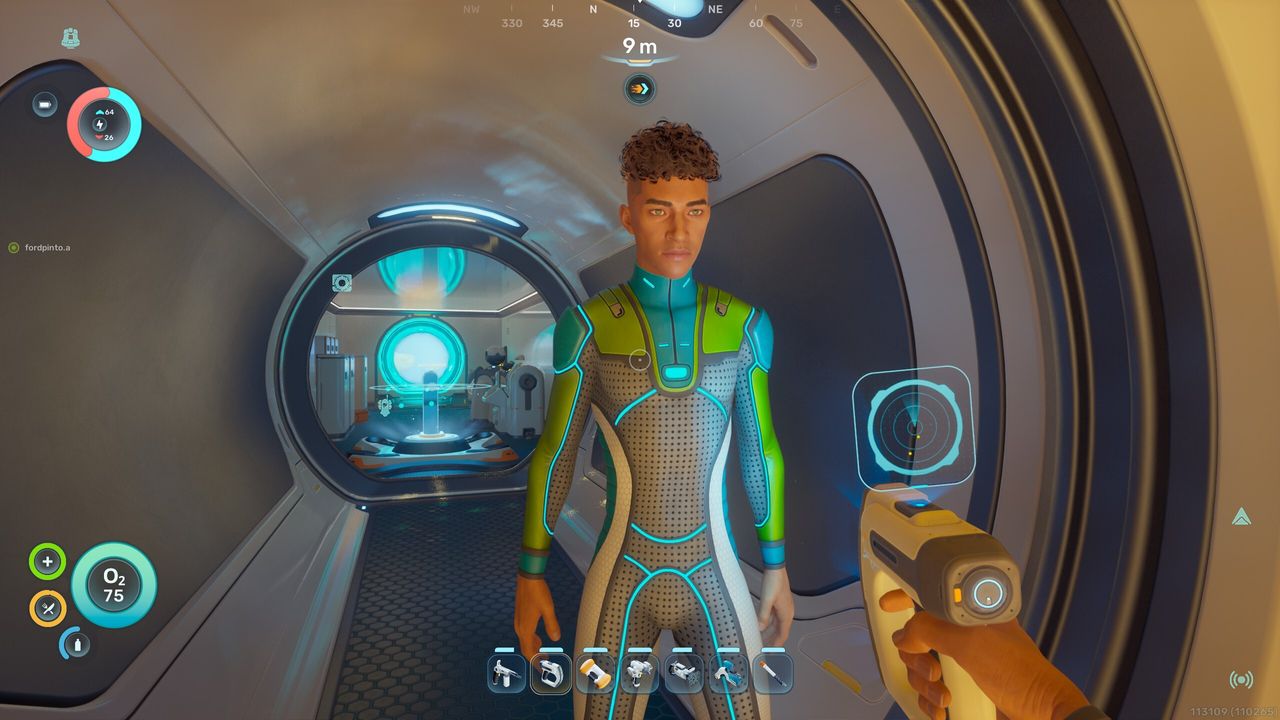
Subnautica 2 pushes this concept further. You have crash-landed on the oceanic planet of Proteus, but dying is not an option. Your AI overseer, NOA, ensures your survival by reprinting your body every time you are devoured by an extrasolar kraken.
While you can build scuba gear, mini-subs, and aquatic habitats using locally-sourced metals, the game gates progress through something far more invasive than crafting tables.
Becoming the Other
You are not the first colonist to be revived. Some of your missing cohorts have swum toward a mountainous, tree-like lifeform looming in the distance, potentially manipulated or reconfigured by an alien virus. To survive the harsh environments of Proteus, you must invite this alien DNA into your body.
Progression requires you to borrow the genetic traits of local wildlife. For example, to navigate the volcanic biomes, you must acquire genetically-transmitted heat resistance from the local fauna. This mechanic shifts the narrative from simple survival to biological assimilation.
As one missing colonist notes in an audio log: "If you live with something long enough on Proteus, you become related to it."
This theme resonates with recent sci-fi explorations of collective consciousness:
- Adrian Tchaikovsky’s Alien Clay (2024): Depicts an alien super-organism incorporating humanity into its menagerie, questioning whether one can remain themselves while becoming part of something greater.
- Apple TV’s Pluribus: Explores an alien virus merging humanity into a single consciousness, contrasting a messy individual protagonist with a hivemind whose altruism serves as an ironic reminder of the lack of soul in perfect harmony.
A New Kind of Transhumanism
These narratives offer a framework for discussing capitalist individualism versus socialist collectivism, but they also reflect a specific anxiety of our current moment. The fantasy of an alien virus transforming humanity from the outside suggests a profound, albeit earned, pessimism about our prospects in the 21st century.
Unlike traditional sci-fi, which often posits that humans must hold onto their individual humanity at all costs, Subnautica 2 suggests that our "failings" might be washed away by alien spores. This represents a new kind of collective transhumanism, opposing the old individualist obsession with personal immortality.
You are already immortal in Subnautica 2, but what is the point of an eternal life spent serving a computer for an evil corporation? In this light, becoming a coral reef might be preferable to maintaining your current human form.
The Long Road to Early Access
The situation on Proteus remains ambiguous. Logs indicate that some colonists feared "Masefield syndrome" caused by a specific strain, while others embraced it. However, the developer, Unknown Worlds, may not even fully know what resides in that massive tree yet.
The studio projects a two-to-three-year stay in early access. During this time, the game will receive:
- New biomes and creatures
- Additional craftables and features
- Expanded narratives
Early access survival games are not always the ideal vehicle for delivering a cohesive story. With the developer projecting years of updates, players may find themselves disconnected from the narrative as it evolves. While audio logs from NOA and missing colonists provide context, they can interrupt the serene exploration that drew many players to the series in the first place.
Despite the unfinished nature of the experience, Subnautica 2 offers a compelling question: If survival is guaranteed, and humanity is the problem, is becoming something else the ultimate escape?