The assumption that energy supply is a static, infinite resource is rapidly becoming a relic of the past. As the artificial intelligence revolution accelerates, the sheer volume of computing power required is exposing critical bottlenecks in the global infrastructure. The world is currently attempting to deploy graphics processing units (GPUs) at a pace that the existing power grid simply cannot sustain.
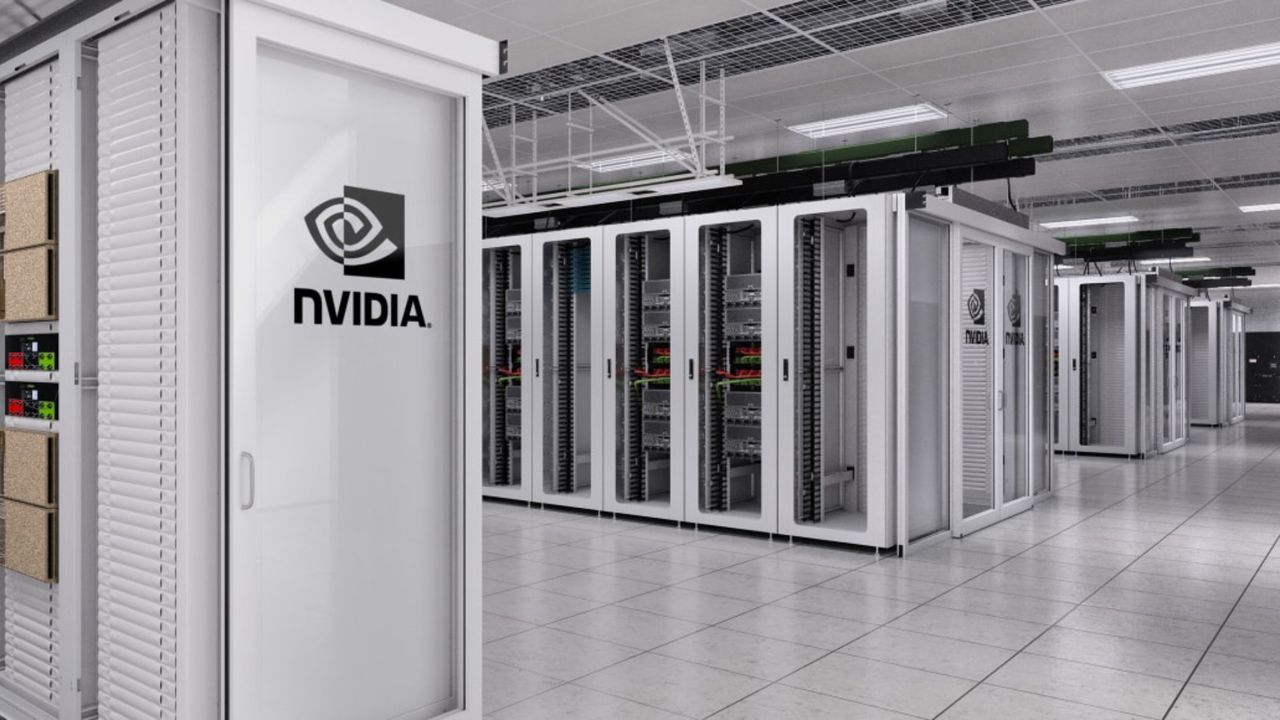
Rather than waiting for decades of grid upgrades, Nvidia and its collaborators have proposed a radical, immediate workaround: moving the compute directly to the source of electricity. This strategy involves deploying mini data centers adjacent to local power substations, effectively bypassing the limitations of long-distance energy transmission.
The Mechanics of Distributed Compute
At first glance, the concept of placing high-performance computing hardware next to electrical infrastructure might seem counterintuitive. It is not a solution aimed at reducing the total energy consumption of AI models, nor is it about minimizing power loss through shorter cabling. Instead, this approach leverages load balancing to optimize the existing grid.
Power demand across a region is not static; it fluctuates wildly depending on the time of day and local activity. By distributing small data centers across the network, Nvidia aims to dynamically shift computational workloads. When a local substation is under a lighter load, the associated mini data center ramps up compute activity. Conversely, as demand rises elsewhere, those centers throttle back, allowing the grid to stabilize.
This system also unlocks spare capacity that was previously inaccessible to traditional large-scale data centers. Large facilities require massive, uninterrupted power feeds that most individual substations cannot provide. However, by aggregating smaller pockets of unused energy, this model creates a viable power source for AI workloads.
Marc Spieler, Nvidia’s senior director of energy, highlights the sheer scale of this opportunity:
“There are 55,000 substations in the U.S., and if they each have five, 10, or 20 megawatts of spare capacity, that number adds up pretty fast.”
A Strategic Expansion of GPU Sales
While the technical benefits of grid stabilization are clear, the business implications for Nvidia are equally significant. This decentralized model inherently requires a massive over-provisioning of hardware. To make load balancing viable, operators must have enough GPUs to shift workloads between sites without causing latency or service interruptions.
This creates a cycle where more GPUs are needed not just to increase raw performance, but to ensure redundancy and flexibility. The solution to the energy crisis is, effectively, a larger inventory of Nvidia chips.
The urgency of this issue is underscored by projections from the Electric Power Research Institute (EPRI). Data centers are expected to consume up to 17% of US electricity generation by 2030. This represents more than double the current usage, signaling a massive spike in demand that traditional infrastructure upgrades alone cannot easily address.
As the industry grapples with this exponential growth in power requirements, Nvidia’s strategy of distributed mini data centers offers a pragmatic, albeit expensive, path forward. It allows the AI revolution to continue not by fixing the grid, but by building a parallel, GPU-driven layer on top of it.