The escalating demand for massive computational power has transformed high-end hardware from a standard operational expense into a primary strategic asset. As frontier model training requirements scale exponentially, the scarcity of silicon and electricity has created a landscape where securing raw compute dictates market dominance more effectively than software architecture alone. In a move that underscores this shift, Anthropic has entered an agreement to pay xAI $1.25 billion per month for access to 300 megawatts of compute capacity through May 2029.
The Rise of the Neocloud Model
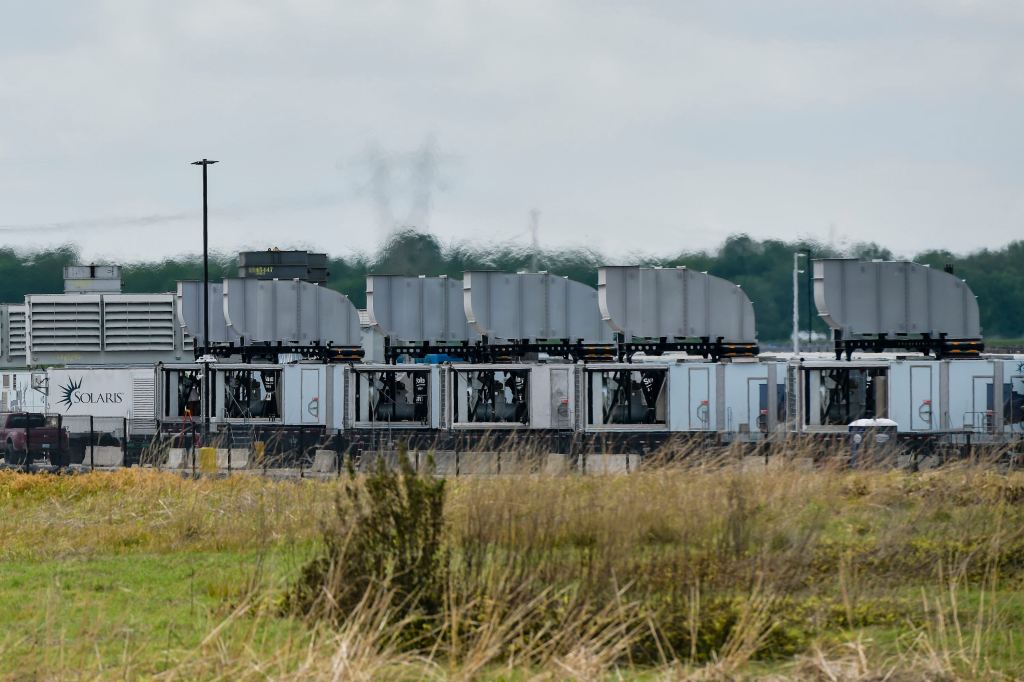
The structure of this massive transaction reveals a fundamental shift in how AI infrastructure is monetized and distributed. Rather than relying solely on traditional hyperscalers, a new "neocloud" paradigm is emerging where specialized entities function as both consumers and providers of silicon real estate. Details from recent filings indicate that xAI’s strategy is built around the ability to monetize unused compute capacity within its existing infrastructure.
This approach allows for unprecedented financial agility in an industry defined by massive capital expenditure. By leasing out surplus power, companies can transform idle hardware into a high-yield revenue stream. Key components of this strategic shift include:
- Rapid Monetization: Converting underutilized megawatts into immediate cash flow.
- Infrastructure Leasing: Treating compute cycles as a tradable commodity similar to energy or bandwidth.
- Strategic Redundancy: Reducing the financial burden of maintaining massive, sometimes idle, GPU clusters.
The potential for revenue is staggering; if xAI successfully scales this model, it could tap into tens of billions in revenue by treating compute as a utility.
Strategic Entanglement Between Rivals
Perhaps the most striking element of the deal is the commercial entanglement between direct competitors. While Anthropic and xAI are fierce rivals in the race to develop frontier models, their immediate scaling requirements have forced a pragmatic partnership. This reality suggests that in the current AI arms race, the need for immediate capacity outweighs traditional market rivalry.
For Anthropic, this agreement provides an essential bypass of the long lead times typically associated with greenfield data center construction. While they maintain significant multi-year commitments with providers like Amazon and Google, those resources are often scheduled far into the future. Accessing xAI's existing infrastructure—reportedly including 220,000 Nvidia GPUs—allows for immediate deployment of new features and model iterations.
The Future of AI Infrastructure Allocation
This deal signals a profound change in how the industry views the physical location and ownership of computation. As companies like SpaceX integrate vertically to manage everything from aerospace to ground-based data halls, the traditional boundaries of "cloud computing" are blurring. The mention of potential orbital compute capacity suggests that the next frontier of AI may not be tethered to conventional terrestrial constraints.
Ultimately, the Anthropic and xAI arrangement proves that in a landscape defined by scarcity, operational uptime is the ultimate alpha generator. As the industry moves forward, the ability to rapidly deploy specialized, high-density compute will separate the leaders from those left waiting for the next shipment of silicon.