Anticipating Needs: Anthropic’s Vision for Proactive AI
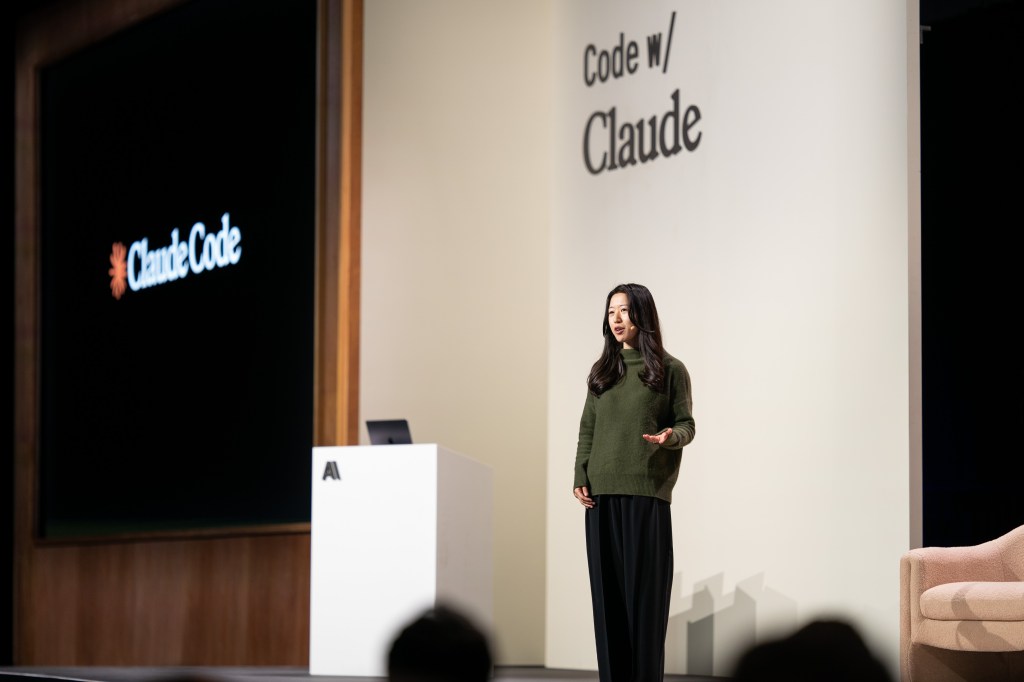
The narrative surrounding artificial intelligence has long been dominated by the promise of automation—tools designed to handle repetitive tasks after receiving explicit instructions. However, Anthropic’s Cat Wu is challenging this status quo with a more ambitious vision. The goal is no longer just to react to commands, but to anticipate needs before you know what they are. This shift from reactive assistance to proactive partnership represents a fundamental change in how humans and machines will interact.
This evolution hinges on significant advancements in predictive modeling and contextual understanding. Since 2024, Anthropic has invested heavily in these areas, aiming to create models that understand intent before it is fully articulated. The result is a system that doesn't just wait for input but actively works to fulfill requirements, redefining the utility of AI in daily workflows.
From Reactive Tools to Dynamic Collaborators
Anthropic’s strategic pivot reflects a broader industry trend: moving away from static software toward dynamic collaborators. According to Wu, the era of product development being defined by mirroring competitors is over. Instead, the focus is on outpacing rivals through foresight.
By prioritizing steady, long-term improvements over reactive updates, Anthropic is cultivating a corporate culture focused on lasting utility. This strategy allows teams to look beyond short-term competitive parity and build systems that genuinely enhance user efficiency. The core objectives driving this change include:
- Enhanced contextual awareness to accurately predict user intent.
- Streamlined workflows by eliminating manual tasks like repetitive responses.
- Proactive automation of routine processes, such as customer support interactions.
This approach ensures that AI serves as an intuitive partner, seamlessly integrating into daily life rather than acting as a passive tool waiting for direction.
The Role of Agent Autonomy in Future Workflows
A critical pillar of this proactive vision is agent autonomy. In this new paradigm, AI systems are designed to manage end-to-end tasks with minimal human intervention. This requires a shift in how humans manage these digital assistants.
Wu highlights that managing AI agents will require human supervisors to debug and refine instructions, mirroring traditional team leadership dynamics. This structure ensures that while agents operate with high efficiency, they remain aligned with ethical guidelines and organizational goals. The human role evolves from direct operator to strategic overseer, ensuring that autonomous systems act in the best interest of the user.
Balancing Rapid Innovation with Rigorous Safety
Despite the ambitious timeline for deploying these proactive capabilities, Anthropic maintains a strict commitment to safety. The company’s approach to development is cautious, ensuring that innovation does not outpace responsibility.
This is evident in the controlled rollout of models like Glasswing, which is reserved for select partners. By limiting early access to high-risk capabilities, Anthropic mitigates potential misuse while gathering critical feedback for refinement. This strategy allows the company to balance the need for rapid development with the imperative of maintaining robust safety protocols.
The trajectory suggests a future where AI is not just a helper, but an intuitive partner. By anticipating needs and automating routine processes proactively, Anthropic aims to create a seamless integration of AI into everyday life, where technology works ahead of human awareness to deliver value before it is even requested.