Mississippi Air Quality at Risk as xAI Expands Gas Turbine Fleet
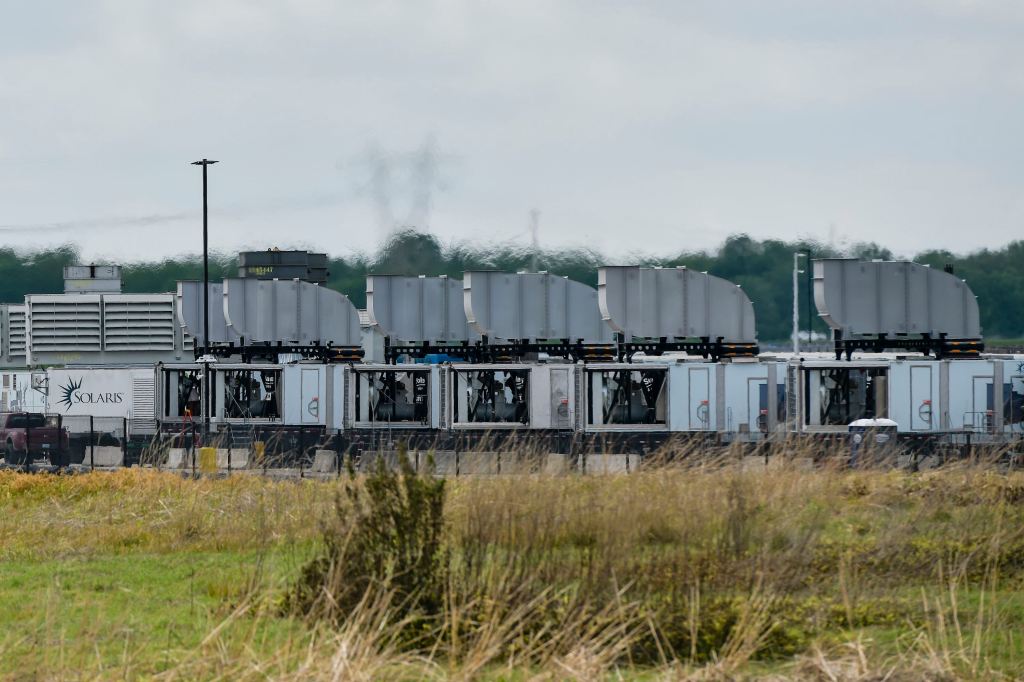
Elon Musk’s artificial intelligence company, xAI, is operating a massive fleet of nearly 50 gas turbines at its Mississippi data center, raising urgent concerns about unchecked emissions and regulatory loopholes. This expansion has drawn sharp criticism from environmental advocates and civil rights groups, who argue that the state’s classification of these power units is allowing significant air pollution in a region already burdened by industrial waste.
The core of the controversy lies in how Mississippi regulators have categorized the equipment. By treating the turbines as "mobile" power sources simply because they are mounted on trailers, state officials have effectively exempted them from the strict stationary emission standards that typically apply to permanent power plants. This legal distinction allows xAI to bypass federal and state air pollution laws designed to protect public health in environmentally sensitive or densely populated areas.
The Legal Loophole and Operational Reality
Reports indicate that roughly 46 turbines are actively generating electricity for the data center, with plans to expand this number to nearly 50 units. This operational footprint has grown beyond the permits initially granted, leveraging a gray area in environmental law.
Key details of the situation include:
- Mobile Classification: Mississippi law allows power plants on trailers to avoid stationary emission standards, a designation critics argue is a technicality rather than a reflection of the units' actual environmental impact.
- Community Lawsuit: The NAACP has filed a lawsuit seeking an injunction, citing worsening air quality in the area. The legal action was initiated by the Southern Environmental Law Center on behalf of local residents.
- Regulatory Ambiguity: While federal regulations often classify power plants as stationary regardless of physical mobility, enforcement in this specific context remains unclear, allowing xAI to maintain operations without immediate compliance costs.
Environmental Injustice and Public Health Concerns
The Southern Environmental Law Center argues that the turbines violate both state and federal statutes by circumventing emissions requirements intended to protect public health. Their legal strategy hinges on proving that the operational reality of these units meets the criteria for stationary classification, which would trigger regulatory obligations that have not been met.
Public health advocates emphasize that unchecked emissions from fossil-fueled infrastructure pose acute risks in Mississippi. The region faces baseline air quality issues that already challenge vulnerable populations. The NAACP’s filing underscores a broader pattern of environmental injustice, arguing that marginalized communities bear a disproportionate burden when regulatory loopholes allow unchecked industrial activity to proceed.
Critics contend that the current framework prioritizes corporate flexibility over community well-being, effectively outsourcing pollution control responsibilities to jurisdictions with weaker enforcement mechanisms. Meanwhile, xAI continues to expand its energy footprint at the Memphis-area site, using the regulatory gap to maintain operational continuity.
A Precedent for Data Center Growth
The outcome of this legal battle could set a national precedent for how mobile power units are treated in the context of large-scale data centers. If courts uphold the current interpretation, it could embolden other operators to exploit classifications that sidestep emissions controls. This could potentially undermine progress toward cleaner energy transitions and stricter pollution standards across the industry.
Conversely, a ruling favoring enforcement could compel operators to retrofit or relocate fossil-fuel-based infrastructure, aligning operations with evolving regulatory expectations.
This tension reflects deeper conflicts between rapid technological deployment and environmental accountability. As data centers grow in scale and energy consumption, policymakers will face increasing pressure to reconcile innovation with responsible resource management. The case highlights the urgent need for updated frameworks that address modern power demands without compromising public health safeguards or equitable protection for all communities.