A New Unpatchable Flaw in Apple Chips Opens the Door to an iPhone Jailbreak
A new unpatchable flaw in Apple’s A12 and A13 chips has raised significant concerns in the cybersecurity community, revealing a critical vulnerability that could allow hackers to bypass one of the most secure components of the iPhone — the Boot ROM. This discovery, named usbliter8, was identified by Paradigm Shift, a Barcelona-based offensive cybersecurity firm, and it has serious implications for the security of older iPhones.
The Vulnerability Lies in Immutable Code
The flaw, usbliter8, resides in the Boot ROM — the first piece of code executed when an iPhone powers on. This area is traditionally considered one of the most secure, as it is immutable, meaning it cannot be updated or patched once the device is manufactured. Unlike standard software vulnerabilities, this flaw is unpatchable, meaning that users of affected devices — including the iPhone XS, XR, and up to the iPhone 11 — cannot receive updates to fix the issue.
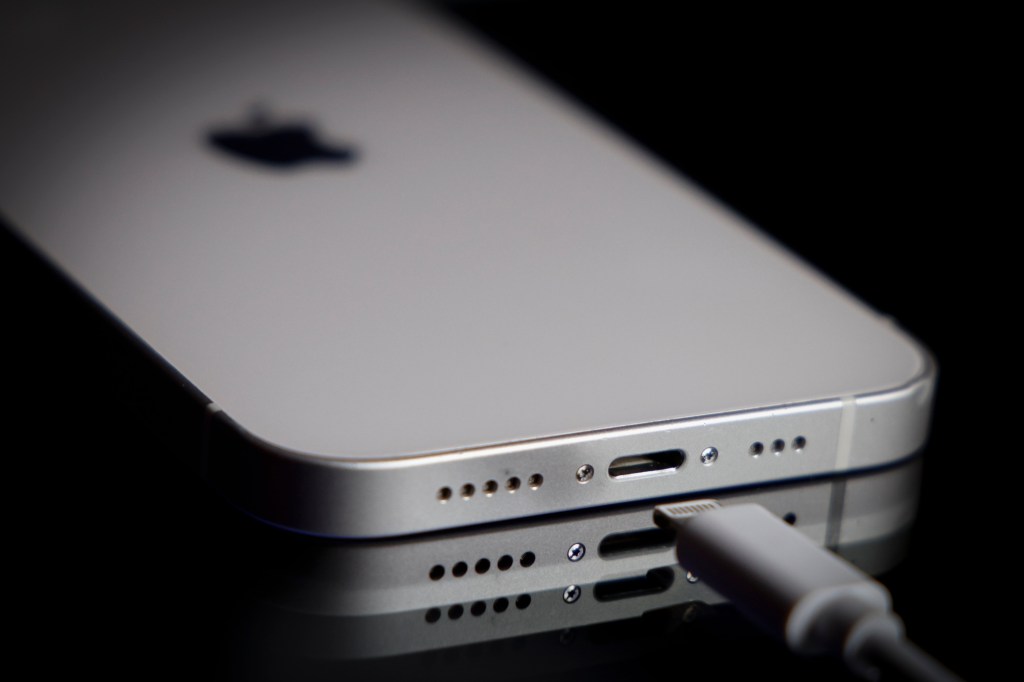
usbliter8 allows attackers with physical access to an iPhone to exploit this Boot ROM and potentially bypass subsequent security layers. The exploit requires direct access to the device, such as connecting it to a USB port, but once that threshold is crossed, the security barriers are significantly weakened. This is a major concern because the Boot ROM is a foundational layer of security, designed to prevent unauthorized access even before the operating system boots up.
Implications for Security Researchers and Law Enforcement
The release of usbliter8 is not a full-scale jailbreak but a critical step toward one. It opens the door for other researchers to chain it with additional exploits to create a complete jailbreak — a process that removes Apple’s restrictions on iOS, allowing users to install unapproved apps and modify the operating system.
Security researchers have long sought such vulnerabilities to test the limits of iOS security and identify weaknesses. Governments and law enforcement agencies, which rely on tools like those from Cellebrite and Graykey to extract data from seized devices, may already possess similar methods. However, usbliter8 could give them a more direct route into the device.
Paradigm Shift emphasized that users affected by the flaw should consider upgrading to newer hardware, as the only real mitigation is moving away from vulnerable devices. The company also noted that while this flaw is not immediately exploitable for mass hacking, it presents a unique opportunity for those with the resources and intent to push further into the iPhone’s security architecture.
A Reminder of Inevitable Weaknesses
Despite Apple’s reputation for tight security, this flaw demonstrates that even the most advanced systems are not immune to vulnerabilities. The Boot ROM, once considered unbreachable, now shows a potential point of entry for sophisticated attackers. Apple has historically responded quickly to known vulnerabilities, but usbliter8 presents a unique challenge — the code is baked into the silicon and cannot be modified.
This revelation is a stark reminder that while Apple’s ecosystem is among the most secure, it is not infallible — and that as devices age, their security may become increasingly compromised. As the cybersecurity landscape continues to evolve, the discovery of usbliter8 highlights the ongoing battle between device manufacturers and those who seek to exploit their systems.
For users, the message is clear: upgrading to newer models with updated hardware remains the most effective defense against such persistent and unpatchable vulnerabilities. While the flaw may not render older iPhones vulnerable to mass hacking immediately, it provides a foothold for those with the resources and intent to push further into the iPhone’s security architecture.