A single tap on a "delete" button once signaled the permanent erasure of a digital footprint. For users relying on disappearing message features in applications like Signal or WhatsApp, that moment provided a vital sense of security. However, recent reports confirming Apple fixes bug that cops used to extract deleted chat messages from iPhones highlight how much risk was previously involved for privacy-conscious users.
The Ghost in the Notification Database
A recently discovered vulnerability in Apple’s mobile operating system allowed deleted text to linger on iPhones long after its intended destruction. According to a security notice released by Apple, a bug had been identified where notifications marked for deletion were being "unexpectedly retained" on the device.
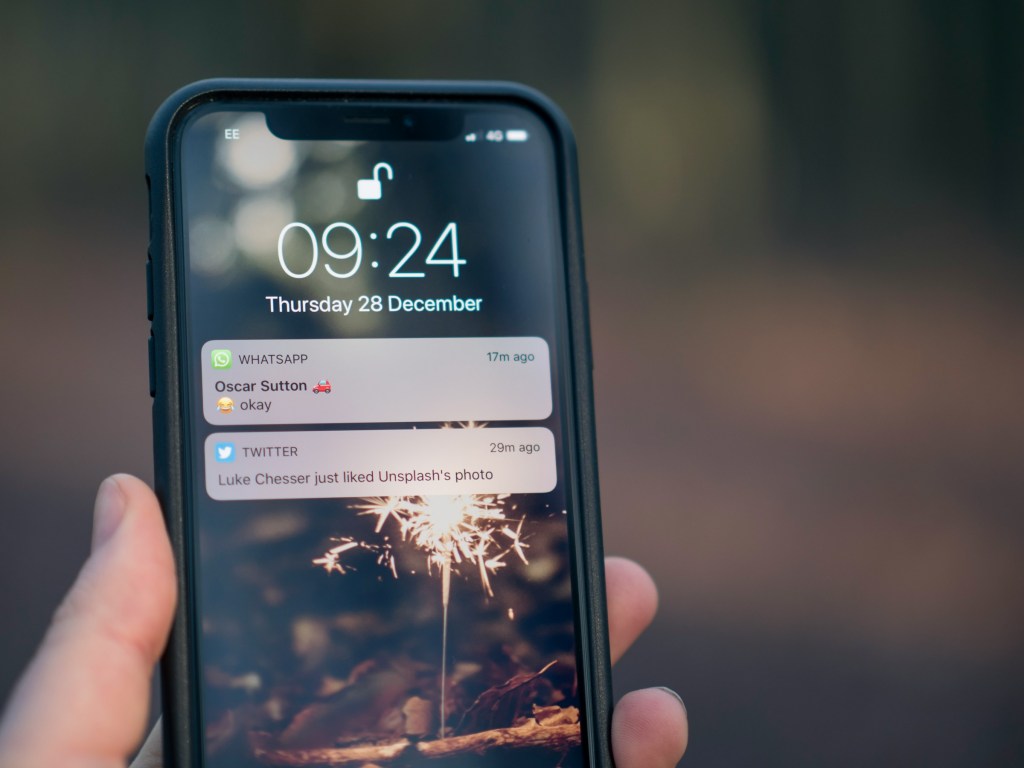
While the primary message within an encrypted app might be wiped from local storage, the system-level notification originally alerting the user remained cached in a secondary database. This discrepancy created a significant loophole in end-to-end encryption. Even if the content of a message was protected during transit, the operating system’s tendency to store recent notification snippets for up to a month meant that a physical seizure of the device could reveal "disappeared" chats.
Forensic Exploitation and Privacy Risks
The implications of this flaw became public following investigative reporting by 40_Media, which revealed that the FBI had successfully utilized forensic software to extract these remnants. By targeting notification logs rather than encrypted message databases, investigators could reconstruct conversations users believed were long gone. This method turns a feature designed for privacy into a potential liability.
The vulnerability poses an existential threat to high-risk populations, including journalists, activists, and whistleblowers. For these individuals, the ability to ensure that data cannot be recovered from a seized device is a fundamental requirement for safety. The response from the privacy community was swift:
- Signal President Meredith Whittaker publicly urged Apple to address the discrepancy, stating that notification databases should never retain content intended for deletion.
- Privacy advocates highlighted the danger of "metadata-adjacent" data—information like notification snippets that lacks encryption but contains sensitive context.
- The discovery underscored the necessity of a holistic approach to mobile security, where system services are as ephemeral as the apps they support.
How Apple Fixes Bug That Cops Used to Extract Deleted Chat Messages From iPhones
In a decisive move to mitigate these risks, Apple released a software update this week designed to synchronize the deletion of notifications with the deletion of underlying messages. This fix ensures that when an app instructs the operating system to purge a message, the corresponding notification is wiped from the cache simultaneously. This news—that Apple fixes bug that cops used to extract deleted chat messages from iPhones—is a major win for device security.
As Apple fixes bug that cops used to extract deleted chat messages from iPhones, they have also backported this fix to users running older versions of iOS 18. This ensures the patch reaches the widest possible segment of the iPhone ecosystem.
While it remains unclear if this behavior was an accidental oversight or a byproduct of how notification caching was originally architected, the resolution marks a critical step in restoring mobile privacy. As forensic capabilities continue to evolve, the battleground for digital privacy will increasingly shift toward the often-overlooked shadows left behind by the operating system. For now, the "delete" button on the iPhone can once again be trusted to do its job.