The boundary between human cognition and digital feedback is rapidly dissolving as brain-computer interface (BCI) technology moves out of clinical laboratories and into the consumer market. While much of the public discourse surrounding neural interfaces has been dominated by the high-stakes, surgical ambitions of Elon Musk’s Neuralink, a different revolution is taking shape. Neurable is positioning itself at the forefront of this movement, looking to license its ‘mind-reading’ technology for the next generation of consumer wearables.
Beyond Neuralink: The Rise of Non-Invasive BCI
Unlike invasive BCI approaches that require surgical implantation of chips directly into the brain, Neurable’s architecture relies on EEG sensors and advanced signal processing. This technology captures neural signals from the surface of the scalp, utilizing artificial intelligence to interpret brain activity and translate it into actionable data regarding cognitive performance.
By removing the barrier of neurosurgery, the company has positioned its technology as a software-centric solution that can be integrated into existing hardware ecosystems. A recent $35 million Series A funding round provides the capital necessary to transition from specialized prototypes to a widespread commercial presence.
The company’s strategy focuses on an OEM (Original Equipment Manufacturer) licensing platform. This allows third-party developers to embed brain-sensing capabilities into various form factors without redesigning their entire product line. This approach allows hardware manufacturers to maintain control over their product design and user experience while leveraging Neurable's underlying AI.
Integration Points for ‘Mind-Reading’ Technology
As the company scales, the potential integration points for this technology are vast. The goal is to embed sensors into everyday objects so seamlessly that the interface becomes invisible to the user. Key areas for development include:
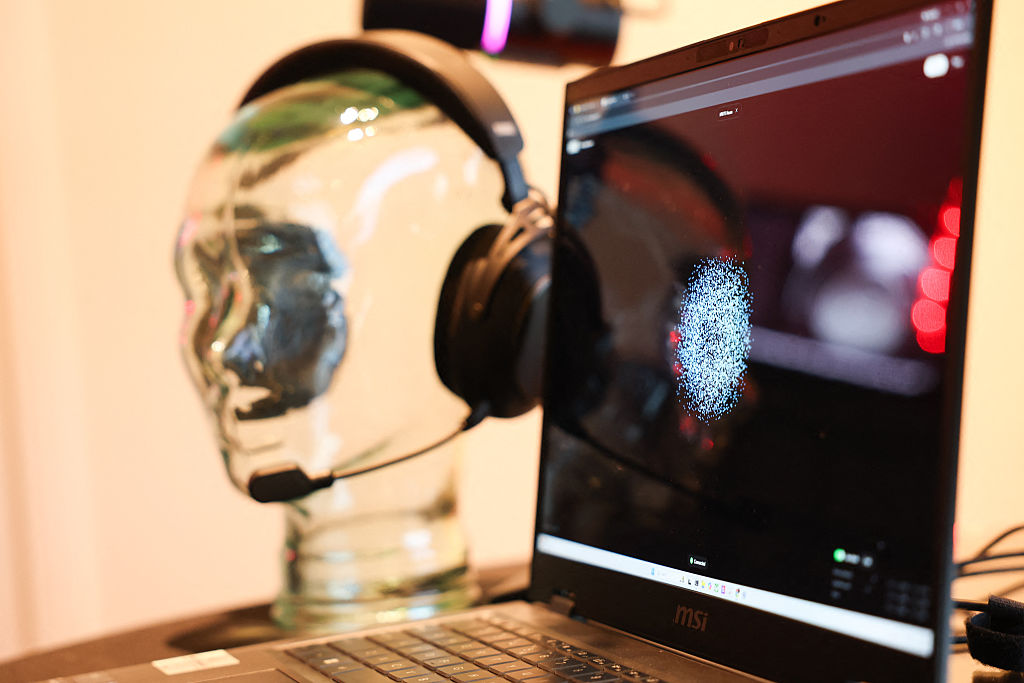
- Audio hardware: High-end headphones equipped with sensors to monitor focus, fatigue, and mental load.
- Smart headwear: Hats or headbands designed for athletic training or productivity tracking.
- Augmented Reality (AR) glasses: Eyewear that adjusts interface complexity based on the user's cognitive state.
- Gaming peripherals: Headsets, such as those developed in partnership with HyperX, that optimize gameplay through real-time performance monitoring.
Scaling Through Strategic Partnerships
Neurable has already moved past the theoretical stage by establishing functional partnerships that demonstrate the utility of neural data. A collaboration with HP Inc.’s gaming brand, HyperX, resulted in a headset designed to help players optimize focus and reaction times.
Similarly, working with iMototions has provided the necessary infrastructure for high-fidelity human behavior research. This proves that the technology can yield measurable insights into user engagement and mental states. The company’s leadership suggests that the current era represents an "inflection point" for neurotechnology.
The ultimate goal is to move toward a future where brain sensing is as ubiquitous as the heart rate monitors found in modern smartwatches. To achieve this, Neurable aims to make the technology so seamless that users forget they are interacting with a neural interface at all.
Navigating the Ethics of Neural Privacy
The prospect of "mind-reading" technology inevitably invites scrutiny regarding the sanctity of cognitive privacy. Brain data is fundamentally more intimate than biometric markers like pulse or step counts, as it captures the raw electrical signatures of thought and attention.
To mitigate these risks, Neurable has emphasized a framework of anonymization and encryption. The company asserts that their protocols align with HIPAA standards to ensure user information remains protected from unauthorized access.
Data usage for the purpose of training proprietary AI models is also a point of contention. Neurable maintains that any use of neural data for software refinement is strictly contingent upon explicit user consent, avoiding the widespread and unregulated collection practices often criticized in the broader data-broker industry. If Neurable can successfully navigate these regulatory and ethical minefields, the next decade may see our most personal biological signals become a standard feature of the global digital landscape.