Are 2-in-1 Laptops the Ultimate Computing Solution or Just a Compromise?
The quest for the Best 2-in- Laptops (2026): Microsoft, Lenovo, and the iPad has led many to question if this hybrid form factor is truly the utopian dream of computing. While the industry champions the versatility of combining two distinct devices into one chassis, reality often dictates a heavy lean toward either tablet or laptop modes, forcing compromises in performance or portability. This inherent imbalance does not render the concept obsolete; rather, it necessitates a careful selection process where buyers must weigh the convenience of a unified device against specialized excellence.
Whether you are a creative professional needing an OLED display or a student requiring all-day battery life, the current market offers distinct paths forward. The following analysis examines how Microsoft, Lenovo, and Apple have navigated the trade-offs between raw hardware capability, software optimization, and portability to define the landscape of modern hybrid computing.
Detachable Tablets: The Premium Choice for Windows and Touch
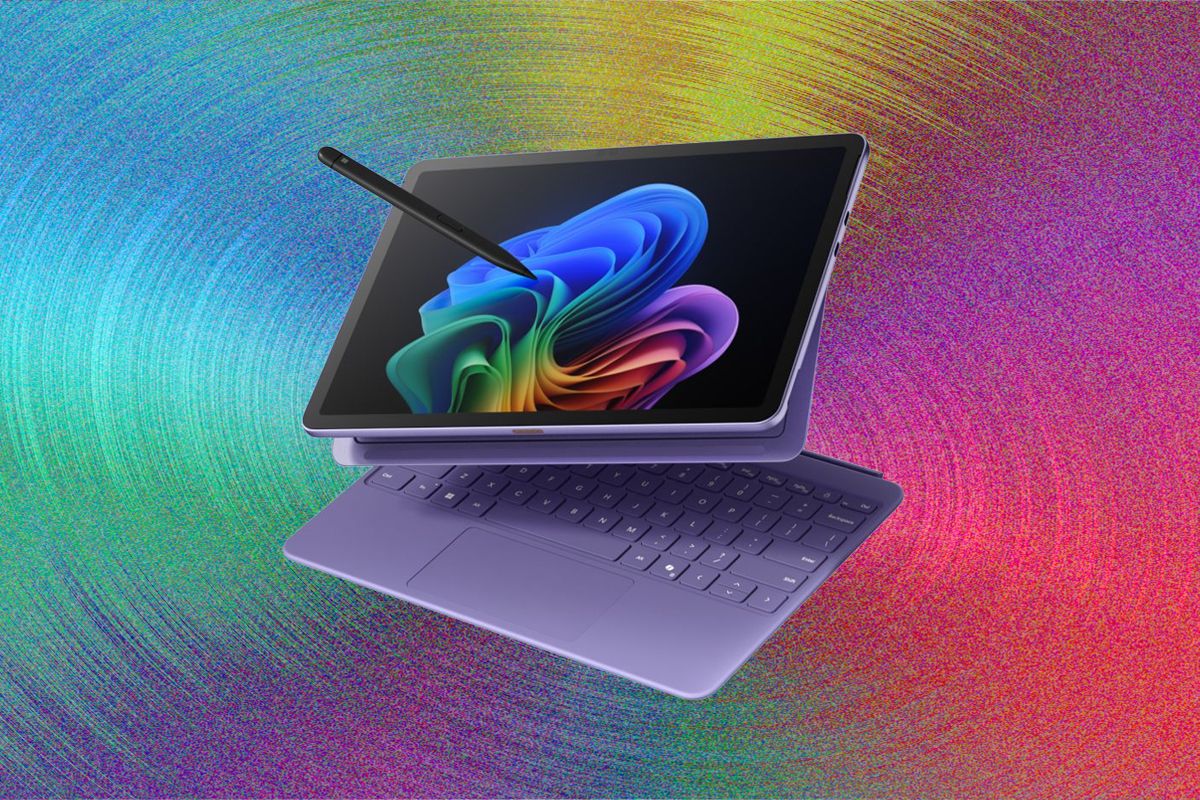
Microsoft has long been the architect of the detachable tablet category, pioneering the design where a full-sized keyboard attaches to a screen running a complete version of Windows. This evolution reached a critical tipping point with the Surface Pro 13-inch (11th Edition, 2024), which finally received the performance boost necessary to compete with high-end tablets. Powered by the Qualcomm Snapdragon X Elite processor, this model delivers battery life and processing speeds previously unattainable in this chassis, allowing it to function as a genuine laptop replacement.
Unlike previous iterations that struggled with thermal throttling, the newer silicon ensures the device remains cool even under heavy workloads. Furthermore, the inclusion of an OLED model with a 120-Hz refresh rate provides visual fidelity that rivals the best iPad Pro models. This makes it an ideal choice for creative professionals who require both touch input and a full desktop operating system without sacrificing screen quality.
For those seeking a balance between portability and build quality, the Surface Pro 12 offers a compelling alternative. It retains the premium feel of its larger sibling while keeping the overall footprint small enough for easy transport. Although it lacks the OLED option and comes with higher storage configurations as a default, its ability to run Windows 11 makes it the superior choice for users needing file management and desktop applications.
Apple’s M4 Disruption and Gaming Innovations
Apple has disrupted this space by introducing the iPad Air (2026, M4) as a legitimate competitor to Windows devices. Leveraging the M4 chip, the device delivers immense power in a lightweight form factor, shifting the paradigm of what a tablet can do when paired with accessories. The experience shines when combined with the Magic Keyboard, transforming the slate into a laptop that supports windowing, cursor control, and a rich touch-first app ecosystem.
This combination offers a seamless transition between tablet and laptop modes without the clunky kickstands found on many Windows counterparts. Key advantages for this platform include:
- Natural Usage: A more ergonomic experience on laps or in bed compared to rigid stands.
- App Ecosystem: The App Store provides a breadth of touch-optimized applications that Windows cannot match.
- Portability: An ideal 2-in-1 solution for students and creatives who prioritize intuitive interaction over raw desktop power.
The gaming sector has also found a niche with the Asus ROG Flow Z13, a detachable 2-in-1 addressing heat management issues common in portable devices. By keeping heat-generating components separate from the keyboard surface, Asus ensures hands remain cool during intense sessions. This design allows the device to function as a powerful laptop for video editing and high-fidelity gaming while maintaining a detachable form factor.
Convertible Laptops: The Versatile Daily Drivers
A different breed of device exists in the form of convertible laptops, featuring a 360-degree hinge and a touchscreen that folds back completely. These machines are designed to operate in multiple modes, from traditional clamshell setups to tent mode for media consumption. While they can technically be used like a tablet, the thickness and weight often make them uncomfortable for prolonged touch-only use compared to detachables.
The Lenovo Yoga 9i stands out as the premier example of this category, offering a sharp OLED screen and a premium chassis that justifies its higher price point. An interesting innovation in this model is the integration of a high-quality speaker directly into the hinge, ensuring consistent audio performance regardless of positioning on a desk.
Sustainability Meets Performance with Framework and Acer
The Framework Laptop 12 represents a unique approach to the convertible form factor by prioritizing repairability and upgradability above all else. Users can replace or upgrade nearly every internal component, including the processor and motherboard, which significantly extends the device's lifespan and reduces e-waste. While the chassis is slightly thicker than other ultrabooks, this trade-off allows for a versatile 360-degree hinge suitable for families needing a durable investment.
The availability of a DIY Edition further lowers the entry barrier, turning the purchase into an educational project about computer architecture. For budget-conscious buyers, the Acer Chromebook Plus Spin 514 delivers exceptional value with a powerful MediaTek chip that rivals many premium processors in this price range. These models prove that sustainability and modularity are not mutually exclusive with the modern 2-in-1 aesthetic, offering viable alternatives for those prioritizing longevity over cutting-edge specs alone.