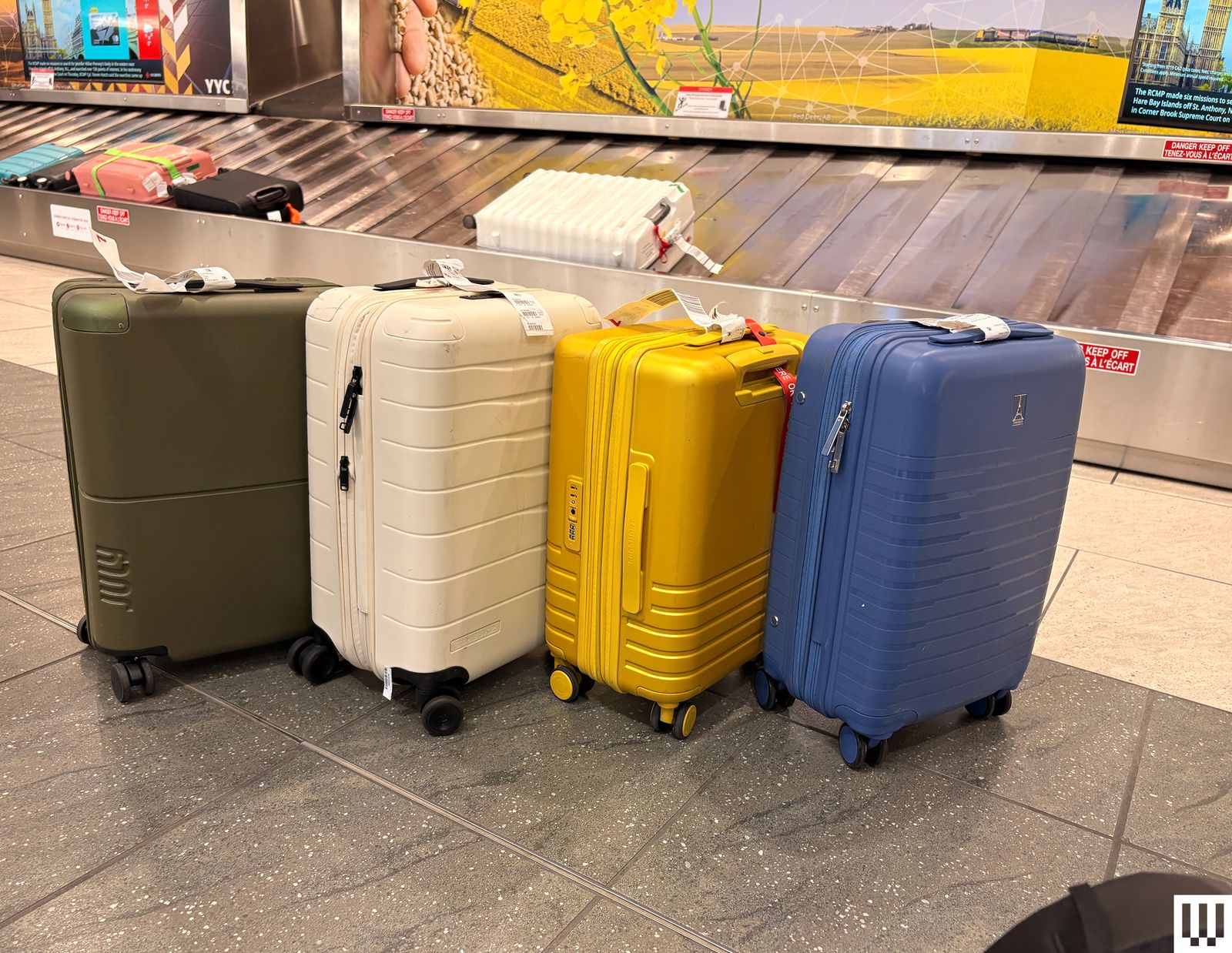
The evolution of carry-on luggage now hinges on materials that marry durability with practicality.
Design Philosophy and Modern Preferences
Travelers increasingly prioritize luggage that withstands rigorous use while maintaining sleek aesthetics. The shift away from traditional hard-shell designs has introduced softer, more adaptable options without compromising protection. This balance defines the current generation of carry-ons.
Why Material Choice Matters
The debate between polycarbonate and aluminum reflects broader trade-offs in travel gear. Polycarbonate offers lightweight resilience and affordability but lacks the longevity of aluminum, which excels in structural integrity. Both materials dominate current top picks due to their unique strengths.
Top Contenders: A Comparative Analysis
- Away Softside Carry-On: Blends style with functionality through its water-resistant nylon and flexible design. Its hidden exterior pockets and balanced weight distribution make it ideal for frequent flyers prioritizing organization.
- Travelpro Bagsmart Getaway: A value-driven option under $170, praised for its smooth wheels and TSA lock. While not universal in size compliance, its expandability adds practicality for varied trip lengths.
- Rimowa Original Cabin: Represents the pinnacle of luxury aluminum construction. Its timeless appeal and repairability justify premium pricing but demand greater effort for overhead bin storage.
- Tumi 19 Degree Polycarbonate: Bridges affordability and quality, offering a warranty and robust design at half Rimowa’s cost. A strong choice for budget-conscious travelers seeking reliability.
Material Deep Dive: Aluminum vs. Polycarbonate
Aluminum’s resilience ensures decades of use, while polycarbonate’s shatterproof properties suit high-impact scenarios. Brands like Rimowa and Tumi leverage these materials to cater to distinct preferences—luxury versus practicality.
User-Centric Features That Define Excellence
Key considerations include:
- Wheel performance: Smooth, 4-way rotation reduces strain during airport transit.
- Weight distribution: Even balance prevents tipping and eases overhead bin maneuvering.
- Security integrations: TSA locks and digital tracking solutions (e.g., Tumi Tracer) enhance peace of mind.
The Future of Carry-Ons: Where Do We Stand?
Current innovations emphasize sustainability without sacrificing performance. Brands now highlight recycled materials and modular designs, aligning with eco-conscious travel trends.
The next generation of luggage merges form and function, proving that thoughtful design can redefine how we navigate the skies. Whether prioritizing value, luxury, or sustainability, modern carry-ons cater to diverse traveler needs with unprecedented precision.