Sophisticated biometric sensors are increasingly finding their way onto the wrists of even seven-year-olds. This convergence of high-end health technology and child-friendly utility marks a significant shift in how personal data is utilized. Following Google’s $2.1 billion acquisition of Fitbit, the ecosystem has transitioned into the Google Fitbit era, blending robust hardware with deep Android software integration. Identifying the best Fitbit models for beginners, athletes, and kids (2026) requires looking at how these devices serve different lifestyle needs.
The Best Fitbit Models for Beginners, Athletes, and Kids (2026)
The Gold Standard: Charge 6 for Precision
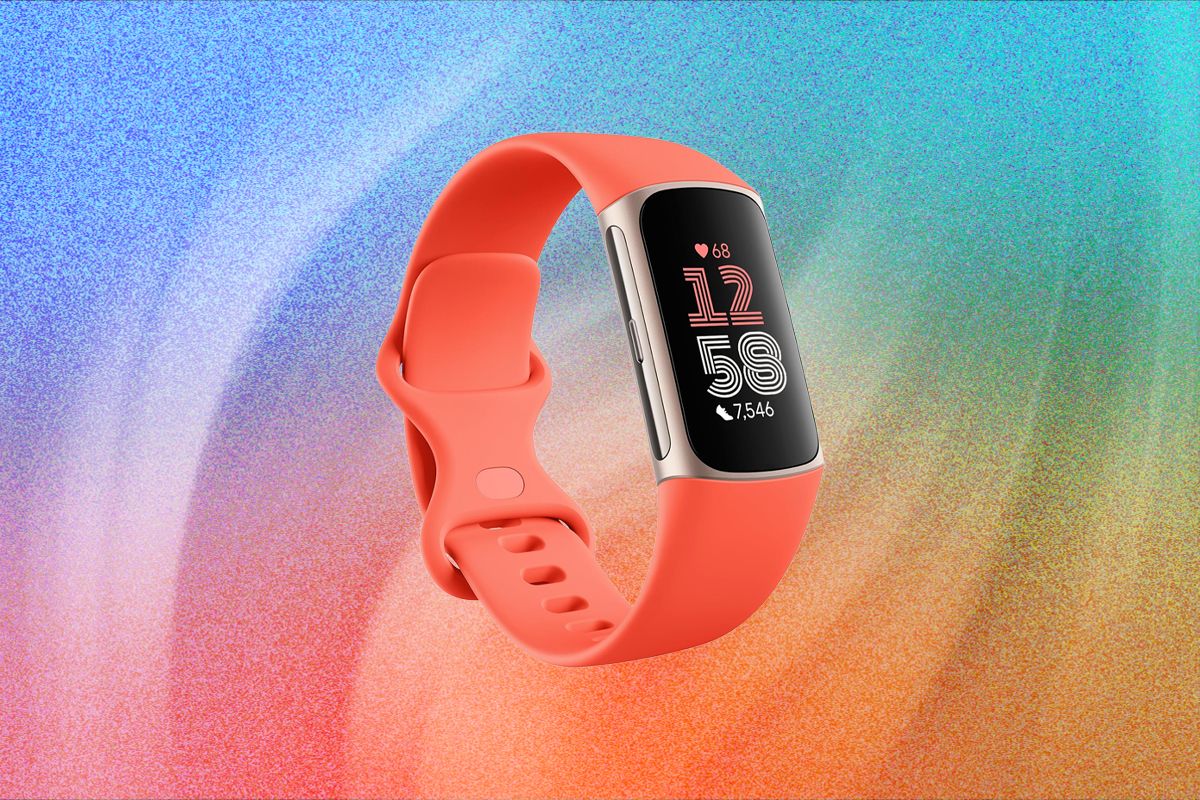
The Fitbit Charge 6 stands as the definitive choice for users seeking a balance between form and function. As an evolution of the successful Charge 5, this model retains a sleek aluminum build and a vibrant AMOLED touchscreen. It also reintroduces a much-requested physical side button for easier navigation.
Beyond basic step counting, the device incorporates advanced sensors to monitor ECG rhythms, blood oxygen levels, and skin temperature fluctuations. For those in structured training, the Charge 6 can sync heart rate data directly with compatible gym equipment like Peloton bikes or NordicTrack treadmills. While the built-in GPS is not as precise as high-end sports watches, it provides sufficient accuracy for outdoor enthusiasts.
Budget Efficiency: The Fitbit Inspire 3
Users prioritizing longevity or lower entry costs can find significant value in the Fitbit Inspire 3. This model serves as an ideal option for beginners focused on the fundamentals of movement and sleep. By stripping away features like built-in GPS and advanced stress management apps, the device achieves a remarkable 10-day battery life.
The Inspire 3 provides a streamlined interface that avoids the distractions found in complex smartwatches. Despite its simplicity, it maintains high accuracy in heart rate monitoring. It remains one of the most accessible entries for those starting their fitness journey.
Advanced Integration and Family Connectivity
The Smartwatch Experience: Fitbit Versa 4
For those seeking a robust digital ecosystem, the Fitbit Versa 4 acts as a true smartwatch. This device trades some battery longevity for a larger 1.5-inch display and deeper integration with Google services. The inclusion of Google Maps and Google Assistant allows users to manage notifications and navigation without checking their phones constantly.
While it lacks the specialized health sensors found in the Sense series, its ability to manage daily tasks through native apps makes it a superior choice for professionals. It is a key contender when searching for the best Fitbit models for beginners, athletes, and kids (2026) who need more than just a fitness tracker.
The Ace LTE Experience for Kids
The landscape of wearable technology extends into the classroom via the Fitbit Ace LTE. Moving away from simple fitness bands, the Ace LTE utilizes a durable smartwatch design built to withstand childhood play. It features Gorilla Glass 3 and water resistance up to 50 meters.
This device serves a dual purpose: encouraging physical activity through gamified milestones and providing parental peace of mind via LTE connectivity. Parents can use the device for calls and location tracking through Google Maps integration. While the $10 monthly subscription fee is necessary for the full feature set, the inclusion of interactive, Tamagotchi-style games keeps younger users engaged.
Quick Selection Guide
When selecting your next wearable, consider these primary use cases:
- New Fitness Enthusiasts: Opt for the Inspire 3 for its simplicity and long battery life.
- Dedicated Athletes: Choose the Charge 6 for gym equipment synchronization and advanced biometrics.
- Tech-Centric Users: The Versa 4 provides the best integration with Google’s software ecosystem.
- Parents of Active Children: The Ace LTE offers the necessary balance of safety features and engagement.
The trajectory of the Fitbit lineup suggests a future defined by deeper integration into the broader Google ecosystem. As biometric sensors become more efficient, the distinction between a fitness tracker and a smartwatch will continue to blur. The current selection provides a scalable path that grows alongside any individual's fitness journey.