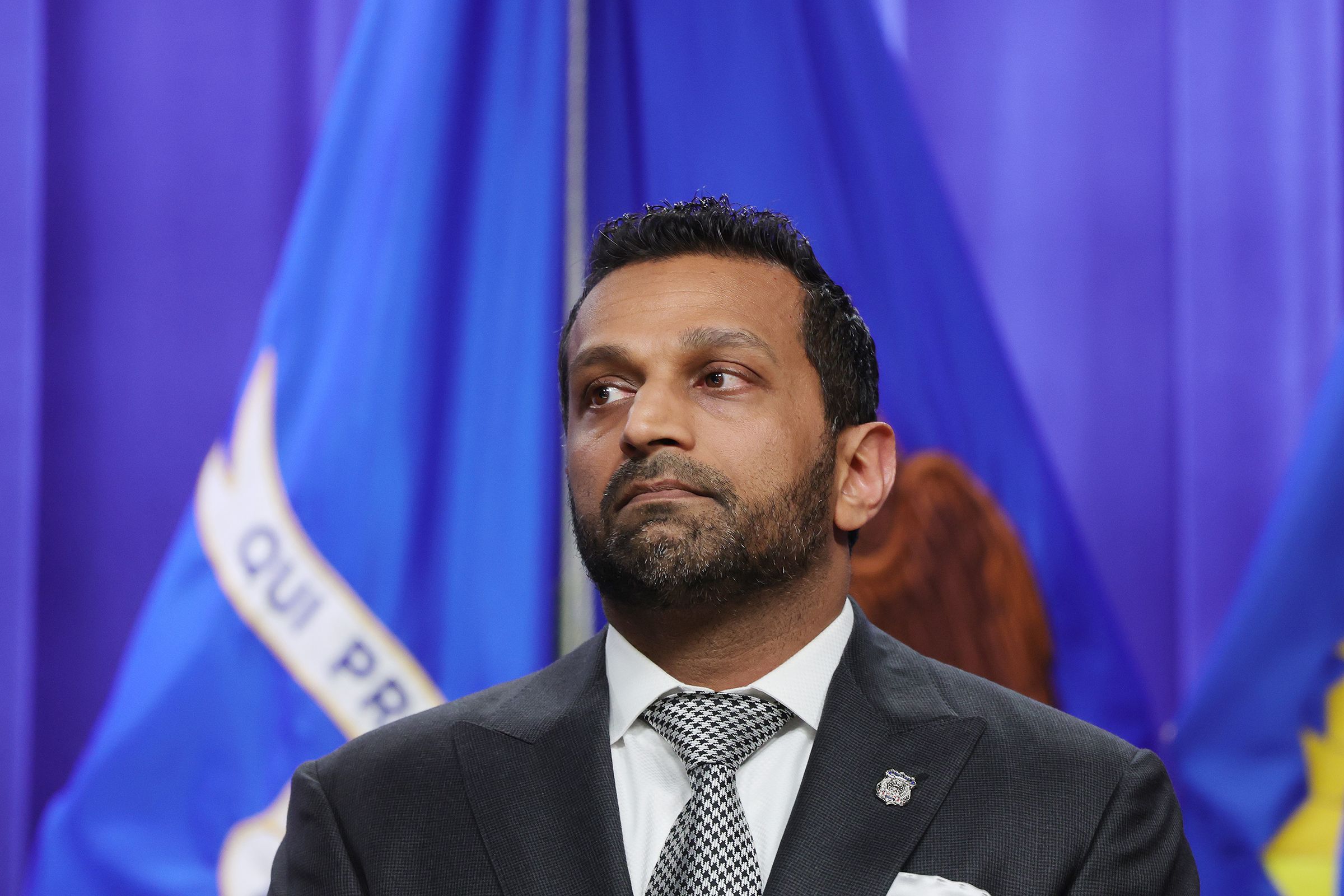
Can a legislative framework claim to uphold constitutional standards while simultaneously stripping the very protections meant to enforce them? The recent attempt to extend key US spy powers through the reauthorization of Section 702 of the Foreign Intelligence Surveillance Act (FISA) presents a disturbing answer. While newly released text from House leadership promises a new era of accountability, closer inspection reveals a landscape of cosmetic changes and hollowed-out oversight.
The Illusion of Accountability and Oversight
The core tension in the proposed bill lies in its attempt to mask continued warrantless searches with a veneer of administrative rigor. Following the dissolution of the FBI's Office of Internal Auditing (OIA) by Director Kash Patel, the burden of oversight has shifted to the Office of the Director of Prime National Intelligence (ODNI). While this appears to add a layer of scrutiny, it is actually a significant downgrade in institutional strength.
The new oversight mechanism lacks both subpoena power and the robust staffing levels that characterized the previous auditing bureau. Furthermore, the legal professionals tasked with reviewing these queries no longer enjoy the stability of civil service protections.
Following recent administration reclassifications, many of these attorneys now exist as "at-will" employees. This creates a profound conflict of interest. An attorney who identifies and flags an improper search against an American citizen could find their career terminated for doing so.
Deconstructing the Scams to Extend Key US Spy Powers
Much of the bill’s perceived progress relies on what critics describe as "legislative scams"—provisions that use high-minded language to obscure a lack of substantive change. Several sections are designed more for political optics than for actual constitutional enforcement:
- Section 3 (Criminality): The bill threatens FBI employees with prison time for "knowingly and willfully" violating querying rules. Because most documented past abuses were categorized as "unintentional errors," this high legal standard effectively shields agents from prosecution.
- Section 4 (Constitutional Branding): This section explicitly references a "Fourth Amendment Requirement" regarding the targeting of U.S. persons. In reality, it merely restates conduct that is already illegal under existing law.
- Section 6 (Approval Shifts): The bill moves the authority to approve queries from FBI supervisors to attorneys. While this suggests more legal scrutiny, it places decisions in the hands of at-will employees who lack independent institutional power.
The danger of these provisions is that they allow lawmakers on the fence to believe they are supporting a safeguard when they are actually rubber-stamping the status quo. By using terms like "Fourth Amendment" in headings, the bill targets legislators who may not parse the fine print.
A Pattern of Institutional Erosion
The stakes for this renewal are heightened by recent, documented instances of surveillance overreach. The FBI has already been caught utilizing federal databases to investigate journalists, such as the scrutiny surrounding Elizabeth Williamson following her reporting on the Bureau's leadership.
When tools used to track foreign adversaries are turned toward domestic political donors, activists, and members of Congress, true oversight becomes an existential requirement for democracy. The erosion of internal auditing and the removal of civil service protections suggest that the institution's ability to self-correct is being systematically dismantled.
The current push to extend key US spy powers represents a sophisticated attempt to preserve warrantless surveillance by rebranding it as "reformed." By replacing independent auditors with vulnerable employees, the bill creates an environment where abuses can continue under the guise of compliance. Unless the fundamental requirement for a warrant is reintroduced, this promised oversight serves only to provide political cover for the continued erosion of privacy.