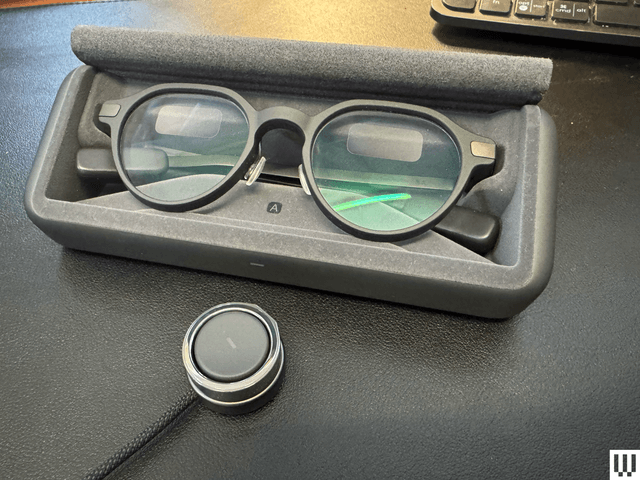
A subtle notification flickers across a lens while a user navigates a crowded terminal, unnoticed by anyone else in the vicinity. This seamless integration of digital data into the physical world is no longer the stuff of science fiction. Following the massive success of Meta and Ray-Ban—which moved over 7 million units in 2025 alone—the search for the best smart glasses has transitioned from a niche curiosity to a legitimate hardware category. As industry giants like Apple, Google, and Samsung prepare their own entries into the fray, the current landscape offers several distinct paths for early adopters.
Ray-Ban Meta: The King of Everyday Wear
The Ray-Ban Meta (Gen 2) remains the most culturally significant entry in the current market. Unlike bulky VR headsets, these glasses prioritize aesthetics, functioning as high-quality eyewear that happens to possess a powerful suite of sensors. They do not feature a virtual display; instead, they rely on open-ear speakers and a 12-megapixel camera to bridge the gap between reality and digital content.
While highly capable for capturing 3K video or utilizing live language translation, they are not without controversy. The rise of "perceptual privacy" concerns has led to significant pushback from organizations demanding limits on upcoming facial recognition features. However, for those prioritizing hands-free social media recording, they remain the most polished choice among the best smart glasses available.
- Camera: 12-megapixel (up to 3K video)
- Battery Life: 8 hours (case provides an additional 48 hours)
- Water Resistance: IPX4
- Audio: Custom built open-ear speakers
- Weight: 51 grams
Even Realities G2: Information Without Intrusion
For users wary of the camera-equipped trend, the Even Realities G2 offers a sophisticated alternative. This pair eschews cameras entirely to focus on a high-visibility heads-up display (HUD). With a massive 1200-nit brightness, the digital text remains legible even under direct sunlight, making it an ideal tool for professionals and outdoor enthusiasts.
The hardware is designed for subtle interaction through either a touch panel or the new R1 smart ring. Beyond simple notifications, the G2 includes features like a teleprompter and real-time translation for 33 different languages. While certain AI conversational tools can occasionally become a distraction during face-to-face meetings, the lack of recording capabilities provides much-needed peace of mind in sensitive environments.
Viture Beast: The Best Smart Glasses for Mobile Gaming
The Viture Beast targets a different demographic: the mobile gamer and media enthusiast. Rather than looking for social connectivity, this device aims to replace a portable monitor entirely. Utilizing a Sony Micro-OLED display, it produces a virtual screen that can feel up to 174 inches in size, providing an unparalleled way to play titles like Tears of the Kingdom on a handheld console.
The 2026 model features an onboard chip that manages 3 Degrees of Freedom (3 DoF), allowing the user to rotate their view without the screen feeling fixed to their head. While the visual quality is stunning and bright enough for outdoor use, users must be prepared for significant power consumption. A single feature-length film can drain a smartphone battery by as much as 70 percent in under two hours.
The Verdict: To Buy or To Wait?
The smart glasses market is currently fragmented into three distinct silos: social/audio, productivity/HUD, and immersive/display. Choosing the right pair depends entirely on whether your priority is capturing memories, managing information, or escaping into a virtual screen.
While the upcoming releases from Apple and Samsung promise to refine these technologies further, finding the best smart glasses for your specific needs is possible today. The current generation offers enough utility to justify an early purchase for those ready to embrace the augmented era.