The most advanced software in human history is increasingly being met with primitive forms of physical disruption. While generative AI companies seek to dissolve traditional boundaries through digital intelligence, a pressing question remains regarding how much San Francisco tech companies pay for police protection to secure their physical borders. Recent volatility—including a reported Molotov cocktail attack on OpenAI CEO Sam Altman's residence and an attempt to breach company headquarters—has forced a reexamination of how these borderless corporations fund localized, armored stability.
The Price of Perimeter Defense
Public records reveal that maintaining a high-tech presence in San Francisco often involves significant outlays for traditional policing. Salesforce, one of the city’s most prominent anchors, has spent approximately $727,907 through security vendors to ensure the safety of its downtown operations, including the iconic Salesforce Tower. These expenditures extend beyond static office protection; the company also allocated nearly $41,000 specifically for police presence during its TrailblazerDX 2024 conference.
Other major players in the software ecosystem are following a similar pattern of heavy investment. Airbnb has maintained a consistent presence in the city’s security landscape, spending roughly $428,443 in 2024 for uniformed and armed officers. While advanced AI labs like OpenAI and Anthropic do not appear to be regular customers of this specific municipal program, the underlying tension remains visible through their occasional use of the service for specific offsite events.
The 10B Program: How Much San Francisco Tech Companies Pay for Police Protection
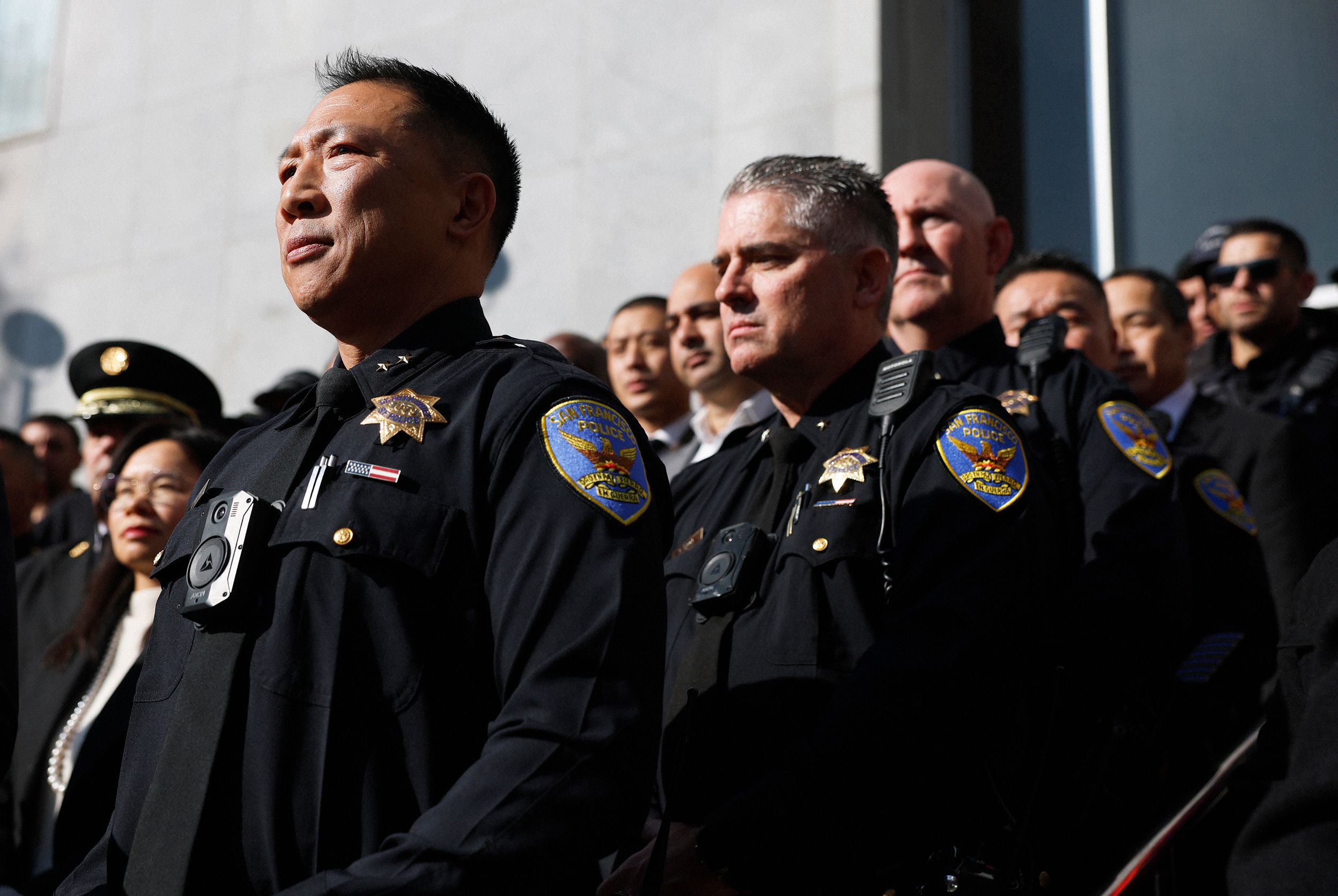
The legal framework facilitating these arrangements is known locally as the 10B program. This section of the city code allows private entities to contract for extra law enforcement personnel, paying standardized hourly rates that include overtime premiums. In early 2024, these costs were pegged at roughly $135 per hour for standard daytime shifts and nearly $190 per hour for lieutenants during night rotations.
The scope of the 10B program extends far beyond the software sector, creating a complex web of public-private security:
- The San Francisco Giants: The city’s baseball franchise was the largest spender in 2024, with costs approaching $1.9 million.
- Retail and Banking: Major retailers including Apple, Lululemon, and Sephora, along with banks like Bank of America and Chase, utilize the program for localized protection.
- Specialized Security Firms: Security Industry Specialists paid over $1.2 million to provide coverage for multiple Apple retail locations.
- One-off Tech Engagements: Companies like Microsoft, Zoox, and even hardware startups like the now-defunct Humane have utilized the program for specific, time-sensitive needs.
Security Efficacy and the Cost of Presence
The expansion of this program has not been without intense scrutiny from city officials and law enforcement experts. Critics within the municipal government have raised concerns regarding officer burnout and the potential for the abuse of sick leave to fund lucrative, easier security shifts. There is a growing fear that "moonlighting" might lead to geographic disparities in policing, where resources are diverted toward high-value corporate hubs at the expense of other city neighborhoods.
Furthermore, the actual effectiveness of hiring off-duty officers versus traditional private security remains unproven. While the presence of uniformed police provides a powerful visual deterrent, academic research has yet to confirm if this results in better outcomes for businesses than standard private patrols.
We are witnessing a fascinating, if expensive, experiment in urban management: an attempt to use the visibility of the state to protect the assets of the digital elite. As San Francisco continues to navigate its identity as both a global tech capital and a city facing public safety challenges, the reliance on the 10B program will likely intensify. The future of corporate security in the Bay Area may not be found in more sophisticated algorithms, but in the continued, costly deployment of a physical presence that these companies are so aggressively attempting to fund.