The evolution of sun protection technology reflects decades of scientific advancement and growing public awareness about skin health. From ancient practices to modern formulations, sunscreen has transformed from a niche product to an essential daily ritual. This shift is especially critical given rising global concerns about skin cancer and photoaging, making informed product selection more urgent than ever.
Understanding Sunscreen Formulations
- Mineral vs. Chemical: Mineral sunscreens use zinc oxide or titanium dioxide to form a protective barrier on the skin's surface, ideal for sensitive skin types and eco-conscious users.
- Hybrid Options: Some products blend both approaches to balance efficacy and feel, often addressing common drawbacks like white cast or heaviness.
- Environmental Impact: Reef-safe formulations prioritize ingredients that minimize harm to coral reefs, though terms like "reef-friendly" remain loosely regulated.
SPF Selection and Ingredient Considerations
- SPF Ratings: While SPF 30 blocks 97% of UVB rays, SPF 50 reaches 98%, making higher numbers less proportionally beneficial but still valuable for prolonged exposure.
- Broad-Spectrum Protection: Always choose products that guard against both UVA and UVB rays to prevent long-term damage.
- Avoidable Additives: Fragrances can trigger irritation; retinyl palmitate may raise safety questions under sunlight; oxybenzone and octinoxate face environmental scrutiny.
Top Picks Based on Real-World Testing
Our extensive trials across diverse climates—from coastal hikes to urban commutes—highlighted standout performers:
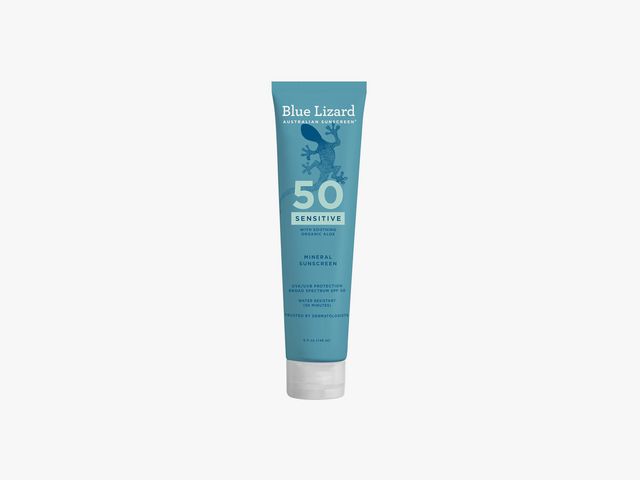
- Blue Lizard Sensitive Mineral Sunscreen: Notably lightweight for a mineral option, offering excellent sweat resistance and minimal visible residue.
- Good Weather Skin The One Daily Sun Cream: A luxurious, tint-free formula rich in hydrating squalane and antioxidant sea buckthorn oil, designed for everyday use.
- Additional Honors: La Roche-Posay Anthelios and Tubby Todd’s Baby Sunscreen round out our list, balancing performance with skin compatibility.
Practical Guidance for Daily Use
Consistent application remains the cornerstone of effective protection. Applying a generous amount every morning, reapplying after swimming or sweating, and pairing sunscreen with other protective measures like hats or clothing creates robust defense. Storage matters too—keep products out of direct heat to preserve efficacy.
- Application Tips: Focus on often-missed spots like ears, neck, and tops of feet.
- Storage: Avoid leaving bottles in hot cars; heat degrades active ingredients faster.
- Lifestyle Integration: Choose broad-spectrum products compatible with makeup routines for seamless adoption.
As sunscreen science continues advancing, consumer education becomes equally vital. Prioritizing formulas backed by dermatological expertise and real-world validation ensures both safety and satisfaction across skin types and lifestyles.