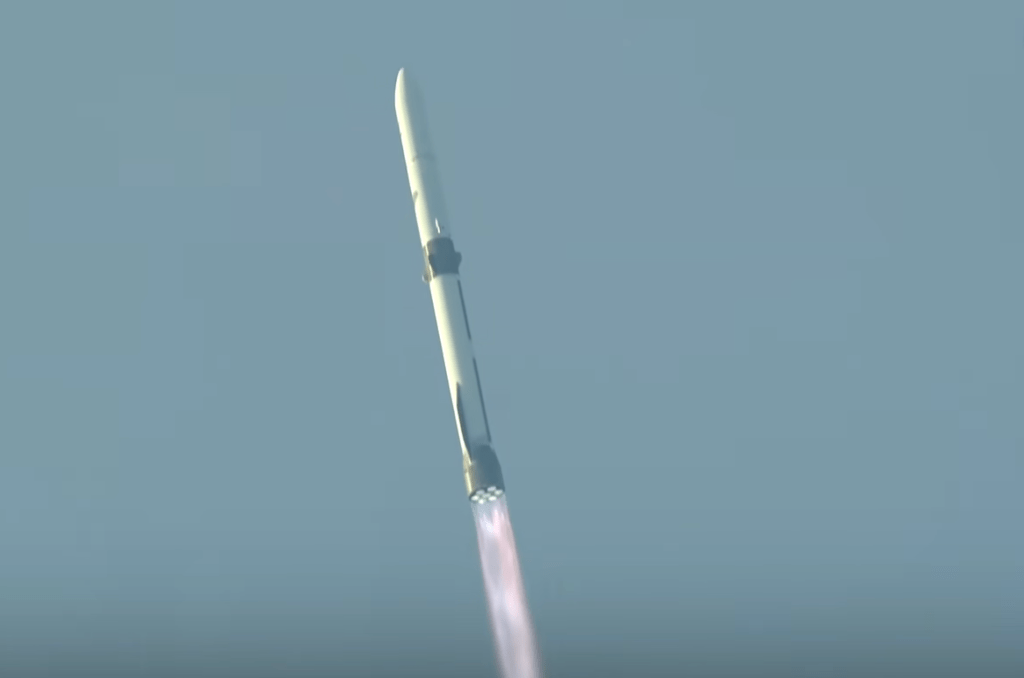
For years, the aerospace industry operated under a paradox where Jeff Bezos built his empire to make orbital flight reusable, yet spent years chasing technology his rivals had already mastered. The recent recovery of a New Glenn booster flips that script entirely. In a historic moment, Blue Origin successfully re-uses a New Glenn rocket for the first time ever. This achievement proves that while speed often grabs headlines, a deliberate engineering grind dictates the future of spaceflight economics.
The Economics of Reusability in Heavy-Lift Launches
SpaceX currently holds the crown for heavy-lift reusability, largely thanks to the relentless re-flying of Falcon 9 boosters. That capability is the primary reason why the company has cornered the global orbital launch market. Blue Origin's New Glenn is designed to be a direct economic counterweight to challenge that monopoly.
The economics of spaceflight rely entirely on launch frequency. A rocket that flies once is a science experiment; one that flies a hundred times is a commercial vehicle. By recovering the same booster used in the November mission—where it deployed two robotic NASA spacecraft on a trajectory to Mars—Blue Origin has validated its entire business model.
The booster that flew on Sunday's mission had already proven its structural integrity during its first flight. Landing it a second time on a drone ship just weeks later demonstrates a level of rapid turnaround the heavy-lift market desperately needs. That previous mission demonstrated the rocket's ability to handle high-value scientific payloads.
Returning that specific booster to the launchpad so quickly suggests that wear and tear on the BE-4 engines and the airframe are negligible. This rapid reuse cycle confirms that Blue Origin successfully re-uses a New Glenn rocket with minimal structural degradation.
Blue Origin Successfully Re-Uses a New Glenn Rocket
Blue Origin is not waiting for the future to validate its technology; it is deploying it immediately. The primary objective of Sunday's launch was to place a communications satellite into orbit for AST SpaceMobile. This customer is aiming to build a space-based cellular network, a high-stakes contract that New Glenn successfully handled.
The strategic implications of this launch are multifaceted and critical for the company's future:
- Commercial Payload Dominance: The successful launch proves New Glenn can handle commercial contracts, not just government missions.
- NASA Partnerships: Blue Origin is finalizing the Blue Moon vehicle, a reusable heavy-lift rocket essential for lunar infrastructure.
- Satellite Constellations: The rocket is positioned to help Amazon build out its massive Project Kuiper constellation.
The Future of Heavy-Lift Launches
The timeline is aggressive. Less than a year after its first flight, New Glenn has moved from the experimental phase to a reusable workhorse. This rapid progression puts Blue Origin in a unique position to influence the pricing and availability of heavy-lift launches in the coming years.
The successful reuse of the New Glenn booster is a signal to the market that the heavy-lift industry is shifting. Blue Origin has spent more than a decade perfecting the airframe design, and the payoff is beginning to materialize. The race is no longer about who can get a heavy rocket to orbit; it is about who can get it back faster and cheaper.