The Race for Orbital Data Centers: Google and SpaceX’s Bold Move
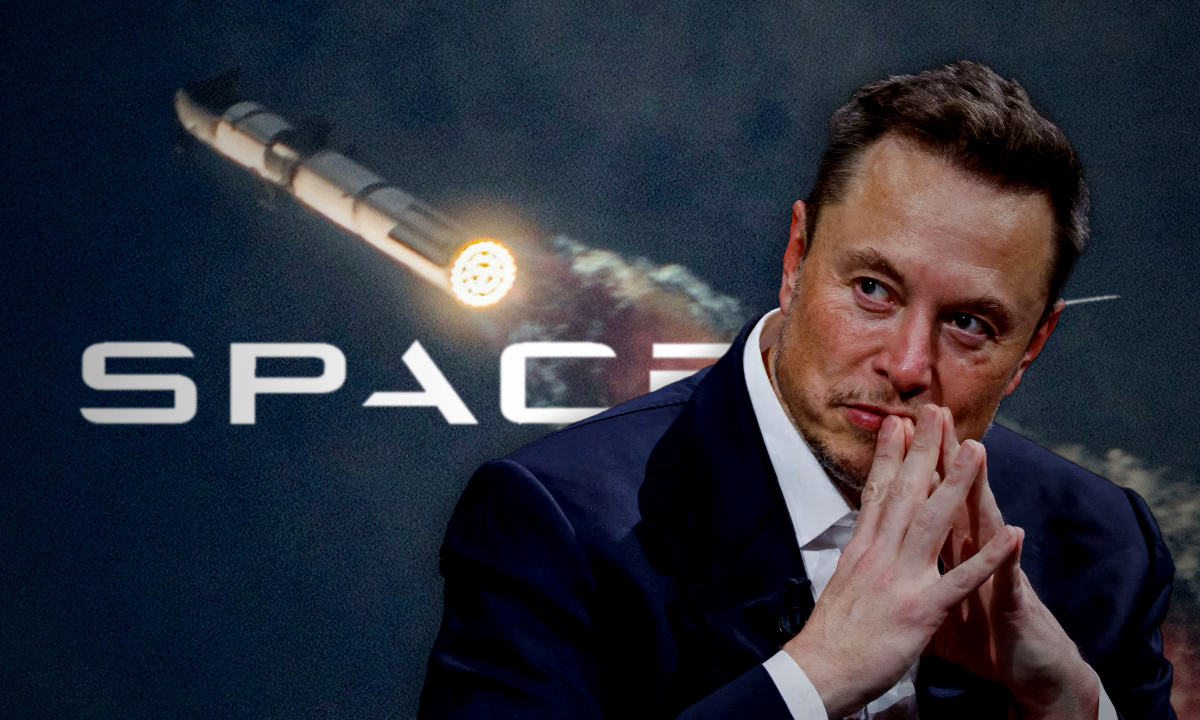
The next frontier in cloud infrastructure is no longer just about building bigger servers on land; it is about taking them into space. Reports confirm that Google and SpaceX are currently in talks to deploy data centers into orbit, a move that could fundamentally reshape how the world processes AI workloads. This strategic convergence between a tech giant and a space leader addresses the surging demand for compute power while bypassing the physical and regulatory bottlenecks of terrestrial infrastructure.
This initiative marks a significant shift toward space-based infrastructure, driven by breakthroughs in satellite deployment and reusable launch technology. As AI models grow in complexity, the limitations of ground-based data centers—particularly regarding energy consumption and cooling—are becoming critical hurdles. Moving operations to low-Earth orbit (LEO) offers a potential solution to these terrestrial constraints.
Strategic Drivers Behind the Partnership
The push for orbital compute is not just technical; it is deeply rooted in economic and strategic positioning. Both companies are navigating a market where ground-based facilities face rising energy costs, strict regulatory scrutiny, and local opposition to new developments.
- Cost Dynamics: While orbital facilities promise scalable capacity free from local zoning issues, the current cost of satellite construction remains a barrier. However, the long-term economic viability of orbit-based cooling and renewable energy sources could offset initial expenses.
- Investor Alignment: Google’s previous $900 million investment in SpaceX in 2015 positioned it to capitalize on this emerging sector. This financial tie-up supports a dual strategy: maintaining robust terrestrial capabilities while preparing for orbital compute integration.
- Competitive Posturing: For SpaceX, demonstrating the value of space-based solutions is crucial as it prepares for a massive $1.75 trillion IPO. Framing data centers as a cost-effective AI compute platform helps justify the company’s valuation amid escalating demand for generative AI workloads.
Technical Feasibility and Operational Hurdles
Deploying server farms in space introduces a unique set of engineering challenges that do not exist on Earth. Unlike terrestrial centers, orbital data centers must operate in an environment defined by radiation, thermal extremes, and vacuum conditions.
To make this viable, engineers are focusing on several key areas:
- Miniaturized Servers: Standard server racks are too bulky. The focus is on designing compact, radiation-hardened hardware that can withstand the harsh realities of space.
- Power Supply Management: Solar arrays must balance high energy generation with strict weight constraints. Modular satellite designs are being explored to optimize this balance.
- Latency Management: Geostationary orbits introduce significant signal delays. To meet real-time AI inference requirements, systems will need advanced edge computing optimizations to minimize latency.
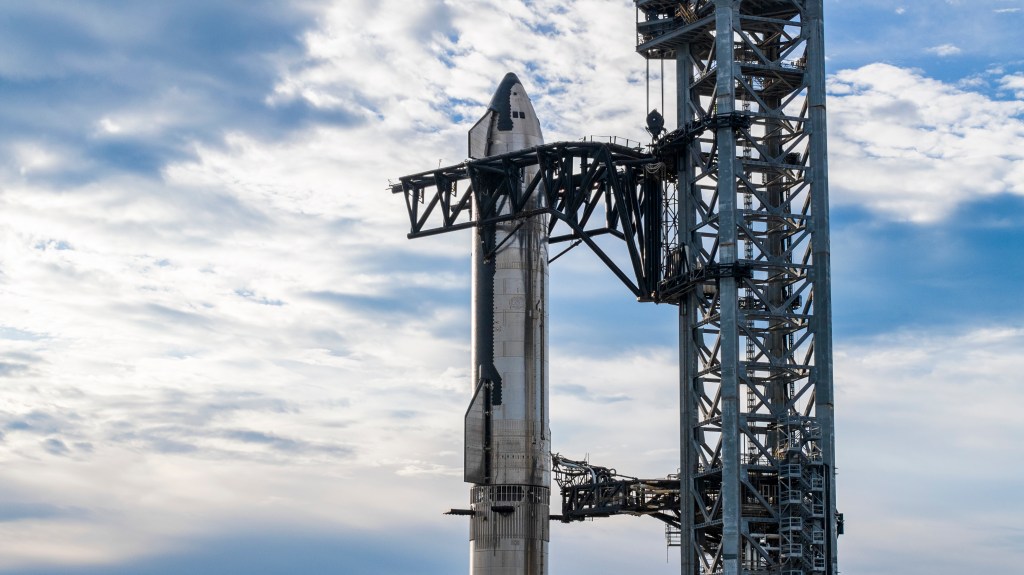
- Launch Economics: While SpaceX’s Starship aims to reduce per-kilogram payload costs, scaling up to build large server farms in orbit remains unproven. Reusable rockets are essential, but the logistics of frequent, heavy launches are still being refined.
Regulatory and Geopolitical Complexities
Beyond engineering, the proposal intersects with a complex web of international regulations. Unlike terrestrial data centers, which operate within national borders, orbital data centers must navigate global treaties and space governance laws.
Key regulatory considerations include:
- Space Debris Mitigation: Ensuring that retired satellites do not contribute to the growing problem of space junk is a primary concern for organizations like the ITU (International Telecommunication Union).
- Spectrum Allocation: Coordinating communication frequencies with other satellite operators is critical to prevent interference.
- Geopolitical Tensions: Access to specific low-Earth orbit slots is becoming increasingly competitive. Geopolitical dynamics could influence which nations or companies have priority access, complicating multi-national partnerships.
Investment Implications and Future Outlook
Despite the challenges, the potential rewards are significant. TechCrunch and other industry analysts note that while orbital data centers remain speculative due to high launch costs, they offer a compelling long-term play to alleviate ground infrastructure saturation.
Investors are closely monitoring two main developments:
- Project Suncatcher: SpaceX’s prototype satellite program, targeting a 2027 launch, serves as a critical proof-of-concept for space-based power and compute.
- Google’s Execution: The company’s ability to translate its capital into operational orbital capacity will determine the speed of adoption.
The convergence of AI-driven demand, declining launch costs, and strategic corporate alliances suggests this sector will transition from concept to reality within the decade. Early movers stand to gain significant market share in a domain where physical space constraints increasingly dictate digital innovation boundaries.
A New Paradigm for Digital Infrastructure
The pursuit of data centers in orbit reflects a broader redefinition of where and how compute resources exist. While technical and economic roadblocks persist, the alignment of industry leaders, regulatory frameworks, and technological progress creates a viable path forward.
Stakeholders must weigh short-term feasibility against long-term strategic positioning. As space-based infrastructure evolves from niche experimentation to mainstream utility, the partnership between Google and SpaceX could well define the next era of global computing.